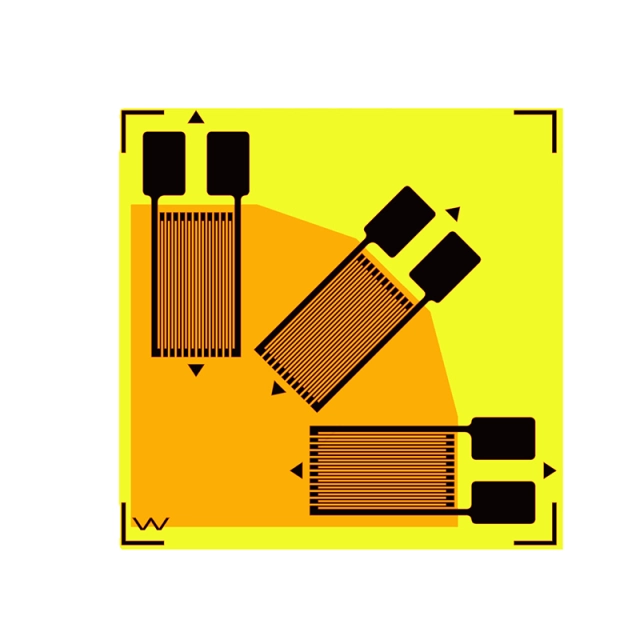

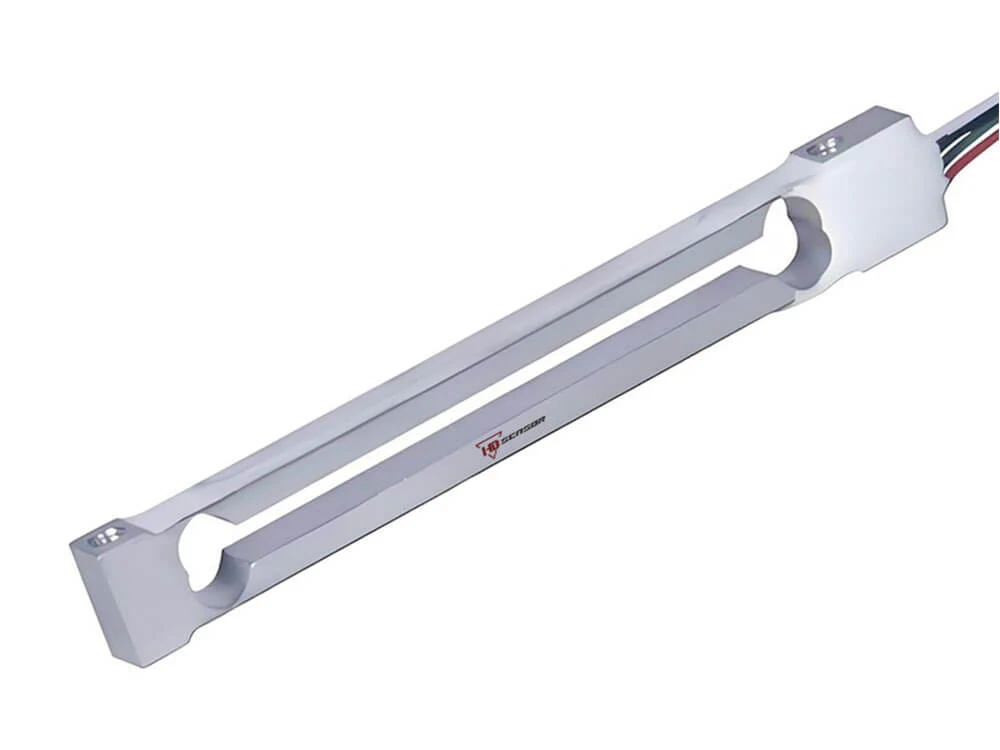
Low capacity load cells are widely used in precision weighing and force measurement applications, including laboratory instruments, medical devices, automation equipment, robotics, and industrial testing systems. Choosing the right load cell is essential for achieving reliable and accurate measurement results.
As a professional low capacity load cell manufacturer, we offer a wide range of standard products, including single-point, beam, S-type and miniature load cells. We also provide OEM and custom solutions tailored to your required capacity, dimensions, mounting configuration, output signal, and application environment.
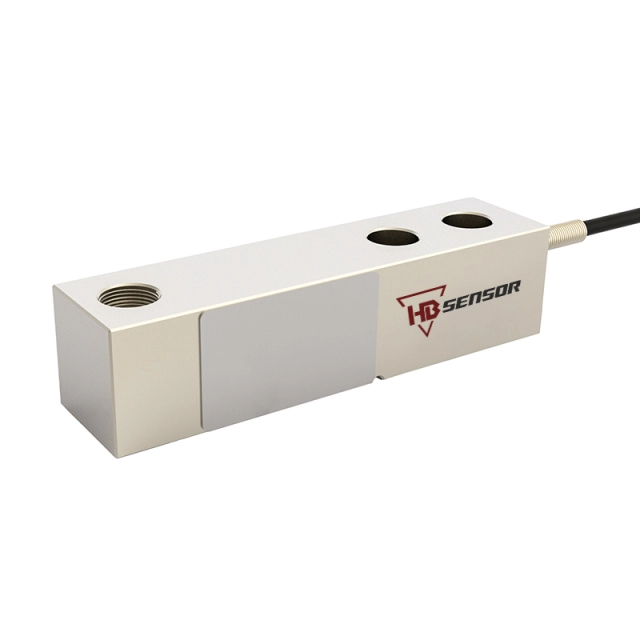
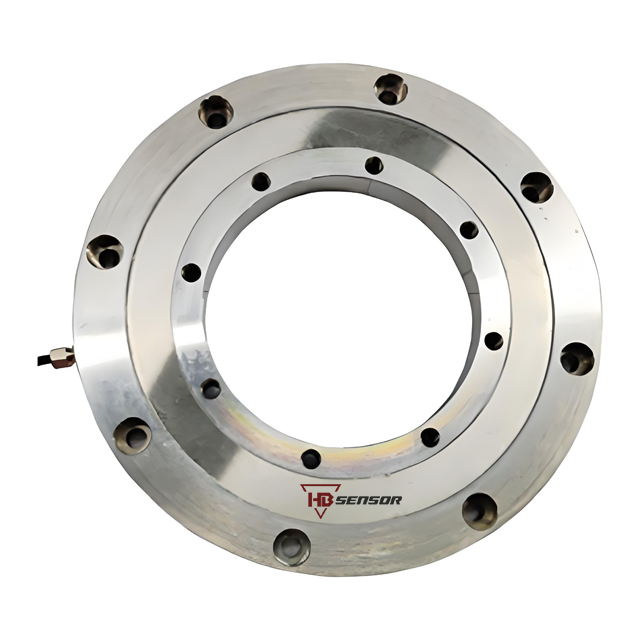
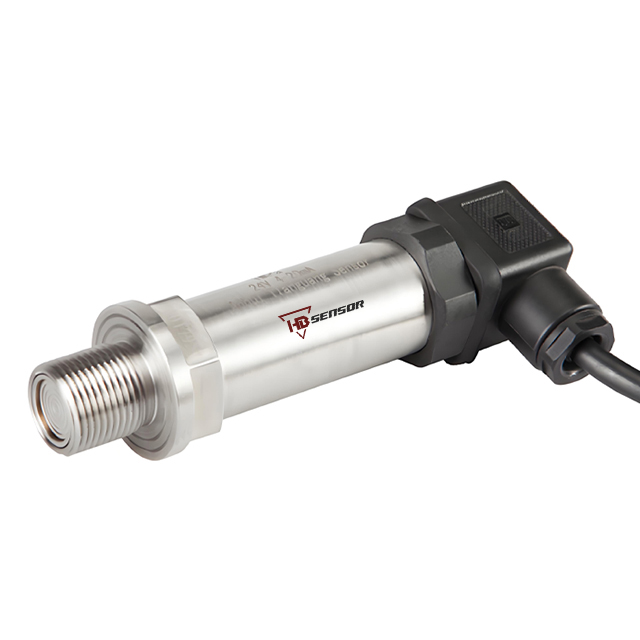
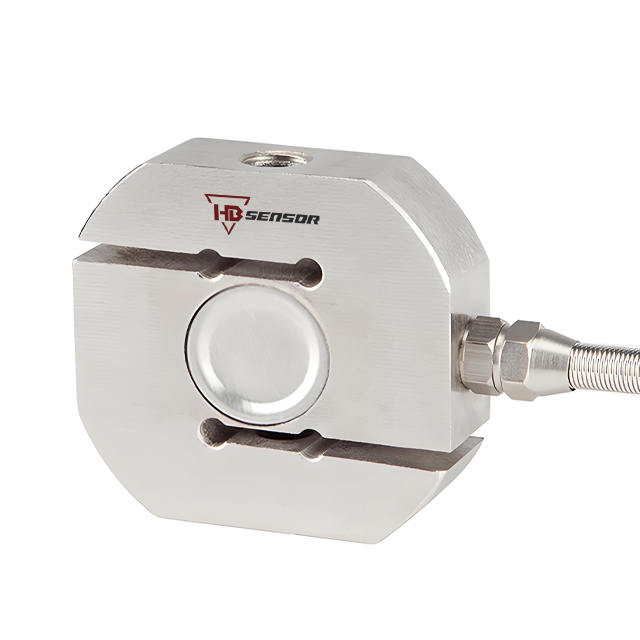
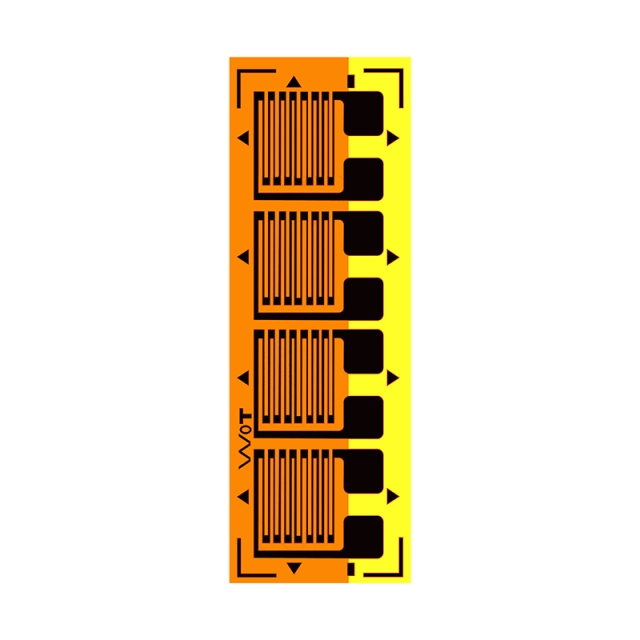
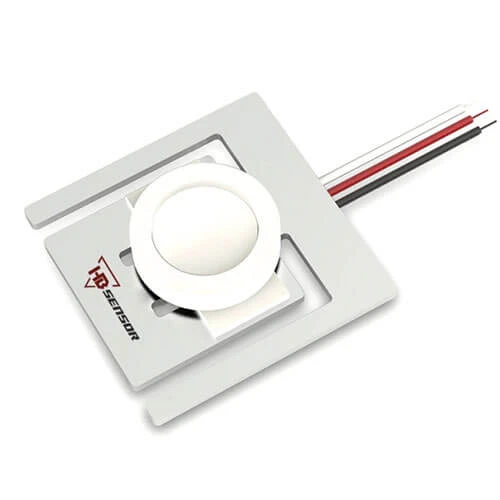
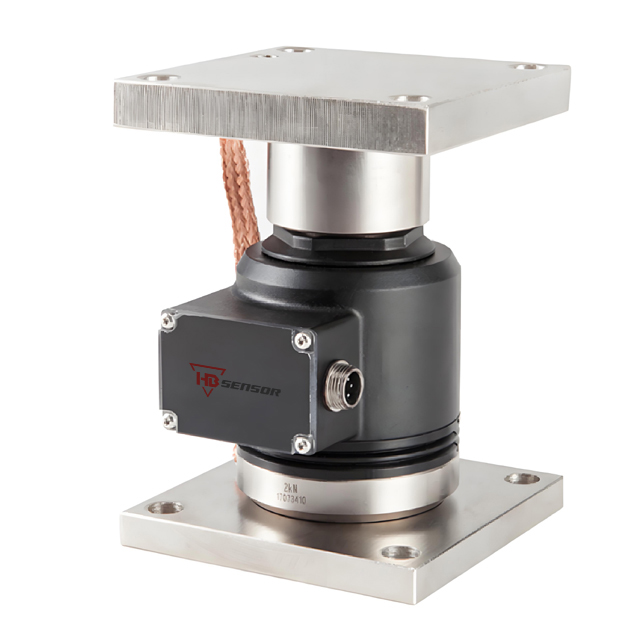
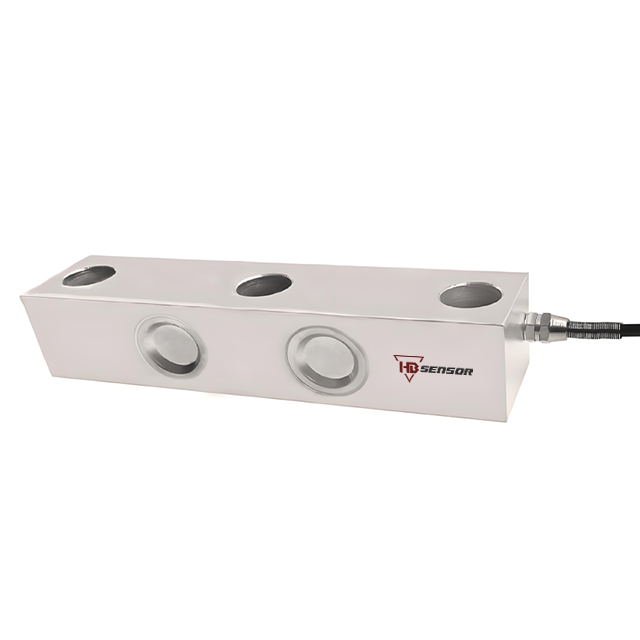
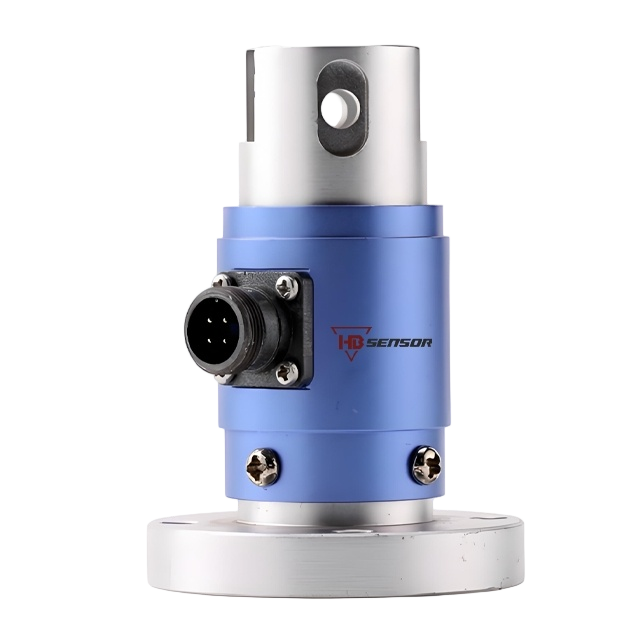
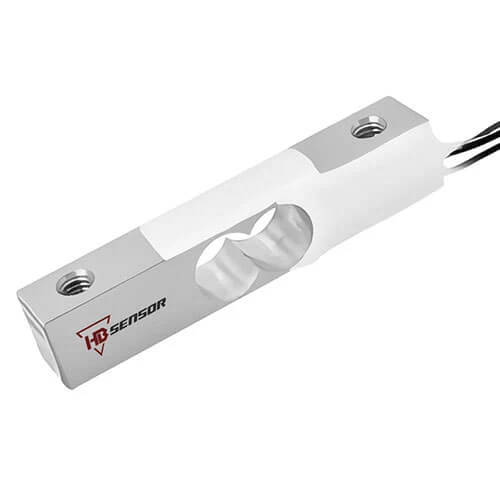
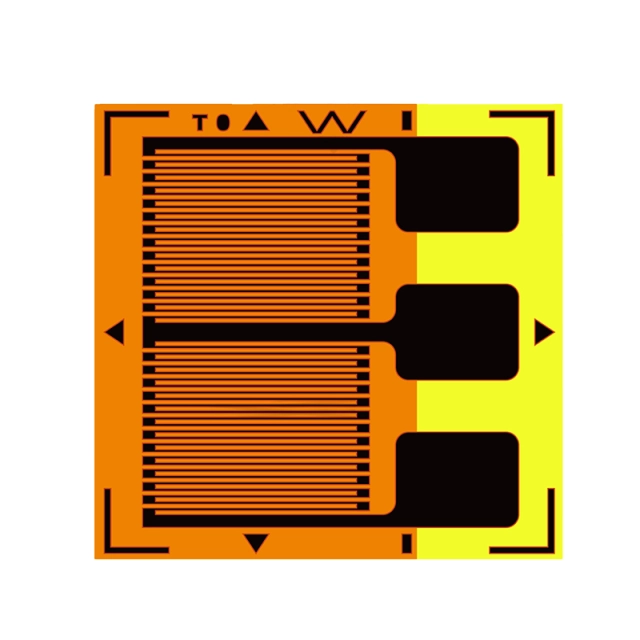
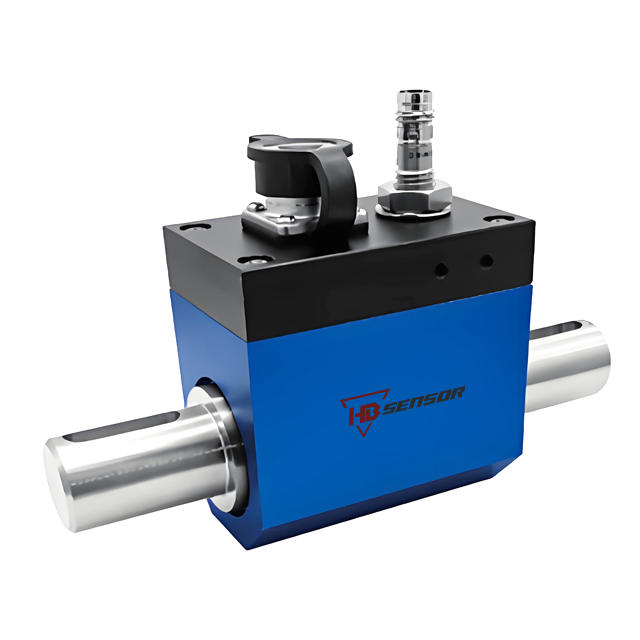
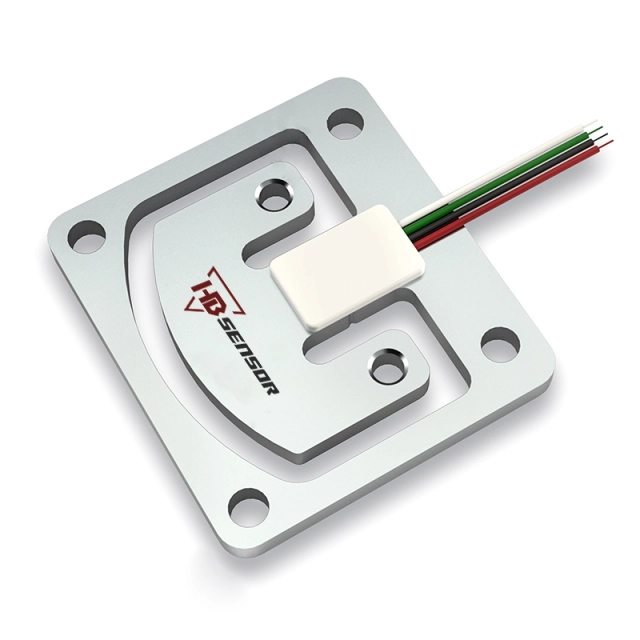
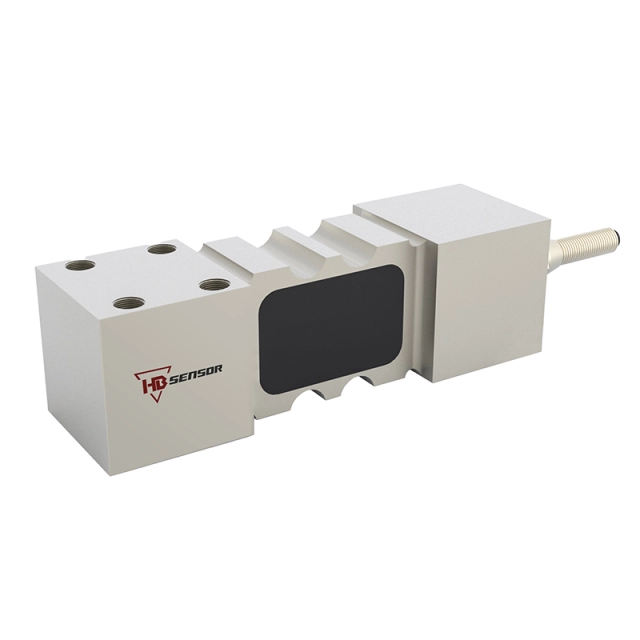
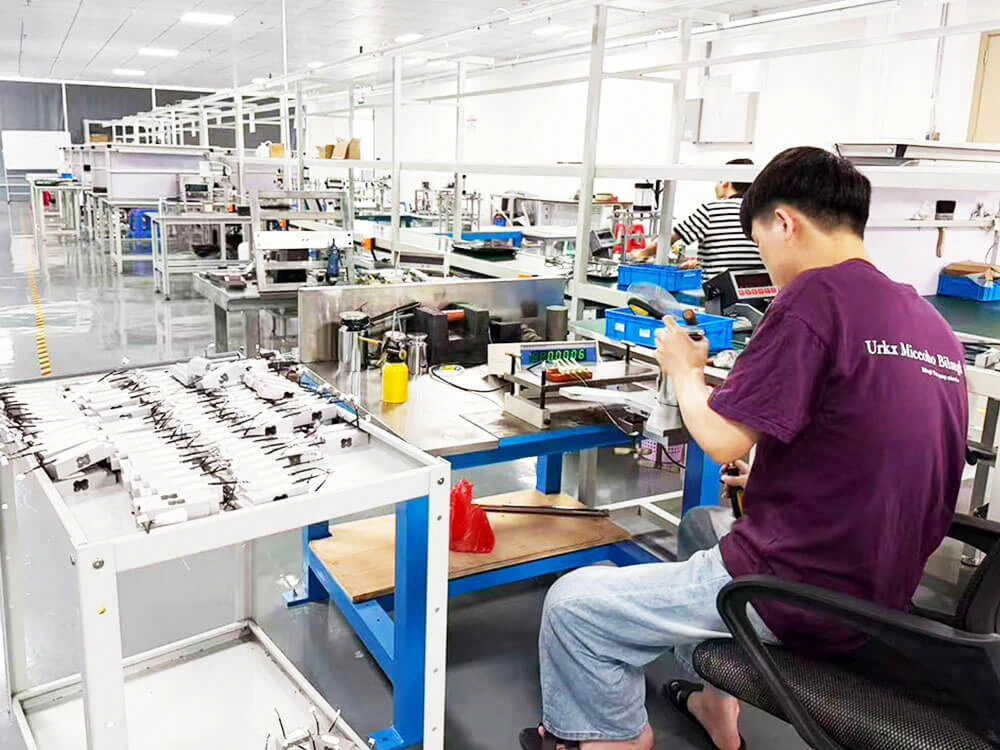
From raw material selection and precision machining to performance testing and final packaging, we apply rigorous quality control standards at every stage of production. This ensures that every low capacity load cell we deliver offers reliable accuracy and long-term stability.
Curious about how a low capacity load cell is made—from raw material to finished product? Watch our factory walkthrough video and see firsthand the quality control process at every stage of production.
Strictly speaking, there is no universally accepted industry standard that clearly defines what a low capacity load cell is. The definition of “low capacity” can vary depending on the industry, application, and manufacturer. Therefore, “low capacity” is essentially a relative term that generally refers to sensors designed to measure relatively small forces or weights with high accuracy. Based on common industry classifications, load cells can generally be divided into three categories—low, medium, and high capacity—to provide a clearer understanding of the range typically considered as low capacity.
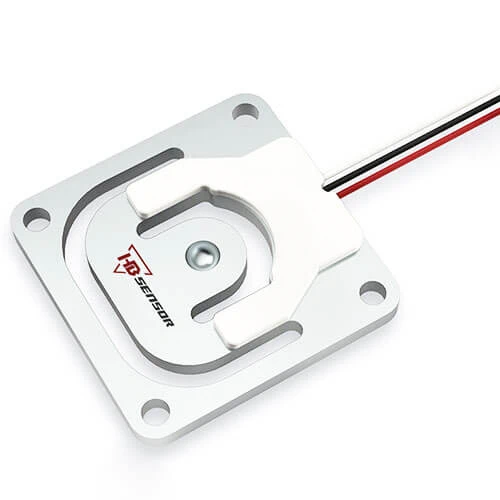
These load cells are primarily used in applications that require precise detection of small changes in force or weight. Typical examples include monitoring subtle changes in medication weight in injection devices to ensure accurate dosing; detecting slight pressure or deformation in smart wearables to monitor body movements and analyze sleep quality; and measuring tensile forces on flexible materials such as films and rubber in material testing machines.
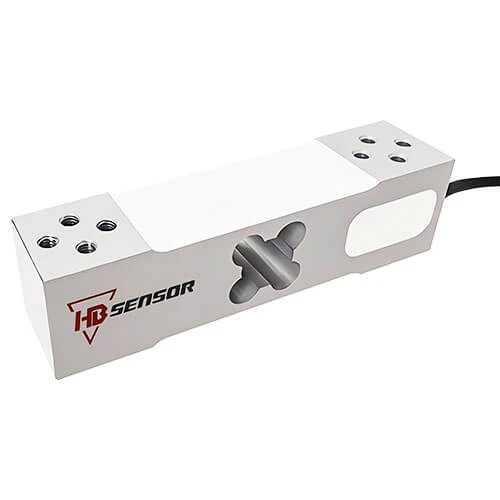
These load cells are commonly used in small and medium-sized industrial weighing and force measurement applications, such as platform scales and pallet scales for rapid weighing in warehouses and workshops; belt scales and conveyor scales installed beneath conveyor systems for continuous in-line weighing of bulk materials; and batching scales used in the food and chemical industries for accurately weighing multiple ingredients according to specified formulas. Due to their versatility, medium capacity load cells are widely used across many industries.
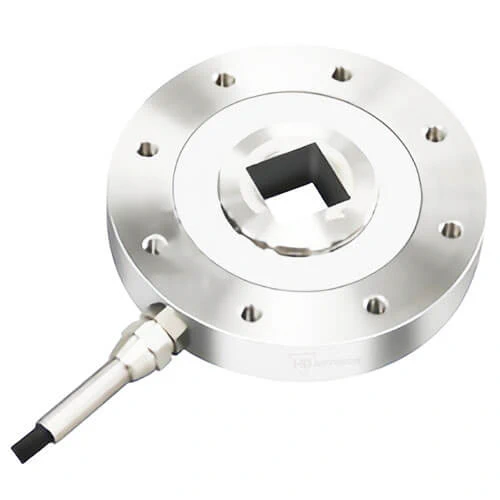
These load cells are primarily designed for heavy-duty weighing and large-scale industrial applications, including truck scales, large silo weighing systems, rail scales, crane load monitoring, heavy-duty testing machines, and port cargo weighing systems.
Low capacity load cell typically refer to weighing sensors with a capacity range from a few grams up to 50 kilograms. With their ability to accurately sense weak signals, they convert subtle changes in force or weight into analyzable, controllable data. As a result, they are widely used in a variety of high-precision weighing and force measurement applications, including medical devices, laboratory testing, precision manufacturing, automation equipment, pharmaceutical manufacturing, aerospace, robotics, and agricultural automated feeding systems.
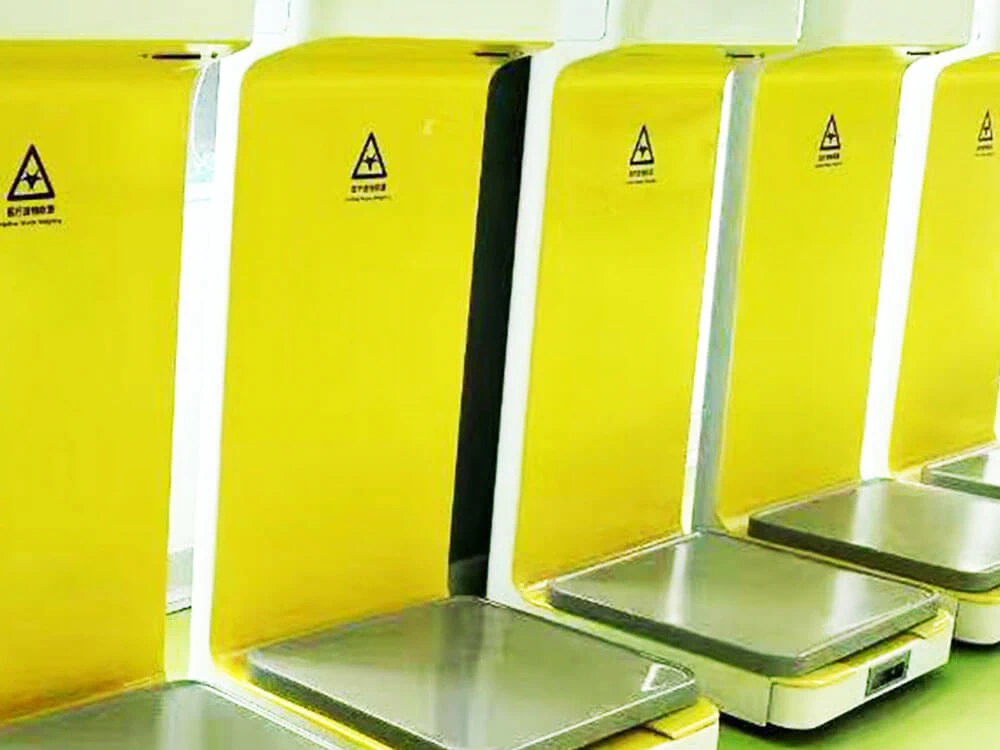
500g, 1kg, and 5kg load cells are commonly used in syringe pumps, infusion monitoring devices, and precision drug delivery systems. The 500g variant is particularly well-suited for ultra-precision micro-control applications such as infant infusion pumps.
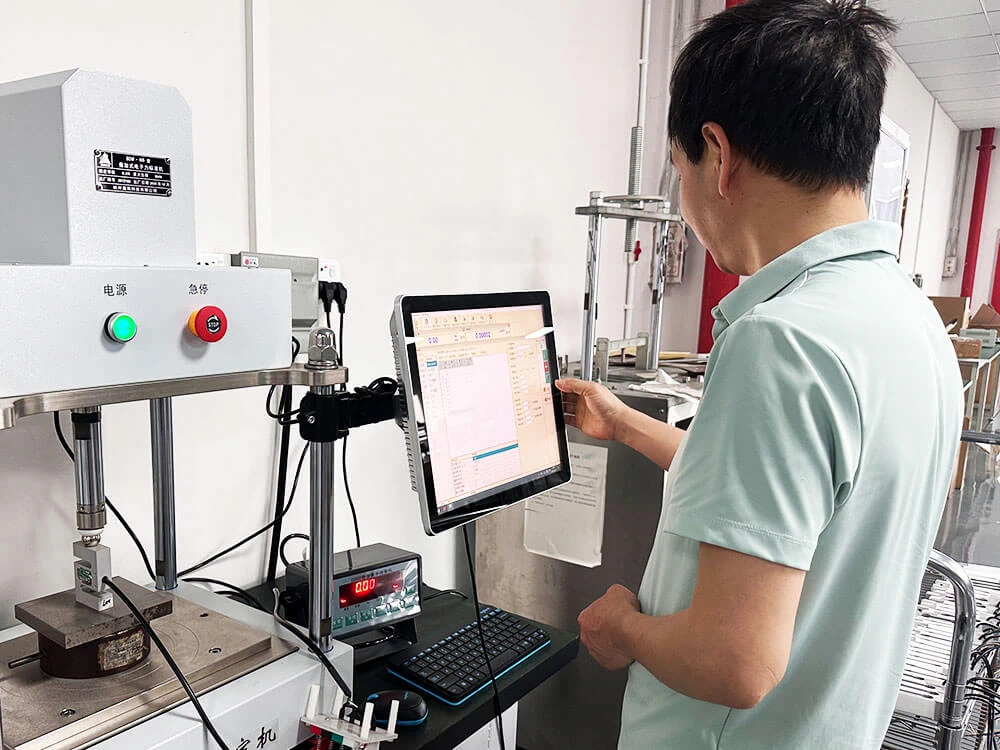
5kg and 10kg load cells are widely applied in laboratory balances, materials testing machines, and precision measurement instruments, where high resolution and data stability are critical.
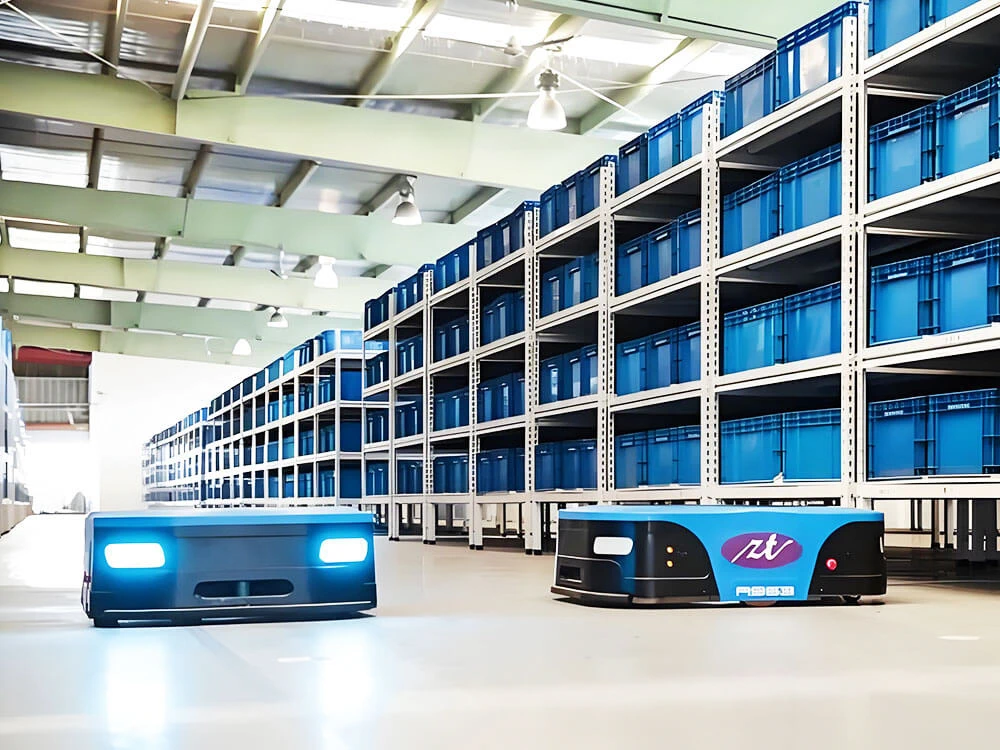
10kg and 20kg load cells are frequently used in electronic component insertion/withdrawal force testing, automated assembly, and small-scale mechanical testing systems.
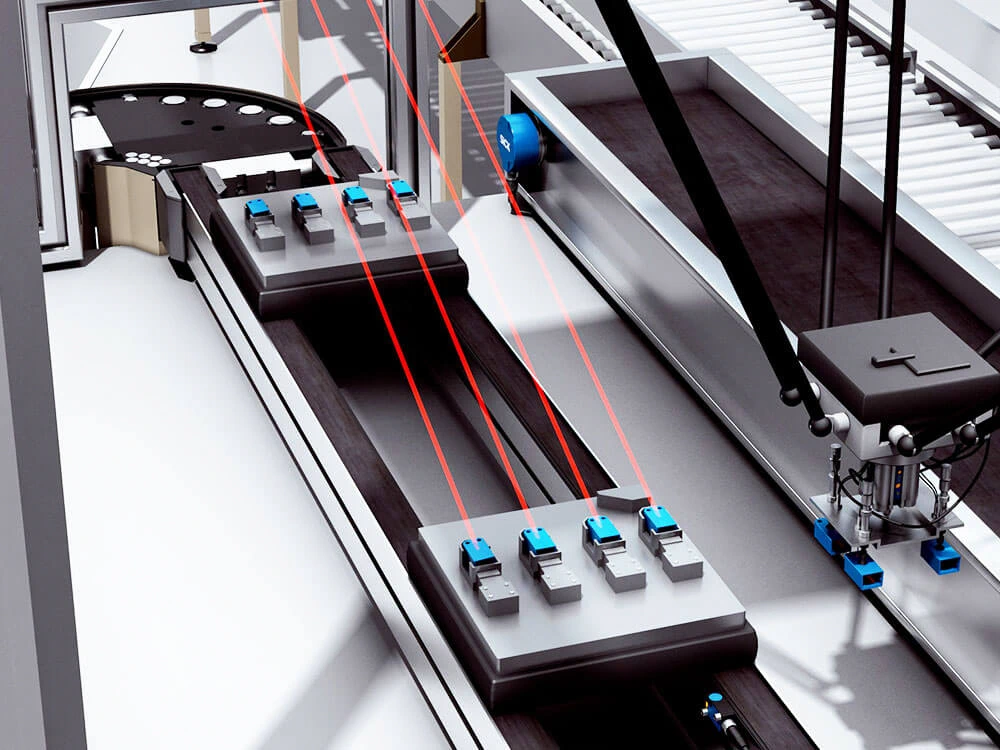
20kg and 50kg load cells are typically used in automatic packaging equipment, checkweighers, and in-line weighing systems.
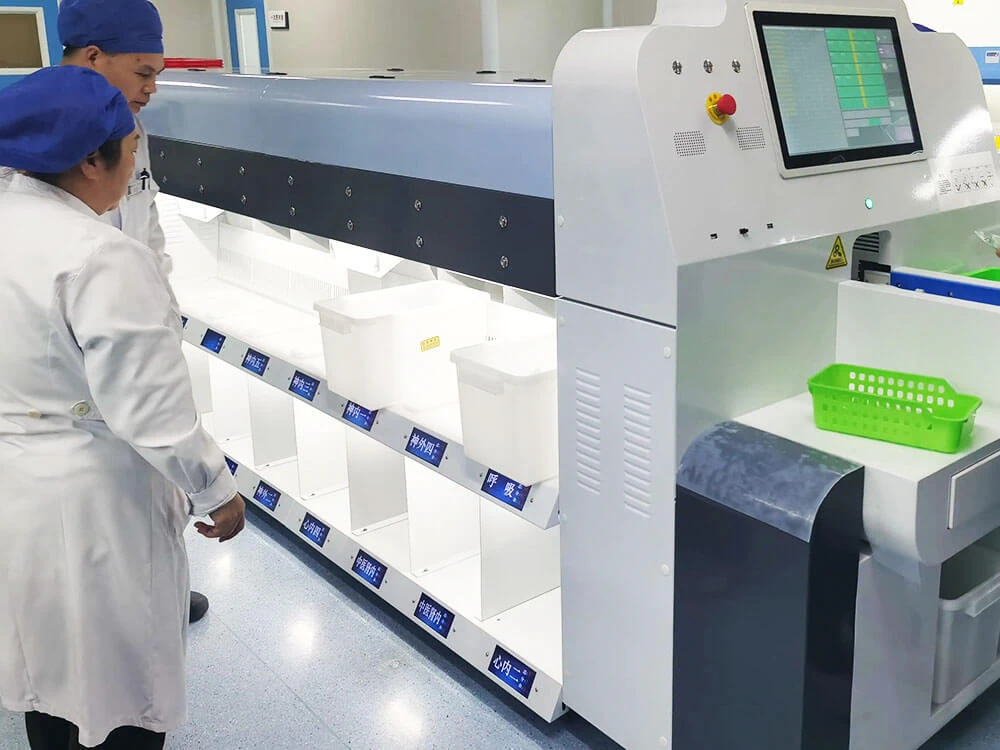
5kg and 10kg load cells are commonly used in tablet hardness testing, batching systems, and precision filling equipment, where repeatability and long-term stability are strictly required.
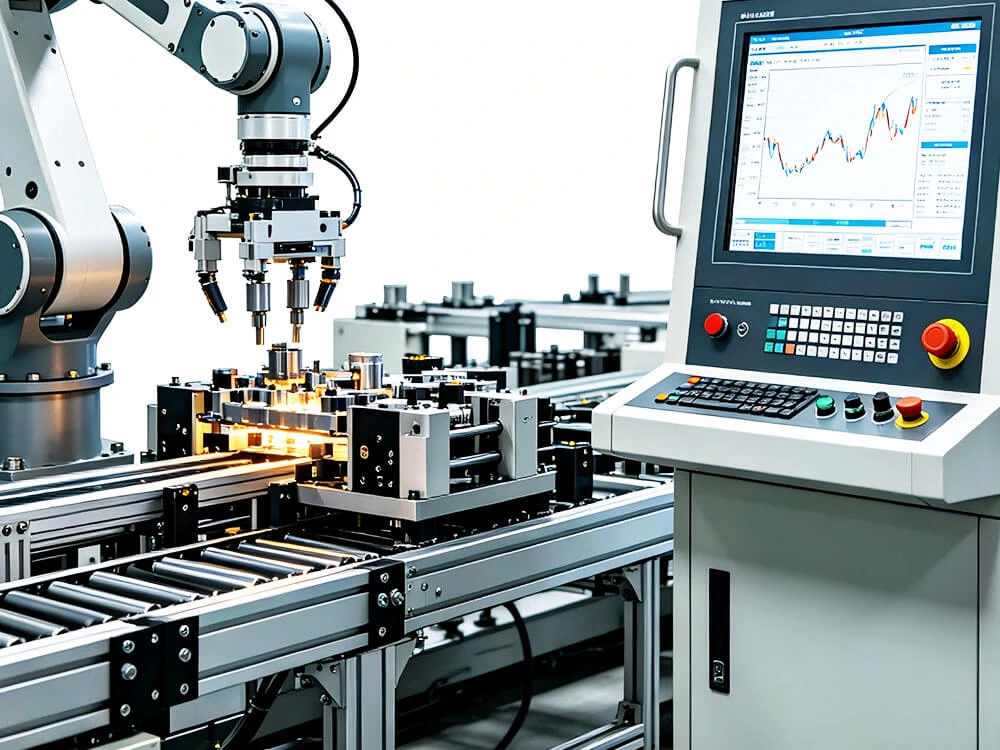
1kg, 5kg, and 10kg load cells are often used in wind tunnel testing, model vibration testing, and micro-aerodynamic force measurement, where miniaturization, lightweight design, and high precision are essential.

Micro load cells with capacities ranging from 10g to 250g are at the core of applications such as surgical robots and precision grippers. Their compact form factor enables high-resolution force feedback, meeting the demands of precision force control in space-constrained environments.
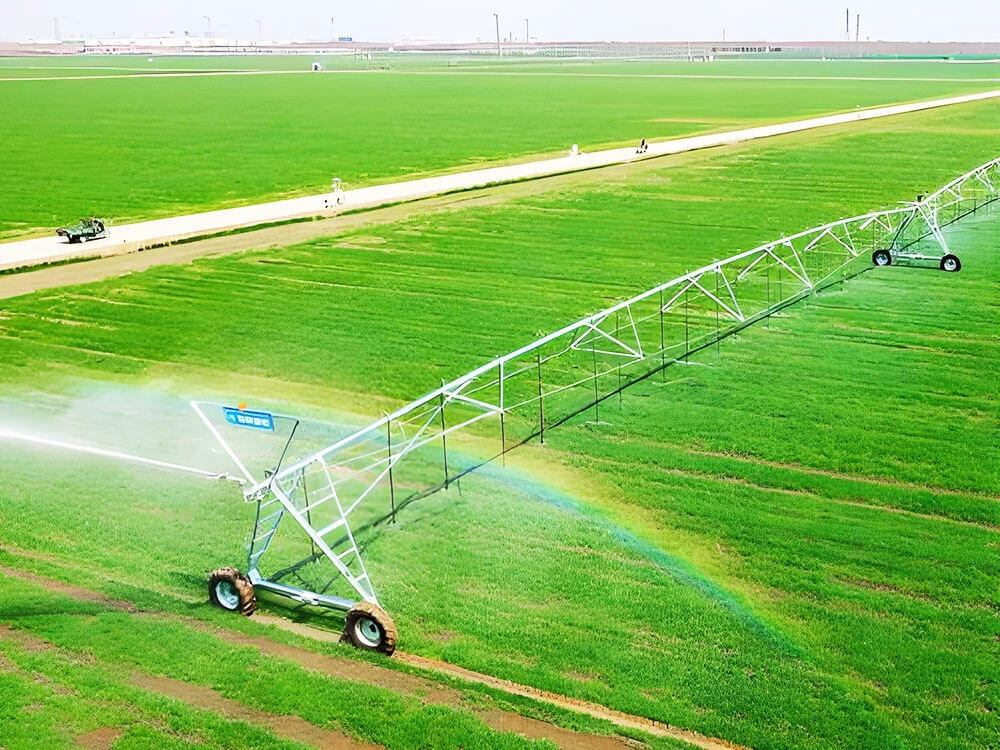
Low capacity load cells are used in automated feeding systems for livestock, aquaculture, and poultry operations to achieve precise feed delivery and weight control, improving efficiency and reducing waste. Common capacities include 5kg, 10kg, and 20kg load cells.
If your equipment requires precision weighing or low-force measurement (ranging from a few grams up to 50 kg), our low capacity load cells are typically well-suited to meet the demands of a wide variety of applications. For use cases that fall outside our standard capacity range or require special mounting configurations, we also offer custom capacity and structural designs to accommodate your specific installation space and measurement requirements.
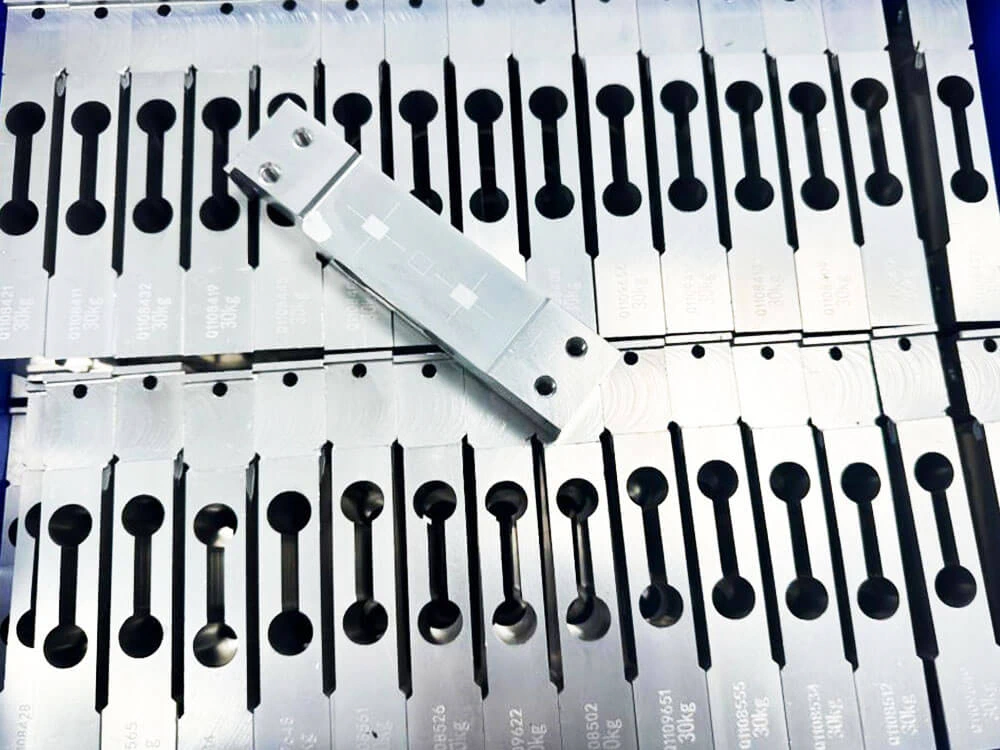
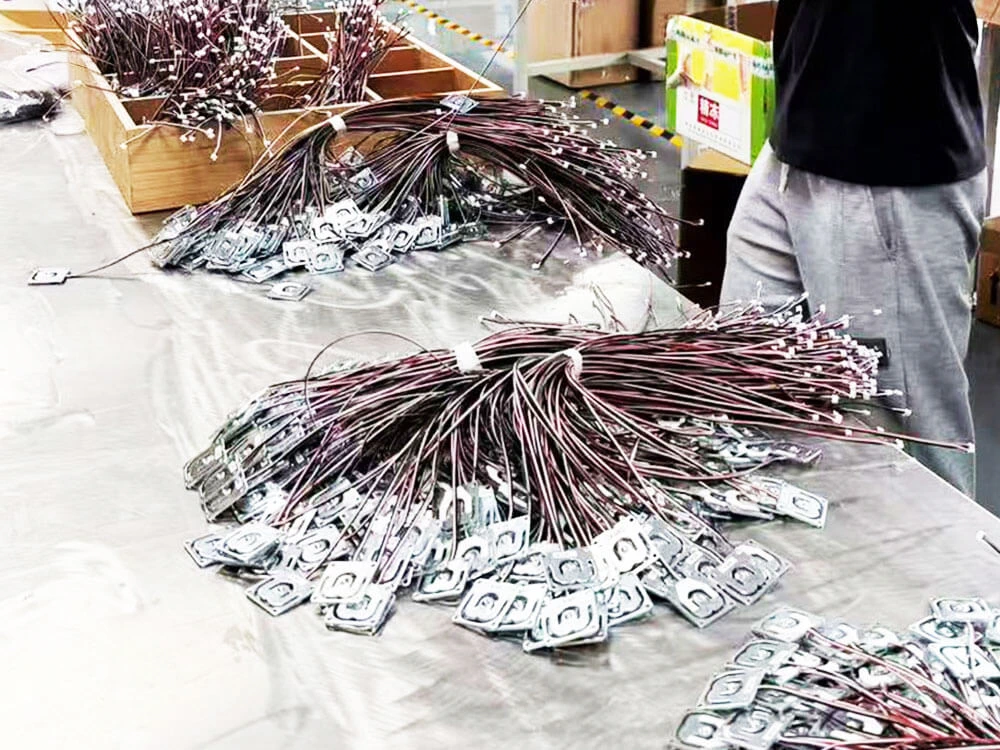
Based on structural design, low capacity load cell can be divided into the following five types to meet varying installation space, loading mode, and measurement needs.
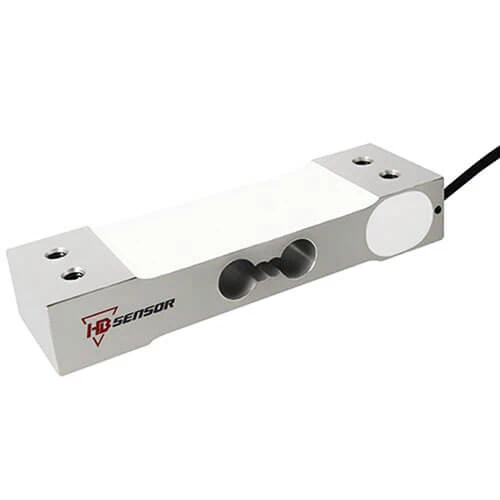
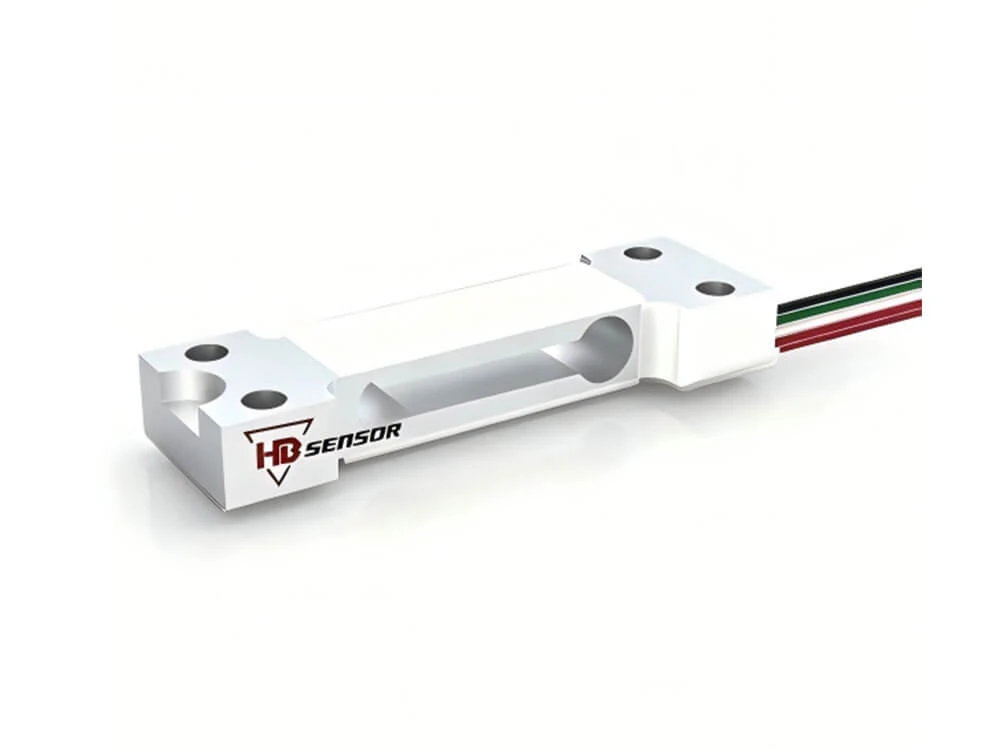
One of the most common low capacity load cell types, the single-point cell is specifically designed for platform weighing applications. It is widely used in platform scales, laboratory instruments, checkweighers, and packaging equipment. Thanks to its excellent off-center loading tolerance, it maintains high measurement accuracy even when the load is not perfectly centered on the platform. Standard capacities include 1kg, 3kg, 5kg, and 10kg.
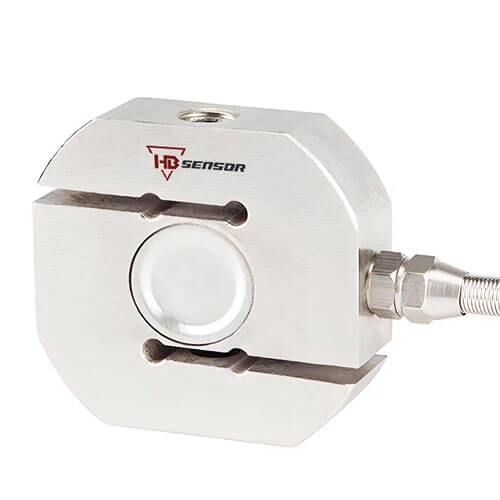
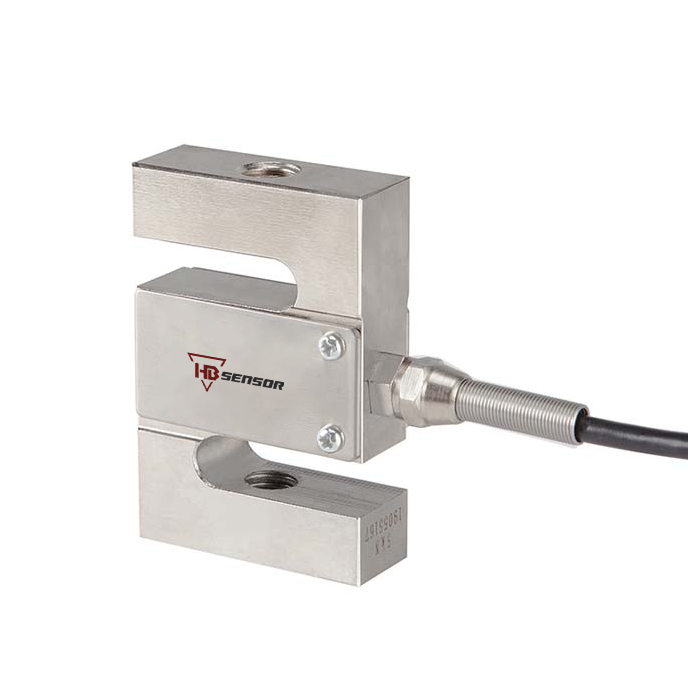
Featuring an “S” shaped profile, the S-Type load cell is capable of measuring both tension and compression, making it ideal for material testing machines, tensile testers, push-pull gauges, and other applications requiring bidirectional force measurement. It offers flexible installation options and high accuracy. Standard low capacities include 500g, 1kg, 5kg, and 10kg.
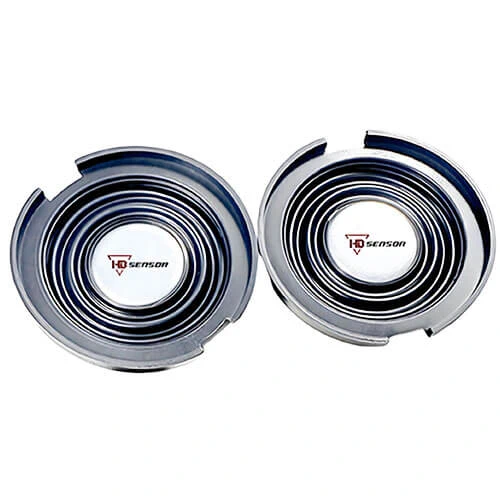
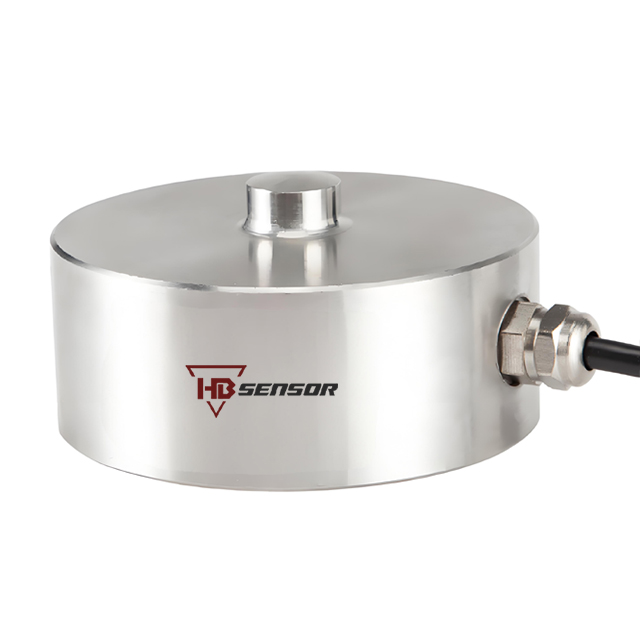
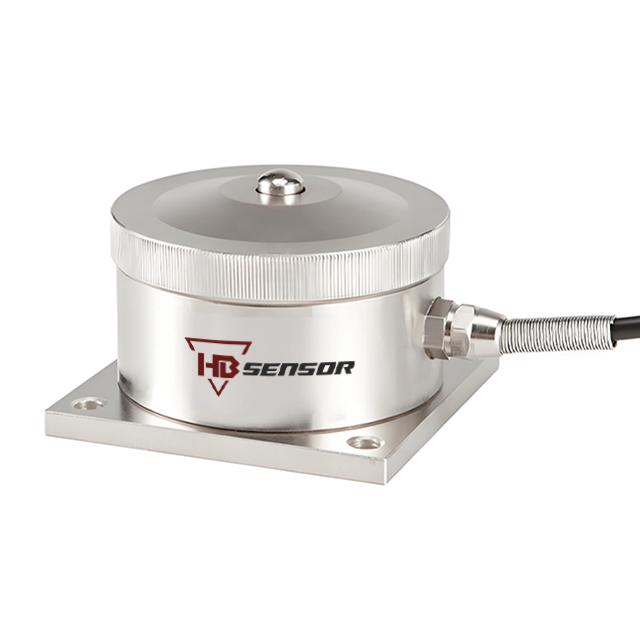
Compact and low-profile, the button load cell is designed primarily for compression force measurement. It is well-suited for applications with limited installation space, such as medical devices, robotic joints, and press-fit equipment. Standard low capacities include 10kg, 20kg, and 50kg.
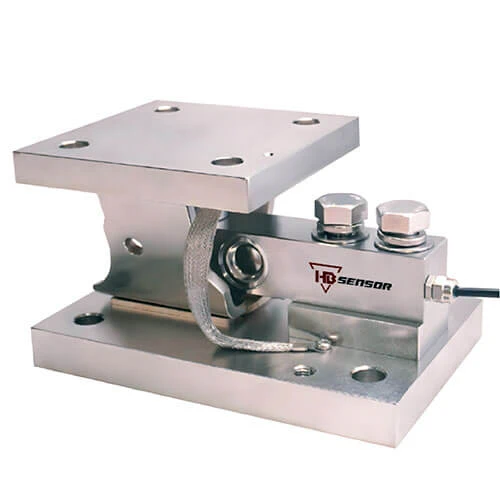
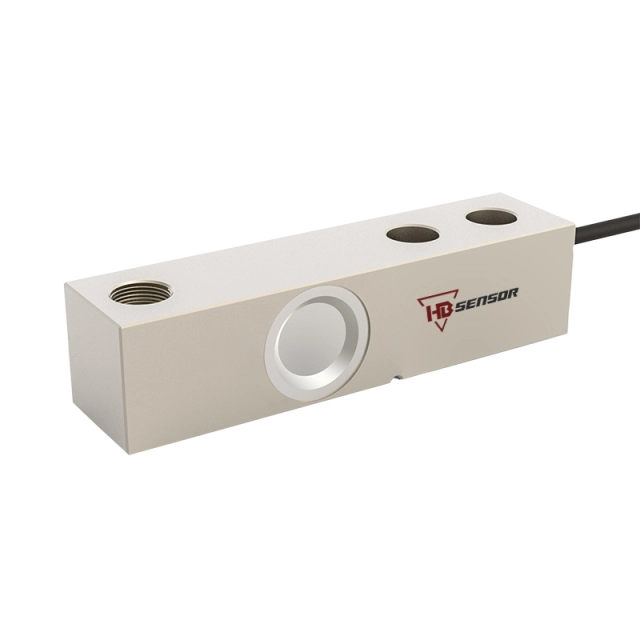
Common beam load cell designs include cantilever beam and parallel beam configurations. These load cells offer high accuracy, excellent stability, and cost-effectiveness. They are widely used in small hopper scales, batching systems, automation equipment, and industrial weighing systems. Standard low capacities include 500g, 1kg, 2kg, and 5kg.
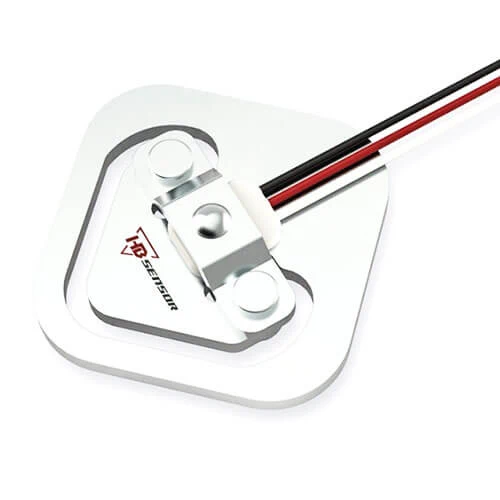
Characterized by their small size, light weight, and high sensitivity, miniature load cells are particularly suitable for equipment with extremely limited installation space. They are extensively used in medical devices, robotics, consumer electronics, aerospace, and precision testing equipment. Standard low capacities include 10g, 50g, 100g, 250g, 500g, and 1kg.
Many users tend to confuse miniature load cells with low capacity load cell, since both are associated with the idea of being “small.” In reality, however, the “smallness” they refer to is not the same thing. Understanding the distinction between them is the first step to making the right choice for your application.
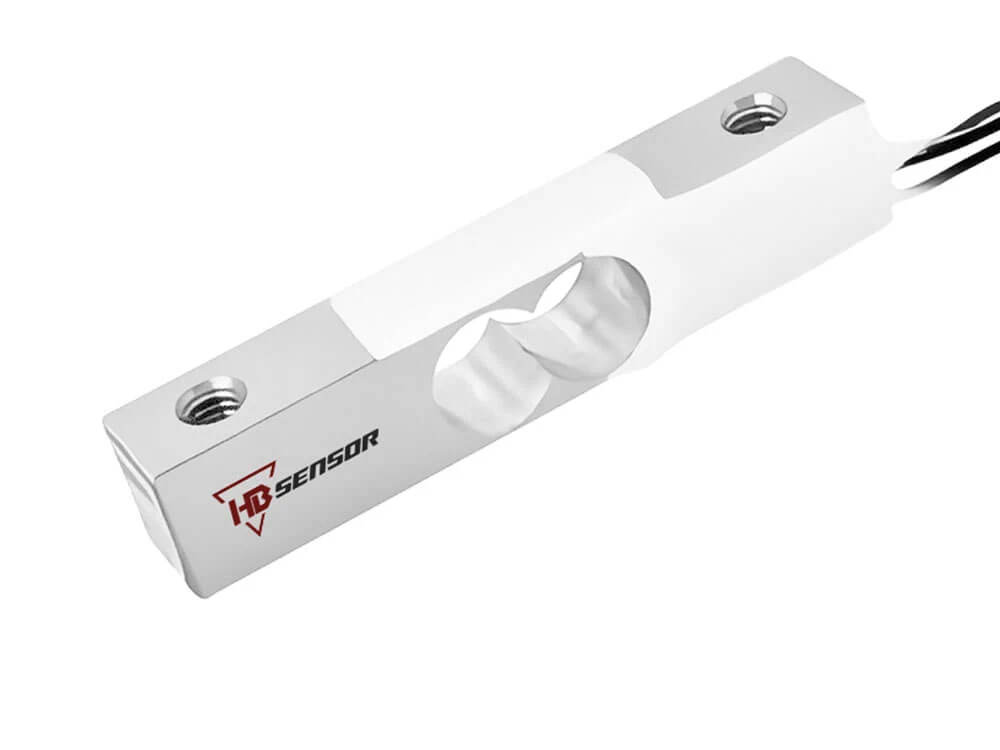
This term emphasizes a small measurement range, typically used to measure force or weight from a few grams up to 50kg. The physical size can be either very compact or built to a standard footprint. Its core advantage lies in delivering high-accuracy measurements at low force levels.
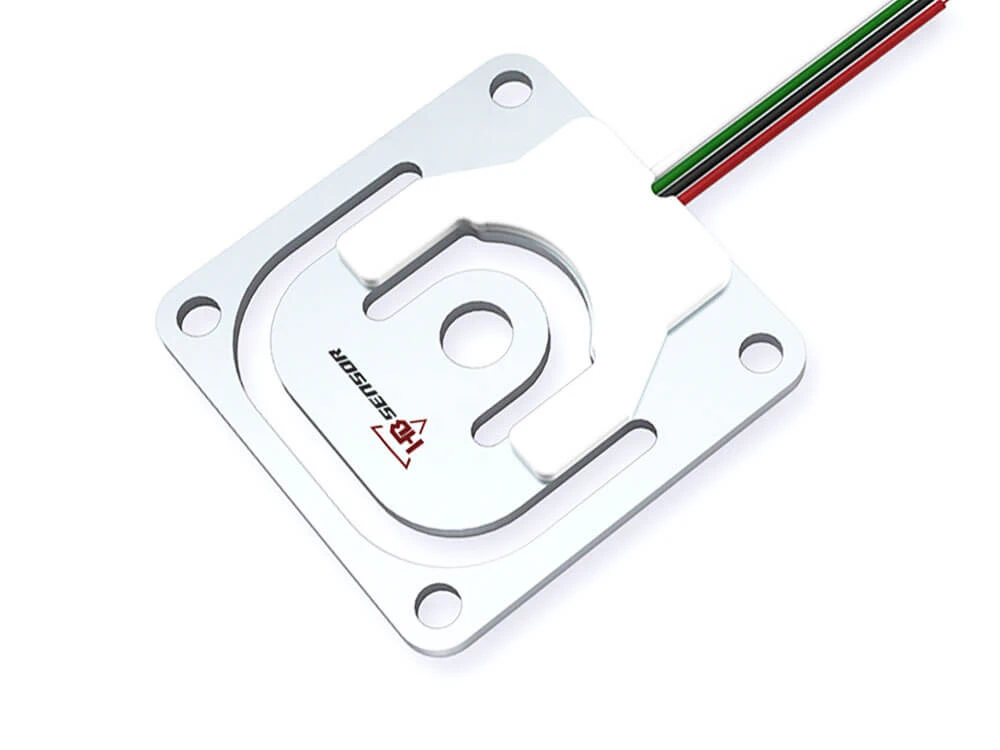
This term emphasizes a small physical footprint, primarily designed for equipment with limited installation space. Its capacity can range from a few grams to several hundred kilograms, meaning it is not necessarily a low-capacity sensor. Its core advantage is its compact size and ease of integration.
Selecting the right low capacity load cell is essential for ensuring measurement accuracy. Many users fall into the common trap of assuming that a larger capacity is always better—for example, using a 50kg sensor to measure 100g of gold, or debating between 5kg, 10kg, and 20kg for a pet feeder. In reality, an oversized capacity means the actual load falls far below the rated range, resulting in weak output signals that compromise resolution and overall measurement quality. To make the right choice, you need to consider capacity, structure type, accuracy requirements, installation space, and operating environment. Below are five key selection criteria.
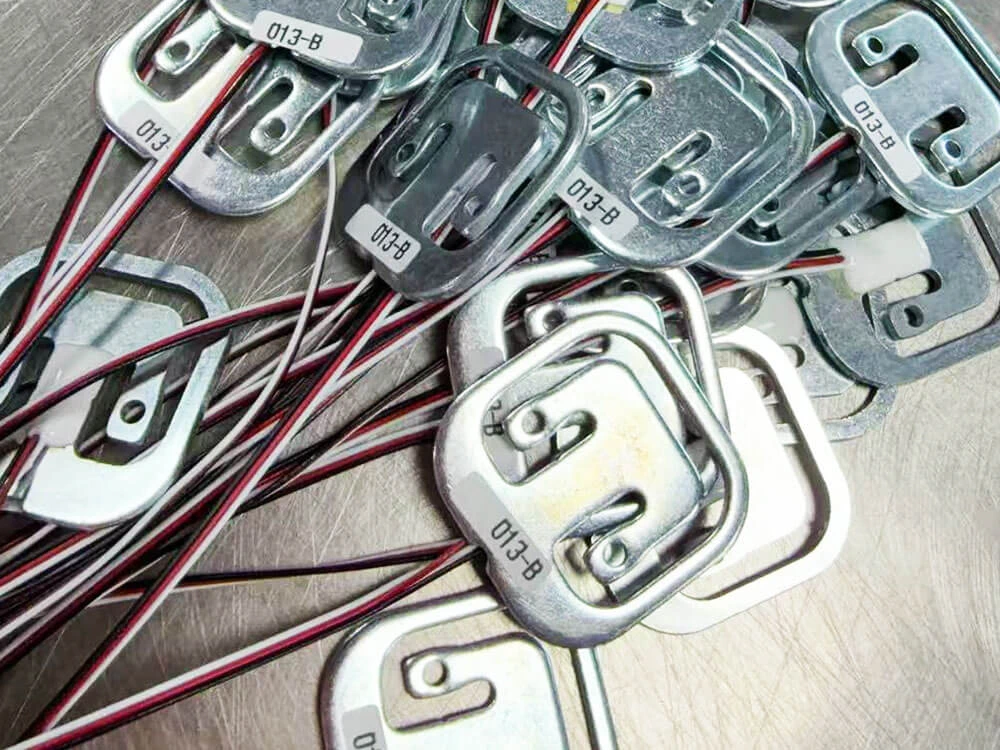
Common low capacity ranges include 500g, 1kg, 2kg, 5kg, 10kg, 20kg, and 50kg. Choosing a capacity that is too small risks overload damage, while an oversized capacity reduces resolution and accuracy at low loads. We recommend selecting a capacity based on your maximum actual load, while leaving a reasonable safety margin.
Different structures are designed for different mounting methods and loading modes—choosing the right one is key to obtaining stable measurement results. For example, Single-Point Load Cells are ideal for platform weighing applications, while Miniature Load Cells are better suited for equipment with limited installation space.
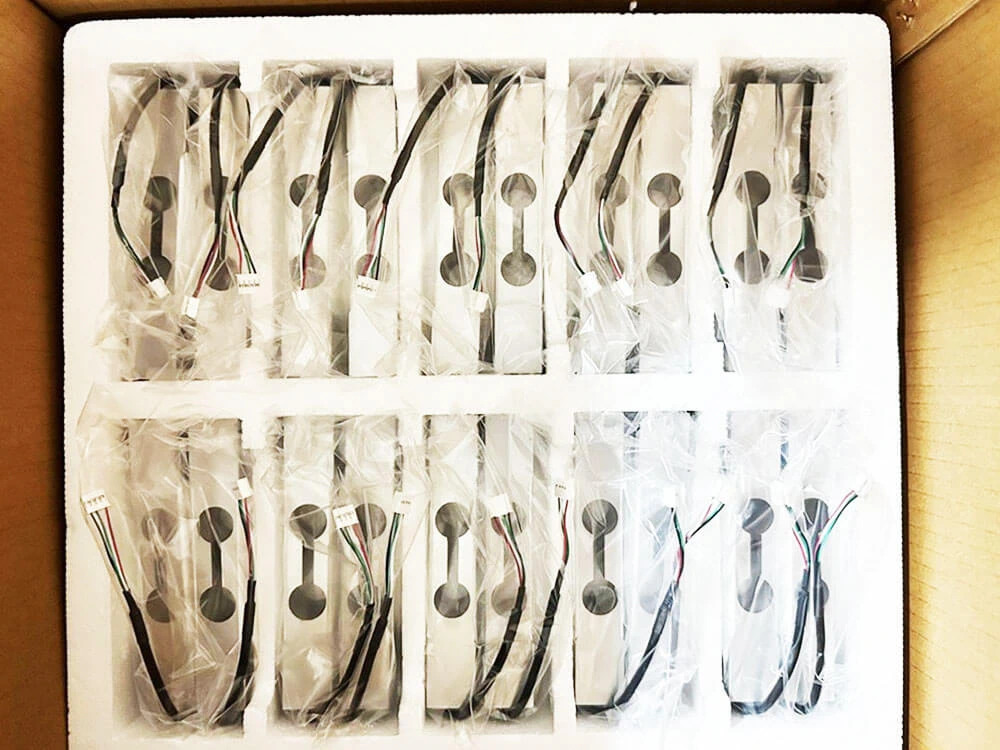
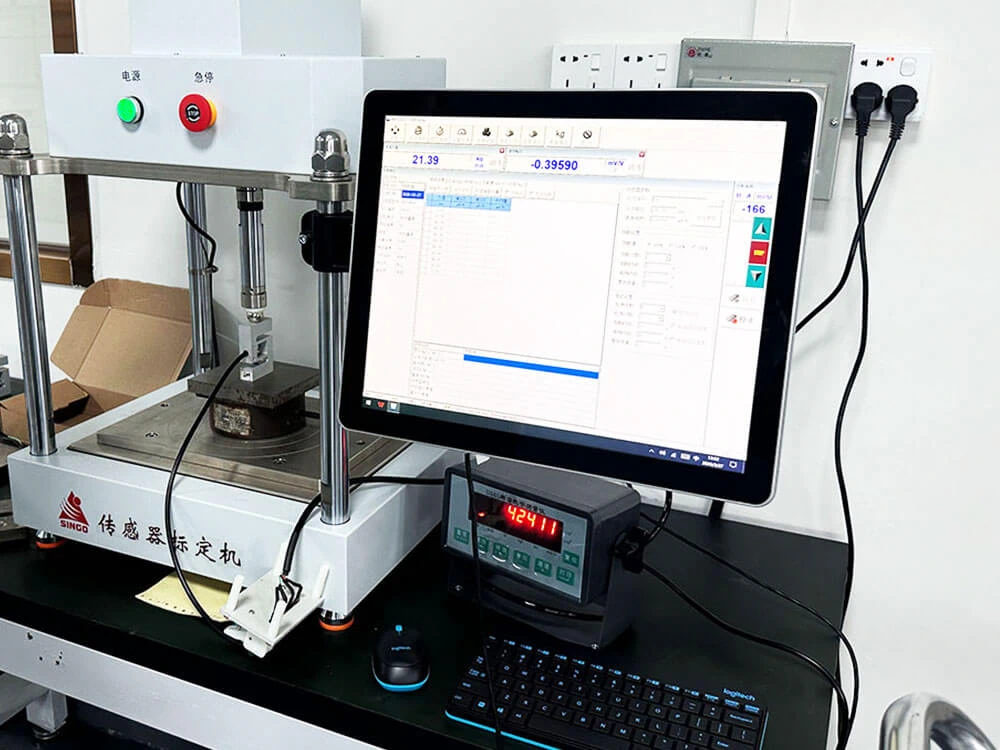
High-precision applications such as laboratory instruments and medical devices demand higher resolution and repeatability. In contrast, general industrial weighing applications prioritize long-term stability and reliability. You should match the accuracy class to your specific use case.
Available installation space is a critical constraint in load cell selection. If your equipment has limited internal space, consider a Miniature Load Cell or Button Load Cell. If the constraint is more about form factor or geometry, Single-Point or Beam Load Cells may be better options.
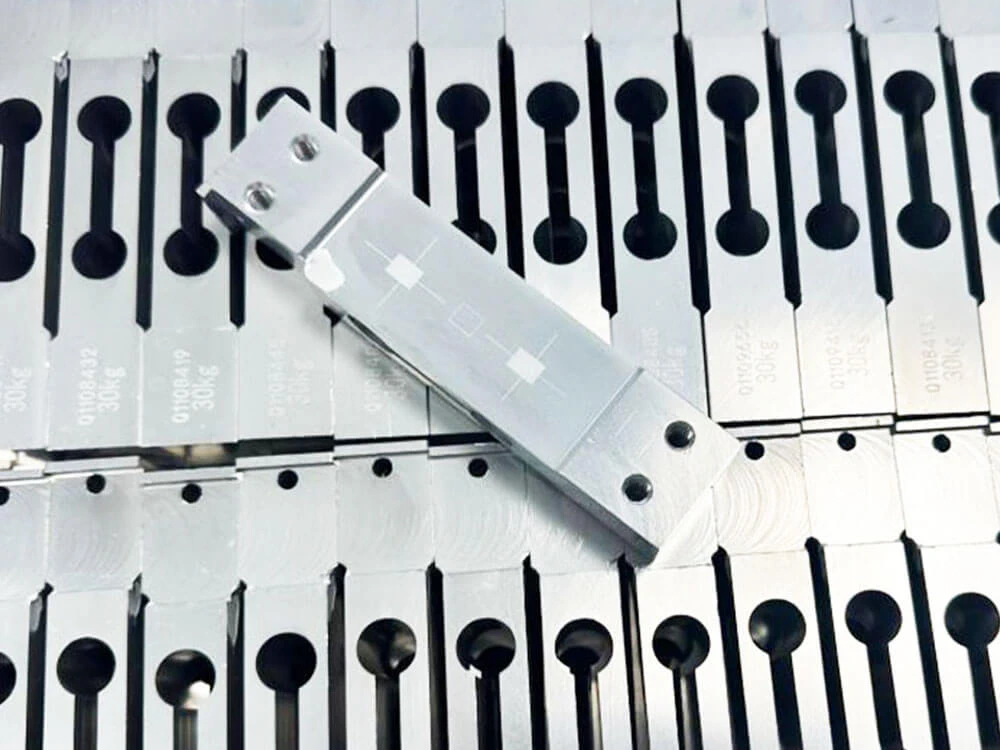
For applications in wet, high-temperature, or corrosive environments, pay close attention to material construction, ingress protection (IP) rating, and operating temperature range. When necessary, choose stainless steel models or products with enhanced environmental durability to maximize service life.
As a China-based manufacturer with years of experience in low capacity load cell production, we combine deep technical expertise with rigorous quality control to deliver sensors you can rely on. Every unit is manufactured under strict process controls to ensure consistent performance, high repeatability, and long-term stability—so you get precision you can trust, application after application.
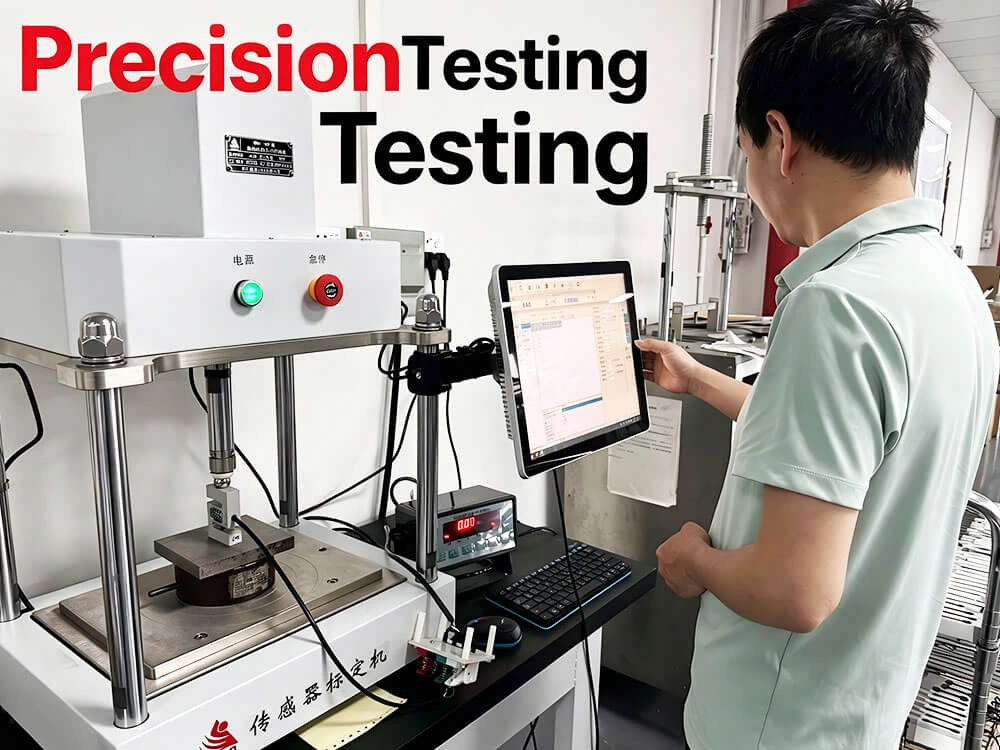
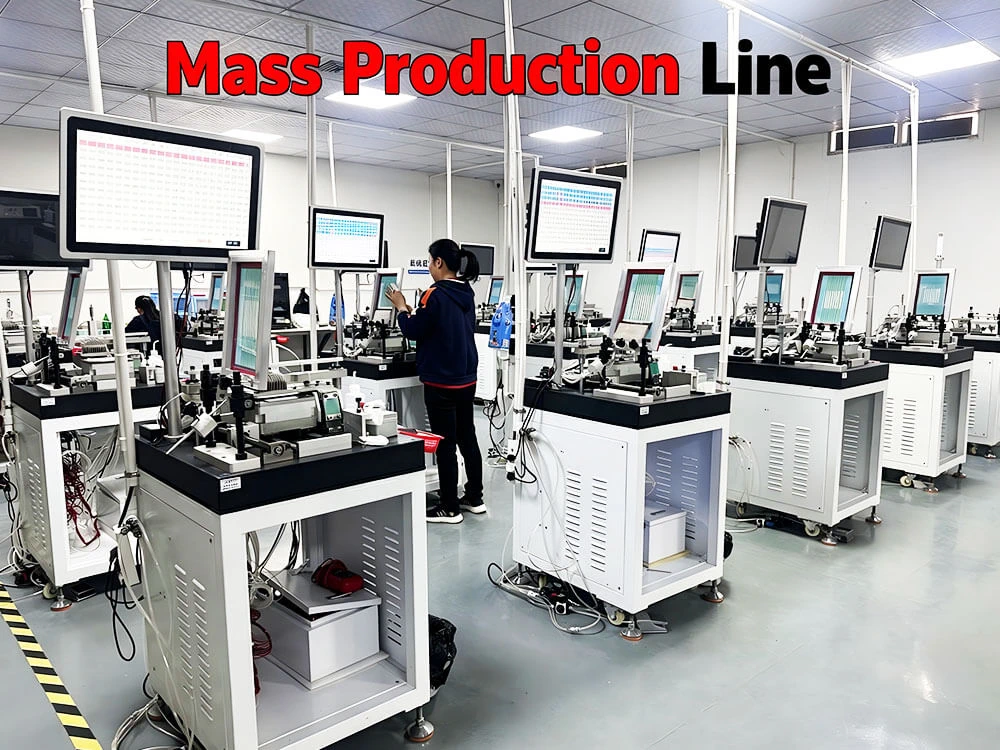
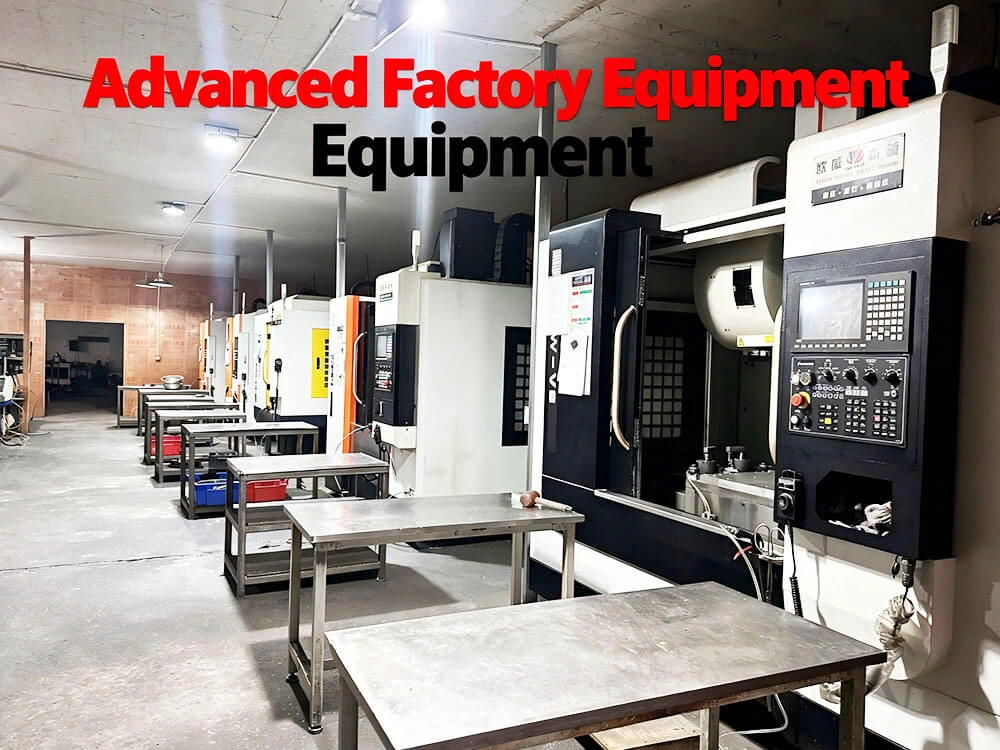

We offer high-accuracy Low Capacity Load Cells in a variety of configurations, with capacities ranging from a few grams up to 50kg—suitable for a wide range of precision weighing and force measurement applications. If you require custom designs, our engineering team is ready to provide complete solutions, from selection to application.
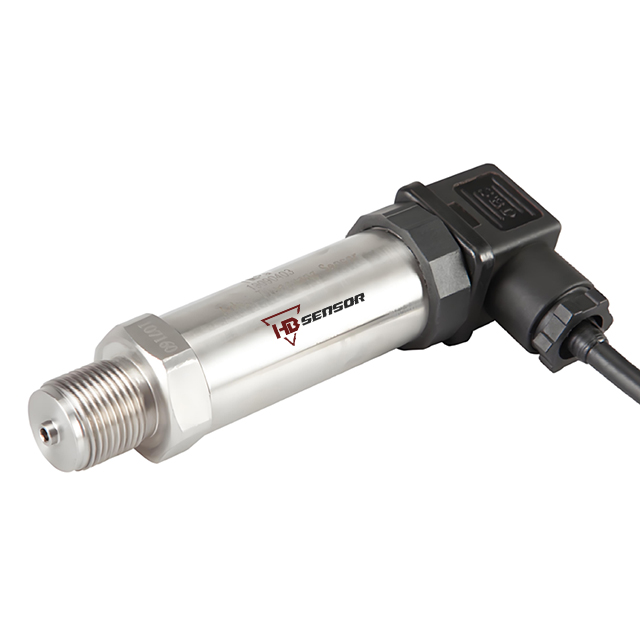
As the best quality load cell sensor products manufacturer, we can provide professional solutions for any custom request. Please feel free to contact us now and we will contact you soonest.
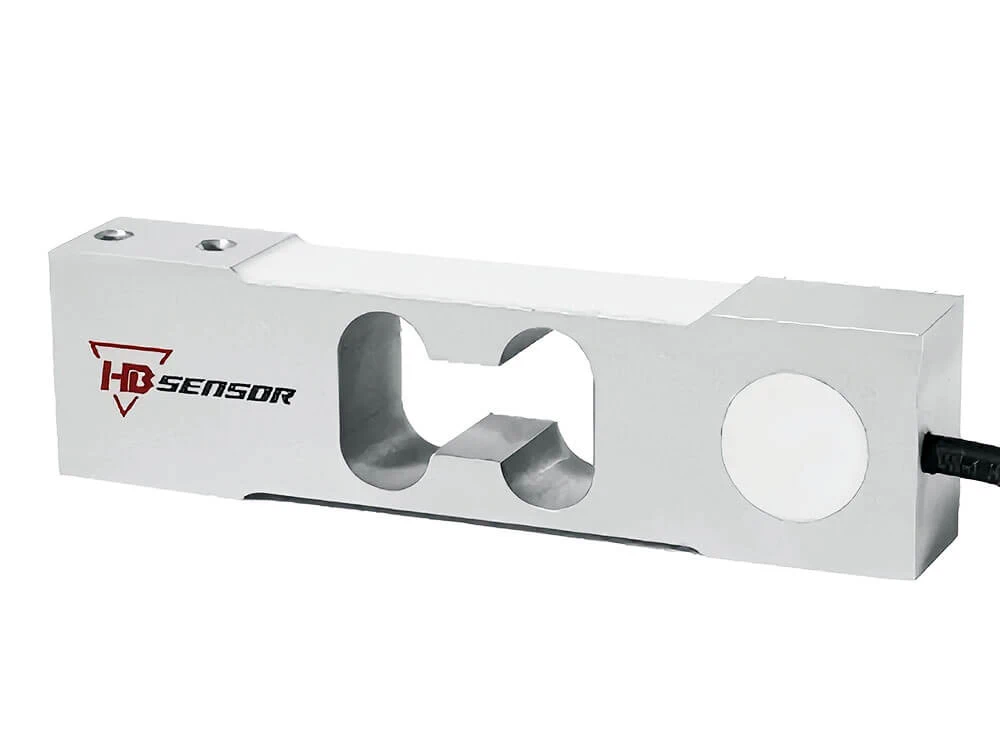
You can get a price of this model or send us any question to get any information you would like to know, we will reply to you soonest.