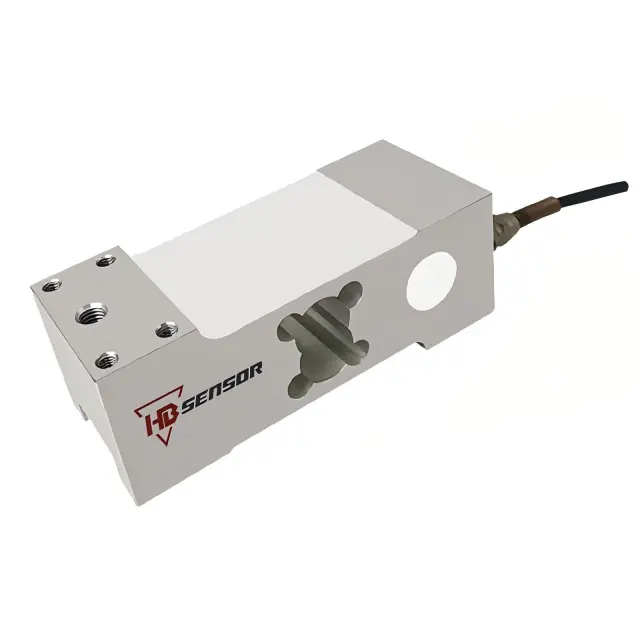

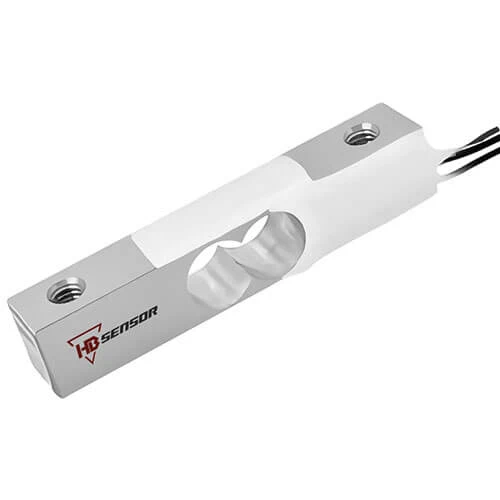
A bench scale load cell is a key sensing component that converts the load applied to a weighing platform into an electrical signal for weight measurement. Choosing the right load cell involves more than comparing prices. Capacity, accuracy, compatibility, reliability, and technical support should all be considered to ensure the load cell meets the requirements of the weighing system, especially for bulk orders and long-term applications.
With 15+ years of experience in load cell R&D and manufacturing, Haibosensor provides load cell solutions and customization support based on different bench scale designs and application requirements.
Bench scale load cells are commonly used in weighing equipment such as bench scales, commercial price computing scales, and precision laboratory bench scales. Compared with high-capacity load cells used in large industrial weighing systems, they are generally designed for low- to medium-capacity weighing applications, with common capacities covering up to 50 kg.
When an object is placed on the weighing platform, the load cell senses the mechanical force generated by the load and converts it into an electrical signal. The signal is then processed by a weighing indicator or controller and converted into a readable weight value for display.
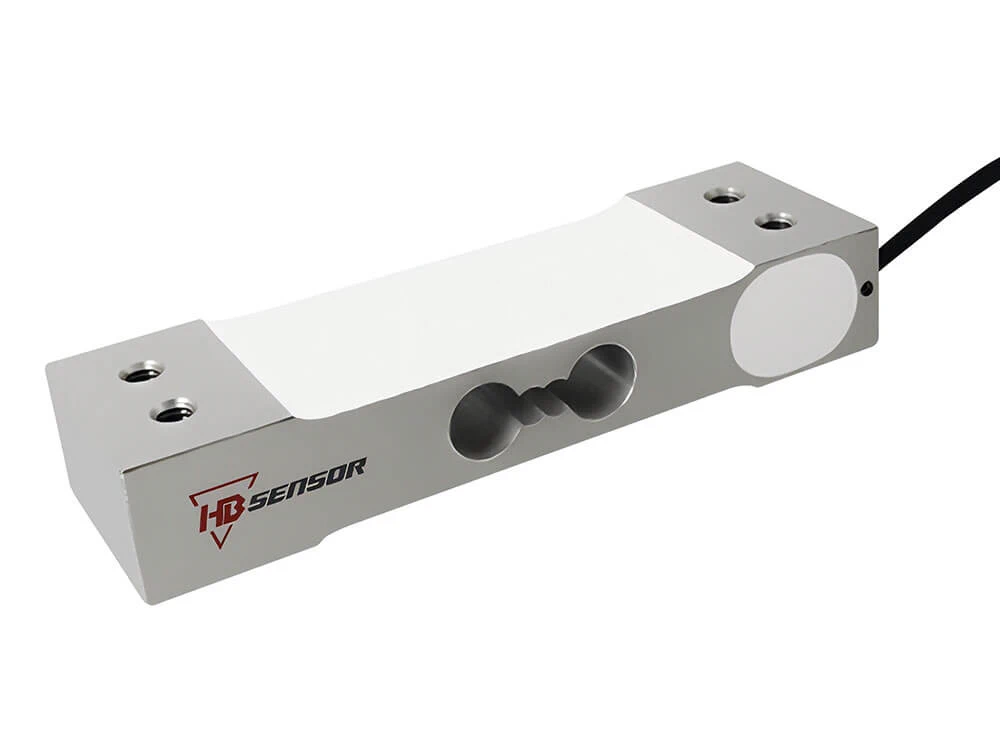
Bench scale load cells are widely used in retail weighing, laboratory testing, industrial checkweighing, logistics weighing, food packaging, and parts counting. Different applications have different requirements for capacity, accuracy, repeatability, stability, and environmental resistance. Haibosensor provides load cell solutions tailored to different weighing equipment and application requirements.

Retail price scales, counter scales, and small commercial weighing equipment are widely used in supermarkets, fruit stores, delis, and other retail settings. These applications commonly use single-point load cells, with typical capacities of 5 kg, 10 kg, 30 kg, and 50 kg. Good off-center loading performance helps maintain stable weighing results even when items are not placed at the center of the platform.

Precision bench scales and laboratory weighing equipment are used for sample weighing, material testing, food research, and quality control. These applications typically require good repeatability, creep performance, zero stability, and temperature compensation.

Industrial checkweighing scales are widely used on production lines, packaging stations, and in e-commerce warehouses to verify product weight and detect underweight or overweight items. The response characteristics, repeatability, and long-term stability of the load cell can affect overall weighing performance. Haibosensor provides mV/V output load cells that can be integrated with weighing transmitters, controllers, PLCs, and other automation equipment.

Postal and parcel scales are commonly used at shipping stations, warehouse workstations, and logistics centers for weighing packages. Frequent loading and unloading require good repeatability, zero return, and long-term stability. Choosing a load cell with the appropriate capacity and stable creep performance helps maintain reliable weighing results.

Food processing and packaging equipment may operate in humid or contamination-prone environments and often require frequent cleaning. Depending on the application, Haibosensor can provide stainless steel load cells, sealed designs, and suitable IP ratings, such as IP65 models, to improve durability in demanding environments.

Parts counting scales are widely used in electronics manufacturing, hardware production, inventory management, and warehousing. They use weight measurements to estimate the quantity of small parts such as screws, nuts, and connectors. A stable and repeatable bench scale load cell helps maintain consistent weighing results for reliable parts counting.
Both bench scales and kitchen scales are used for weighing, but they differ in typical capacity, platform size, and applications. Understanding these differences can help you choose the right bench scale load cell for your equipment and achieve more stable and accurate weighing performance.
| Feature | Bench Scale | Kitchen Scale |
| Capacity | Up to 50 kg | Usually up to 10 kg |
| Platform | Larger | Smaller |
| Applications | Commercial, industrial, logistics | Cooking, baking, food weighing |
| Load Cell Focus | Capacity, stability, off-center loading | Sensitivity, repeatability, stability |
| Environment | Commercial or industrial | Household |
The table on the left compares bench scales and kitchen scales across several key aspects.
A bench scale is designed for a wider range of weighing tasks, such as weighing precision parts in factories and relatively heavy goods in retail environments. Therefore, it typically places greater emphasis on higher capacity, platform size, and off-center loading performance.
By comparison, a kitchen scale is mainly designed for weighing food and ingredients in household or commercial kitchens. Its capacity is usually lower, while sensitivity, resolution, and repeatability are more important for accurately measuring small amounts of ingredients.
Single-point load cells are one of the most common choices for bench scales because they are designed to support a weighing platform from a single mounting point while providing good performance under off-center loading. This makes them suitable for applications such as bench scales, price computing scales, and checkweighing scales.
Bending beam load cells may also be used in certain bench scale designs, particularly when the scale requires a specific installation height, capacity, or mechanical configuration. Haibosensor provides both single-point and bending beam load cells, which can be selected according to the scale’s capacity, platform design, installation space, and application requirements.
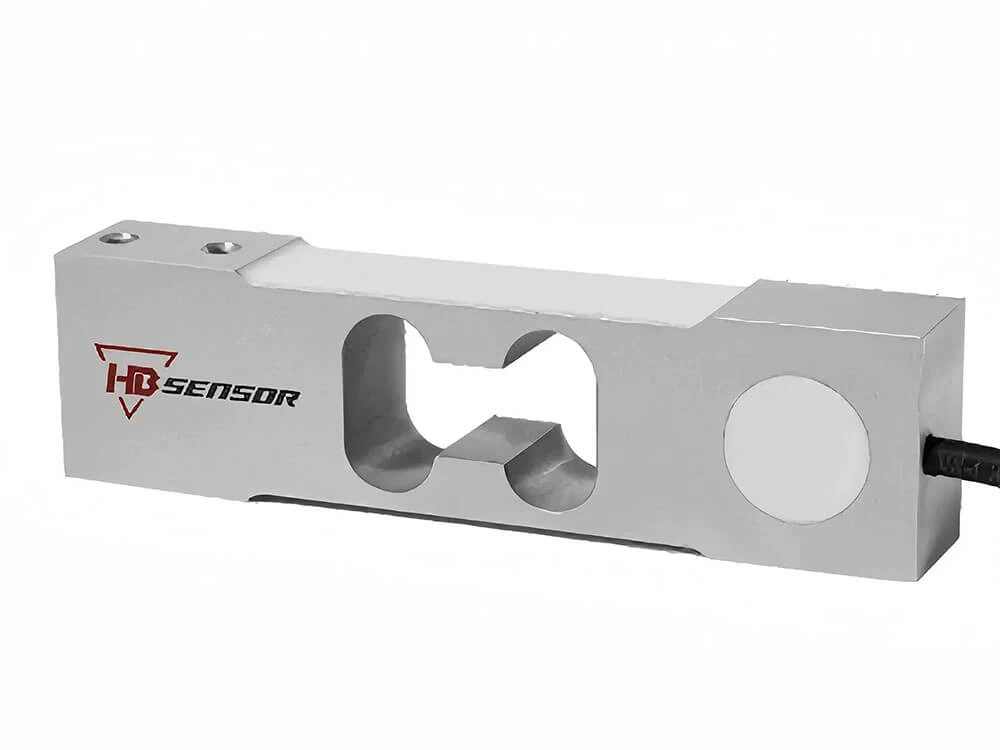
The number of load cells used in a bench scale is not arbitrary. It depends on the weighing platform size, capacity, mechanical structure, and load distribution requirements. Common configurations include one or four load cells, with the appropriate option depending on the platform design and required weighing performance.
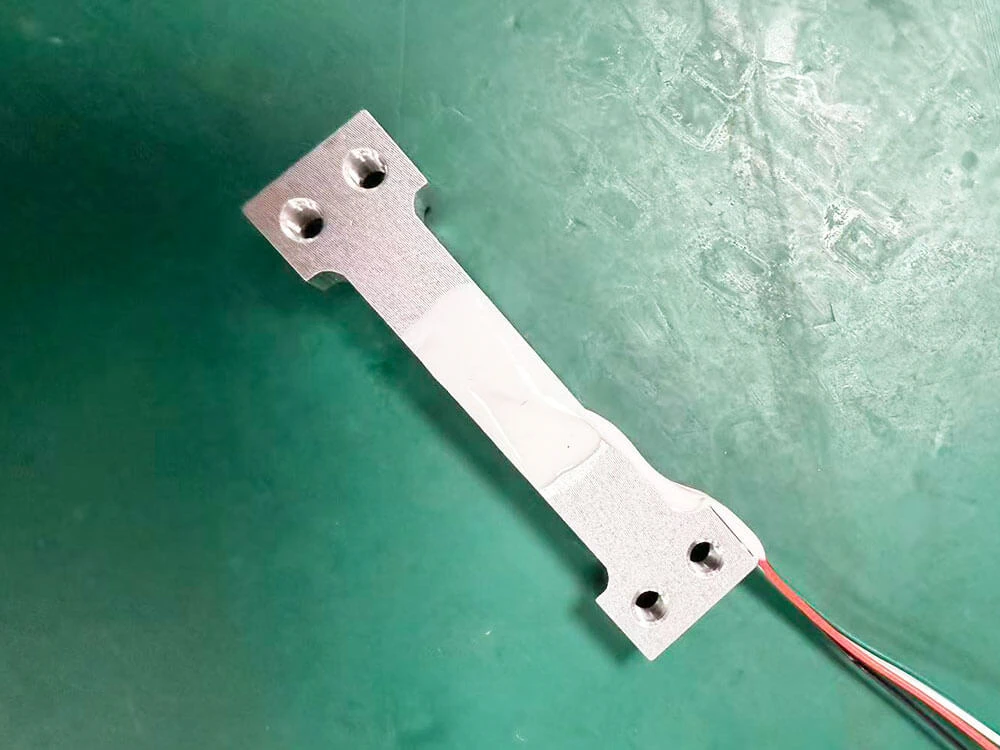
When a bench scale uses a single load cell, it is typically a single-point load cell, mainly for small and medium-sized bench scales. It provides good off-center loading performance, helping minimize the effect of load position on weighing results. A single sensor can typically support the entire weighing platform, simplifying the mechanical structure and installation while reducing assembly costs.
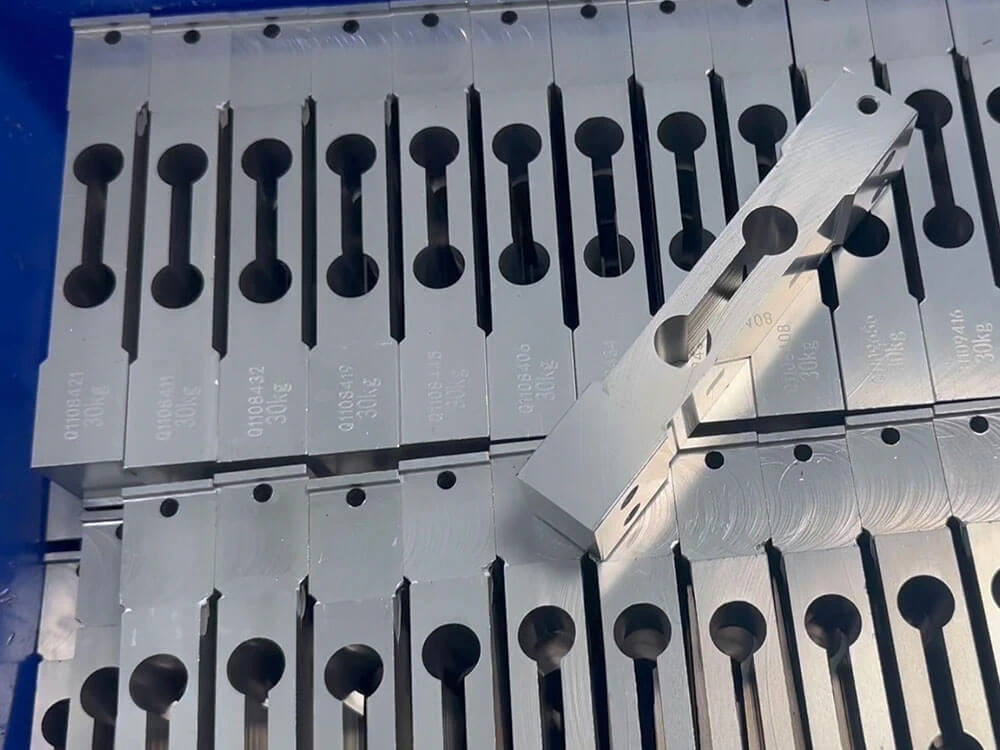
Four bench scale load cells are commonly used for larger weighing platforms, with one sensor installed at each corner. Depending on the platform’s mechanical design, these four sensors can be single-point load cells or other suitable load cell types. The four support points share the load and provide more even load distribution, making this configuration suitable for larger platforms or weighing equipment that requires multiple support points. However, it typically requires greater attention to installation, corner adjustment, and calibration.
When selecting a bench scale load cell, several key specifications should be considered to ensure compatibility with the weighing system and application requirements. Capacity, rated output, performance, material, and environmental protection are among the most important factors.
| Specification | Description | Typical Value / Selection Reference |
| Rated Capacity | Maximum load the load cell is designed to measure | Retail price computing: 5–50kg; Laboratory: 200g–35kg |
| Rated Output | Electrical output at rated capacity, typically in mV/V | Commonly 2.0mV/V; must match instrument input sensitivity |
| Nonlinearity | Deviation from the ideal output curve | Precision bench scales: typically ≤±0.02% FS |
| Repeatability | Consistency of output under repeated loading | Laboratory bench scales: typically ≤±0.01% FS |
| Material | Common options include aluminum alloy and stainless steel | Aluminum alloy: dry indoor environments; Stainless steel: humid, corrosive, or washdown environments |
| IP Rating | Protection against dust and moisture, depending on the model | IP65: water spray; IP67: temporary immersion; IP68/IP69K: high-pressure, high-temperature washdown |
Single-point load cells are widely used in bench scales because their structure is suitable for supporting a weighing platform while maintaining good off-center loading performance. This video shows part of Haibosensor’s single-point load cell manufacturing process, from component processing and assembly to testing, providing a closer look at how these load cells are produced for weighing applications.
Whether you are purchasing samples or placing a large-volume order, choosing a bench scale load cell should not be based on price alone. A manufacturer’s experience, customization capabilities, technical support, and quality control can all affect product consistency, compatibility with your weighing system, and long-term cooperation.

An experienced load cell manufacturer should not only be able to provide standard bench scale load cells but also have a professional engineering team and extensive project experience. This allows them to understand different weighing platform structures, load conditions, and performance requirements, and develop suitable solutions based on your specific needs.
A reliable manufacturer should be able to provide customized solutions based on the specific requirements of your bench scale. For example, Haibosensor has a professional engineering team that can review your design drawings, provide recommendations and optimization, and customize parameters such as capacity, dimensions, mounting holes, cable specifications, output, materials, and IP rating. Customization is especially important when a standard bench scale load cell cannot meet your equipment requirements.
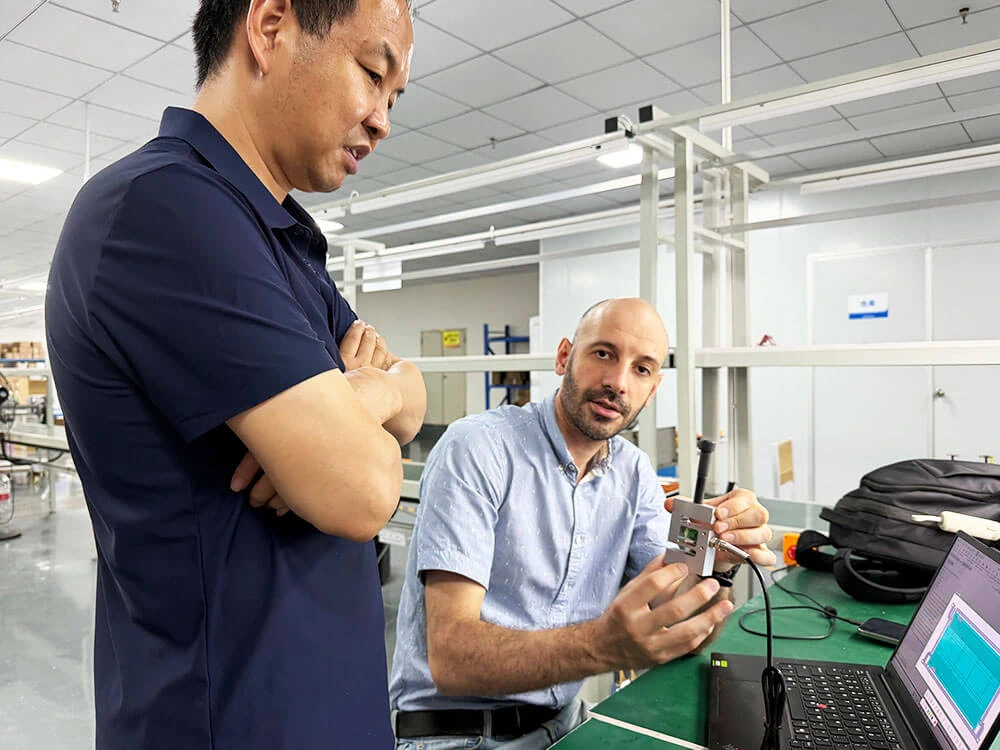

When choosing a bench scale load cell, the product itself is only part of the solution. System integration and technical support are equally important. Haibosensor has both hardware and software engineering teams to provide technical support for load cell selection, installation, signal output, and system integration, helping customers address practical challenges in their applications.
Consistent quality control is essential for ensuring load cell consistency and long-term performance. A professional manufacturer should maintain strict quality control throughout key processes, including elastomer machining, strain gauge bonding, assembly, temperature compensation, calibration, and final testing. This helps ensure stable and consistent performance across different production batches.

Selecting the right bench scale load cell requires matching the load cell to the scale’s capacity, platform structure, load conditions, and operating environment, while also considering key specifications such as rated output, repeatability, material, and IP protection rating. With over 10 years of experience in load cell R&D and manufacturing, Haibosensor can recommend or customize a precise and stable bench scale load cell based on your actual application requirements, making the selection process easier.
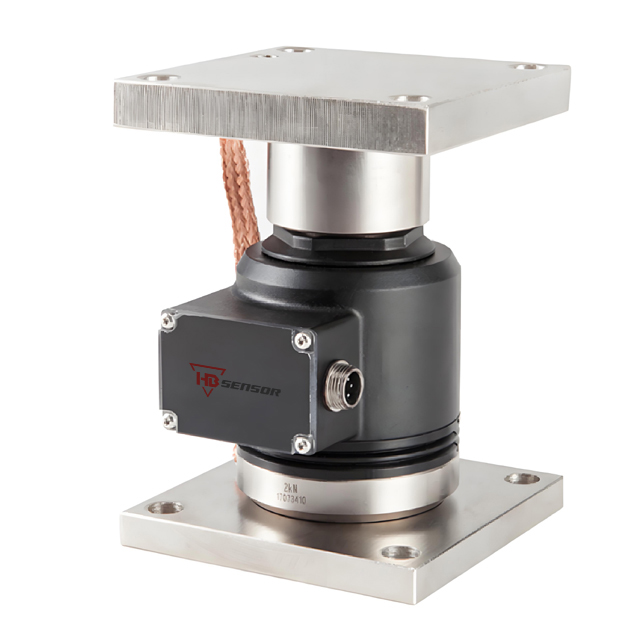
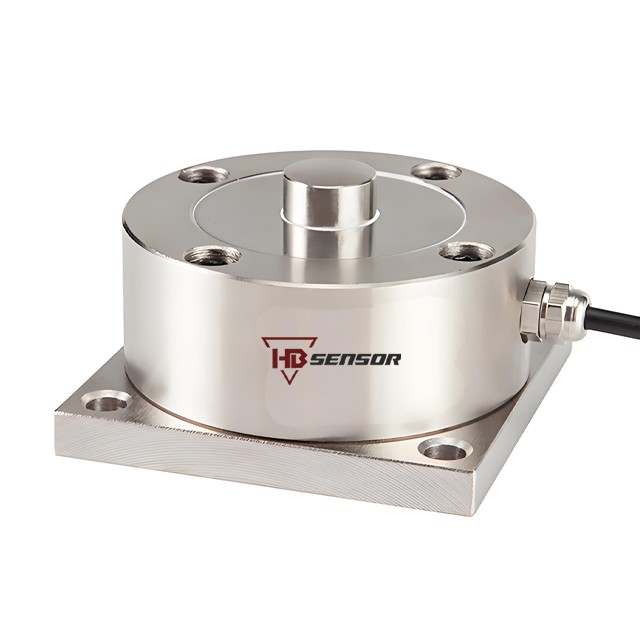
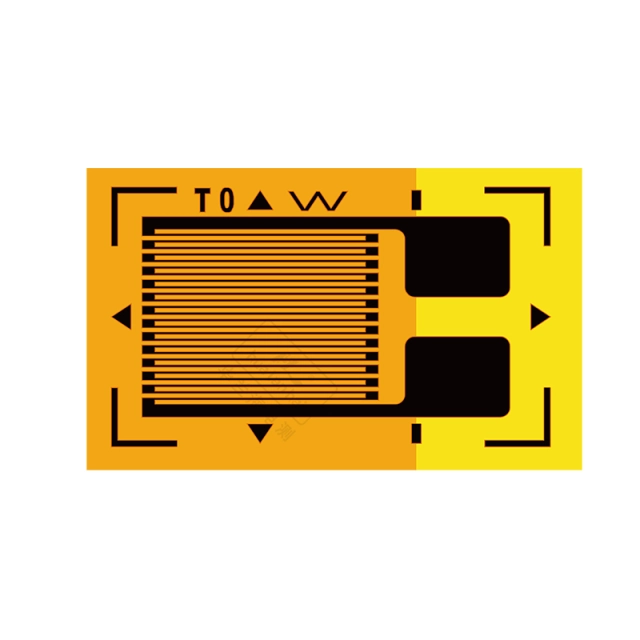
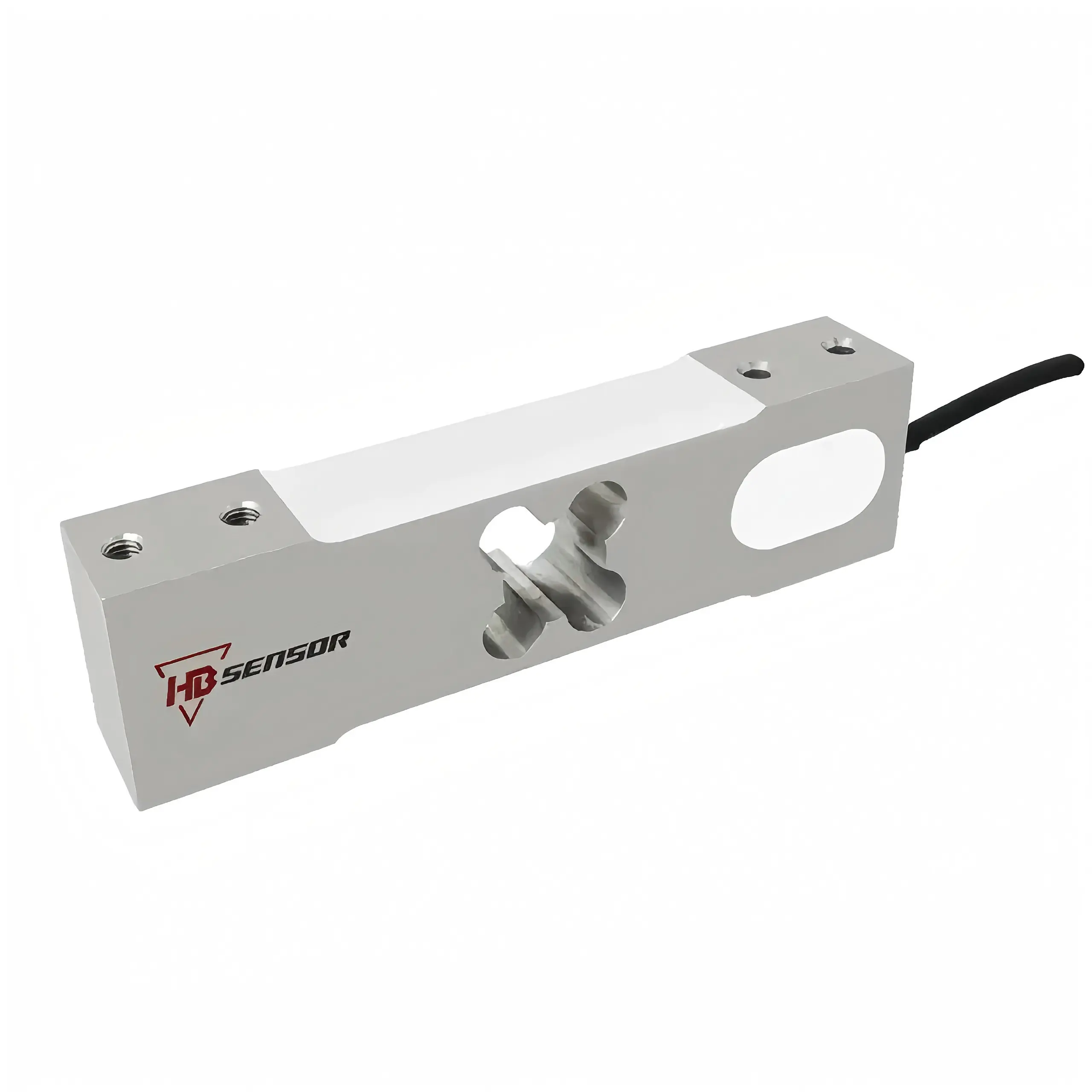
As the best quality load cell sensor products manufacturer, we can provide professional solutions for any custom request. Please feel free to contact us now and we will contact you soonest.
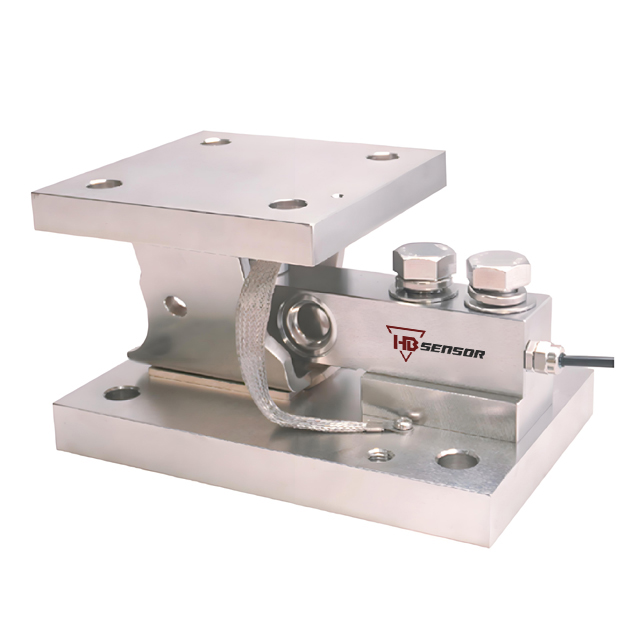
You can get a price of this model or send us any question to get any information you would like to know, we will reply to you soonest.