
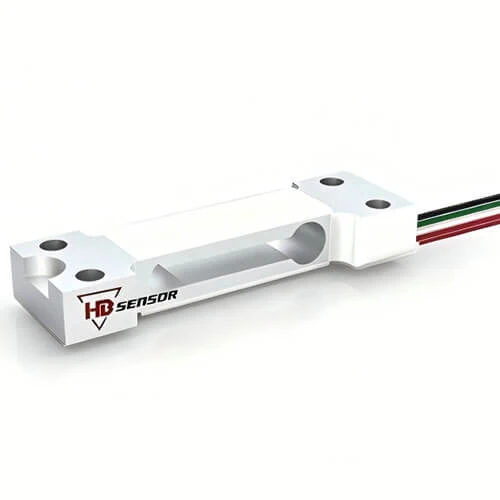
The 100g load cell is a high-precision load cell designed for lightweight weighing and low-capacity force measurement applications. It is widely used in medical weighing devices, kitchen scales, small electronic scales, and industrial automation equipment. With its low rated capacity, the 100g load cell can sensitively detect small loads and minute force changes, providing reliable measurement data for precision weighing, force measurement, and automated control.
We focus on delivering high-precision 100g load cells with flexible customization options, including tailored cable lengths, dimensions, and materials to meet specific installation and measurement requirements. Technical support is also available to help streamline sensor selection and system integration.
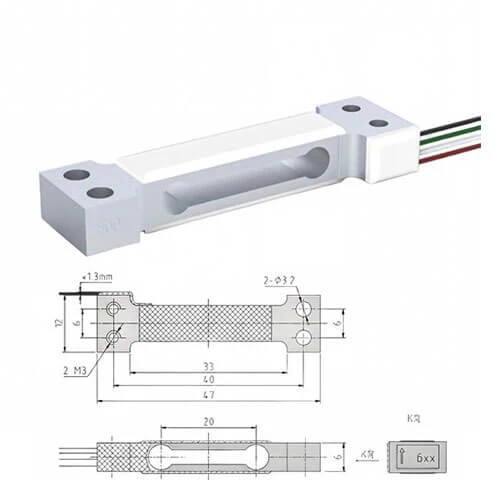
Even for the same 100g load cell, manufacturers may differ in load cell accuracy class, materials, design, and customization capabilities. As a 100g load cell manufacturer, we focus on key specifications such as S-class accuracy, lightweight aluminum alloy construction, and 4-M3 mounting holes to ensure accurate measurement, reliable performance, and easy installation. Custom options are also available for specific application requirements.
| Parameter | Specification | Features / Remarks |
| Rated Capacity | 100g standard; 150g / 300g / 500g / 750g / 1000g options | Low-capacity weighing |
| Accuracy Class | S-Class (Nonlinearity/Hysteresis/Repeatability ≤±0.05% R.O.) | Precision measurement |
| Output | 4-wire Wheatstone bridge: Exc (+)、Sig (+)、Exc (-)、Sig (-) | Separate excitation and signal |
| Wire Configuration | Red / Green / Black / White | Standard color-coded wiring |
| Material | Aluminum Alloy | Lightweight and rigid |
| Overall Length | 47 mm | Compact installation |
| Mounting Holes | 4-M3 Clearance Holes | Easy equipment integration |
| Compliance | RoHS | Environmentally friendly |
| Customization | Cable Length Adjustment, Dimension Drawings, Data Sheets, Technical Support | Tailored to your application |
A 100g load cell is designed for low-capacity measurement and micro weighing applications, offering the sensitivity, accuracy, and repeatability needed to detect small changes in weight. Its compact design makes it easy to integrate into space-constrained weighing equipment, such as jewelry scales and compact pharmaceutical weighing equipment. We also offer dimensional customization based on customers’ equipment space and mounting requirements.
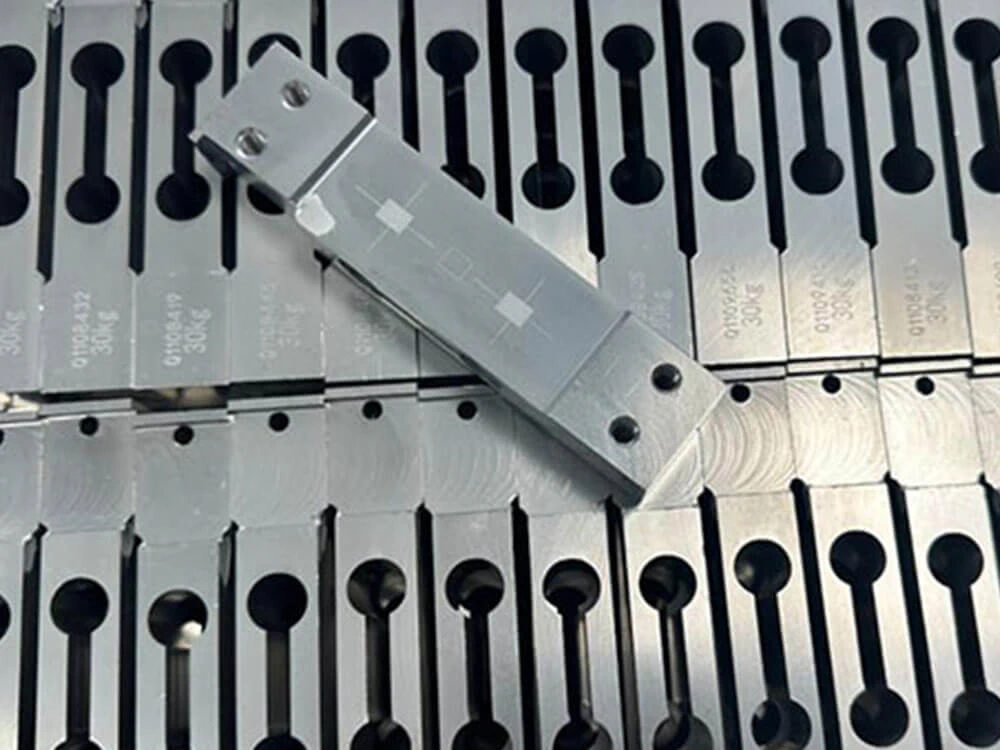
With a 100g rated capacity specifically designed for lightweight loads, this load cell closely matches the actual measurement range and can sensitively detect small changes in weight. Compared with load cells whose rated capacity far exceeds the actual load range, a 100g load cell can make better use of its rated capacity, helping deliver more stable and reliable results for low-capacity measurements.
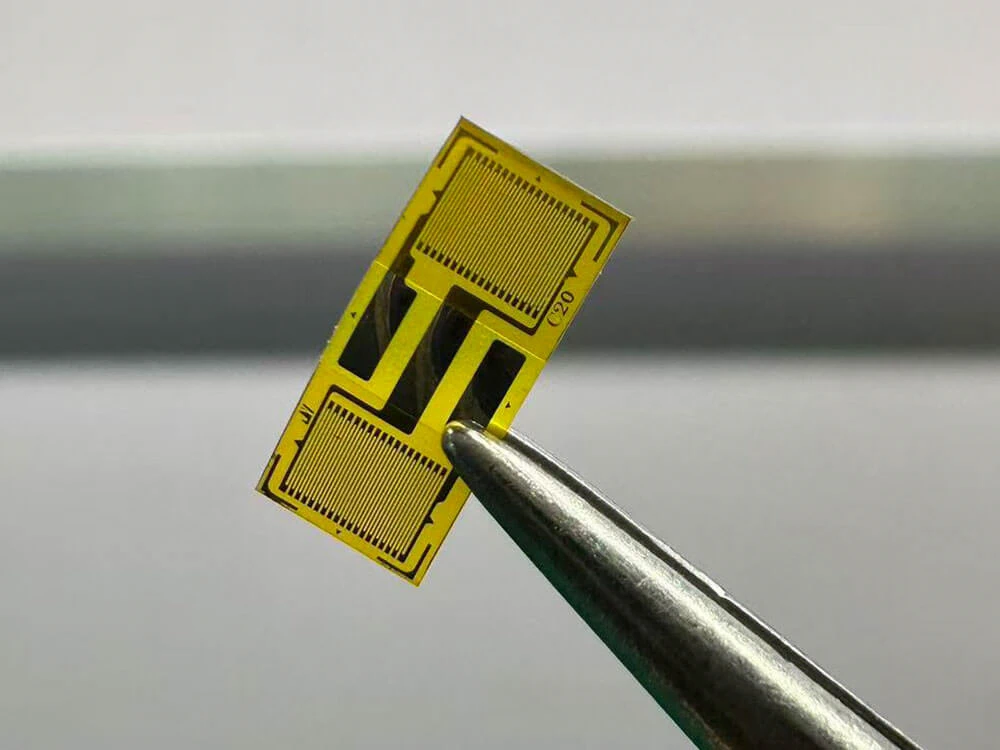
S-Class 100g load cells maintain non-linearity, hysteresis, and repeatability within ≤±0.05% R.O., ensuring consistent and reliable measurements. This high level of precision makes them well suited for jewelry weighing, pharmaceutical batching, quality inspection, and other applications requiring accurate small-load measurement.
The 100g load cell features a compact aluminum alloy design with an overall length of just 47 mm and 4-M3 mounting holes, making it easy to integrate into portable devices, compact dosing systems, and other space-constrained equipment. Dimensional customization is also available to accommodate different installation and mounting requirements.
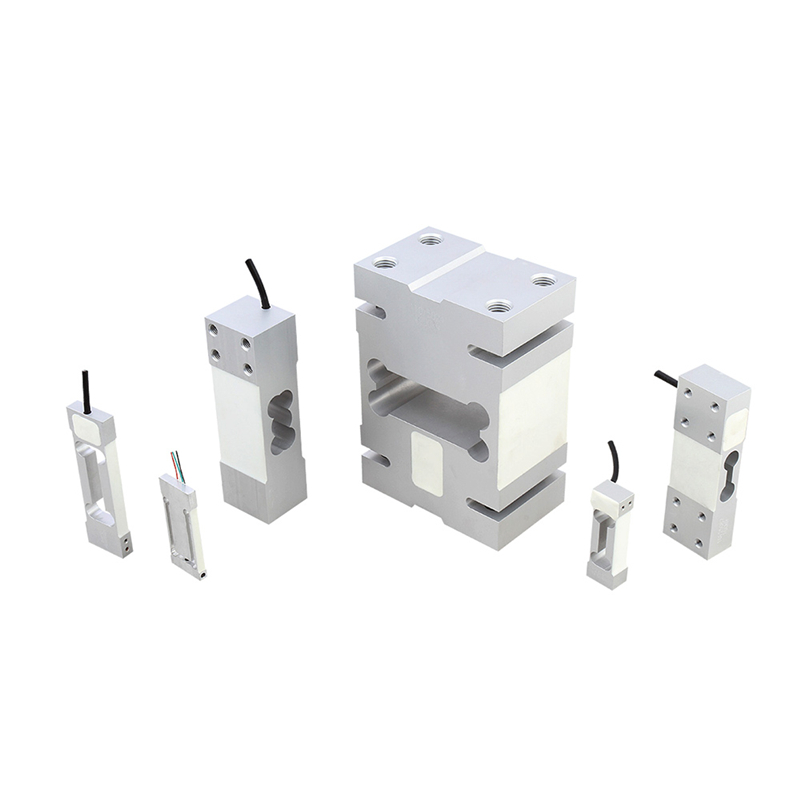
A 100g load cell comes in a variety of structural forms to meet different equipment requirements. In the low-force measurement field with a 100g capacity, however, the available structural designs are constrained by size and deflection limits. Currently, the four mainstream commercial structures in this range are: single point, bending beam, S-type, and compression. Each structure offers unique design features and application scenarios. Below, we will introduce each of these four structures and their characteristics to help you select the right type for your specific equipment needs.
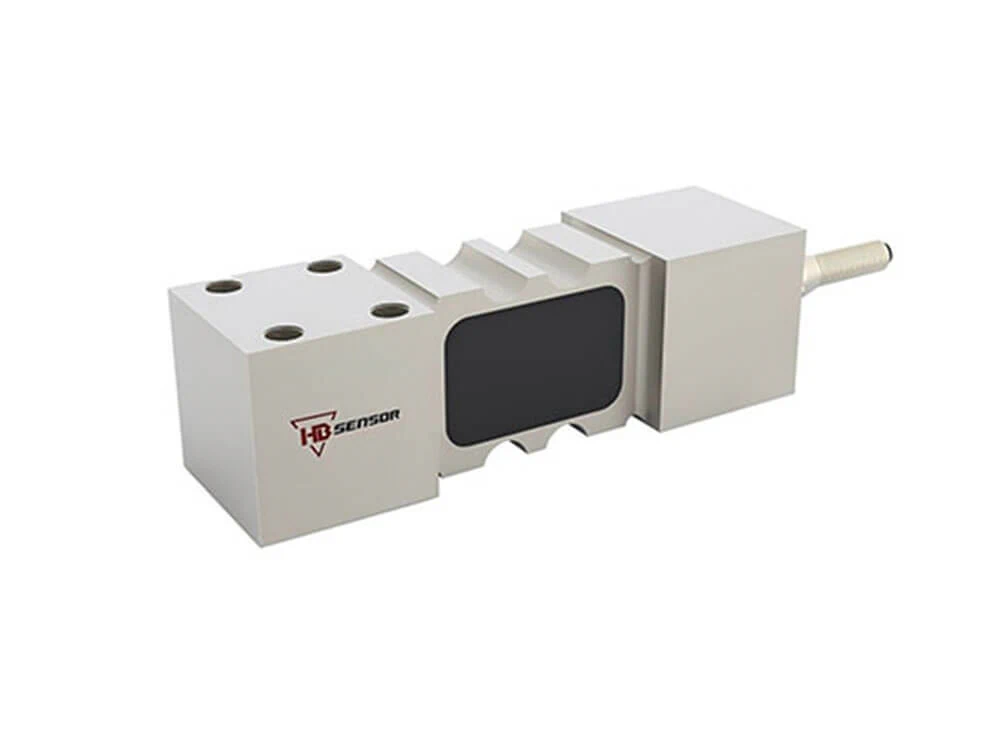
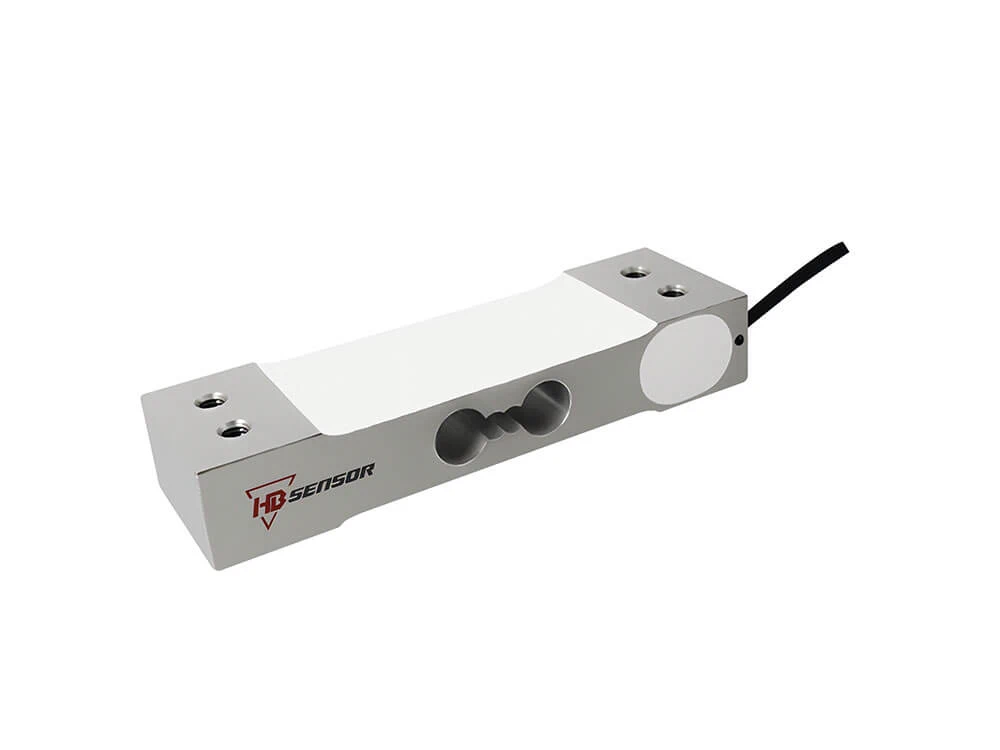
Commonly used in small electronic scales, jewelry scales, and kitchen scales. Its key advantage is excellent off-center load compensation—even if the object being weighed is not placed exactly in the center of the scale platform, it still delivers high-precision measurements. This allows a single sensor to achieve accurate weighing without the need for multiple sensors working together.
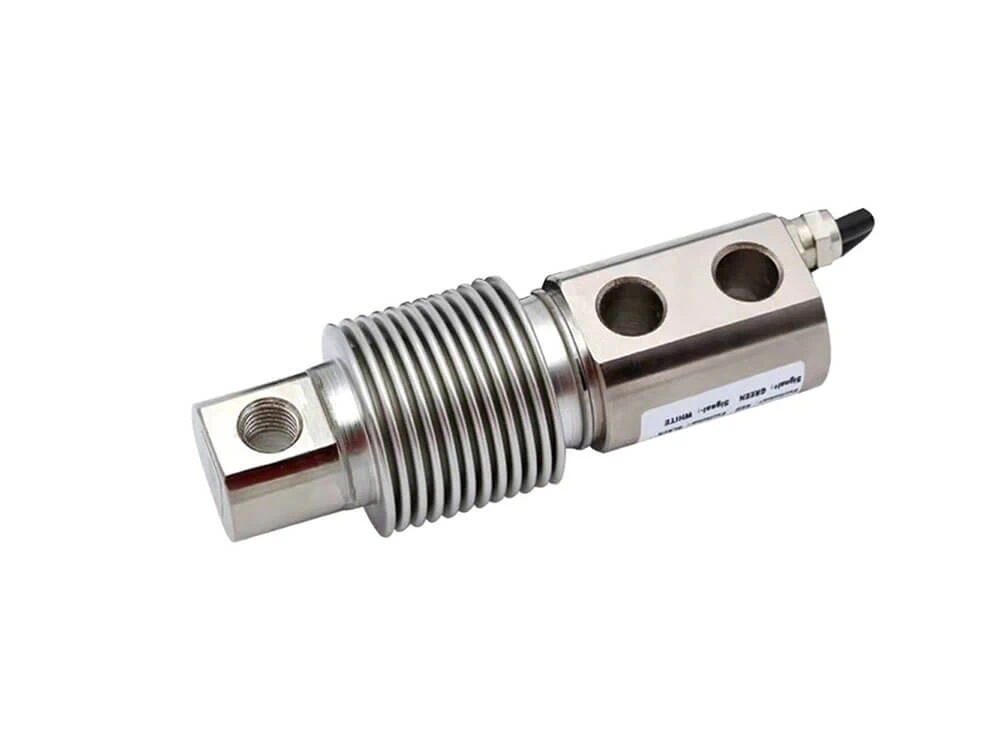
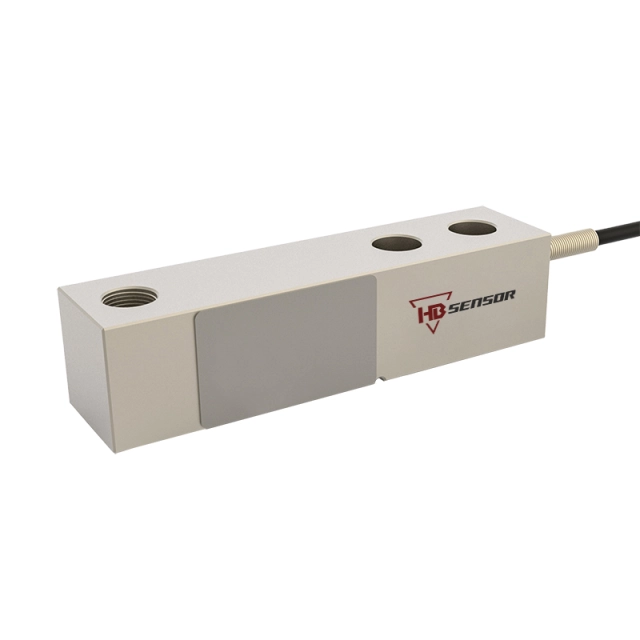
Known for its compact size, this load cell can be easily integrated into space-constrained equipment such as coffee machines and dosing devices. It works by measuring the strain generated when a force causes the beam element to bend, and then calculating the applied force based on that strain.
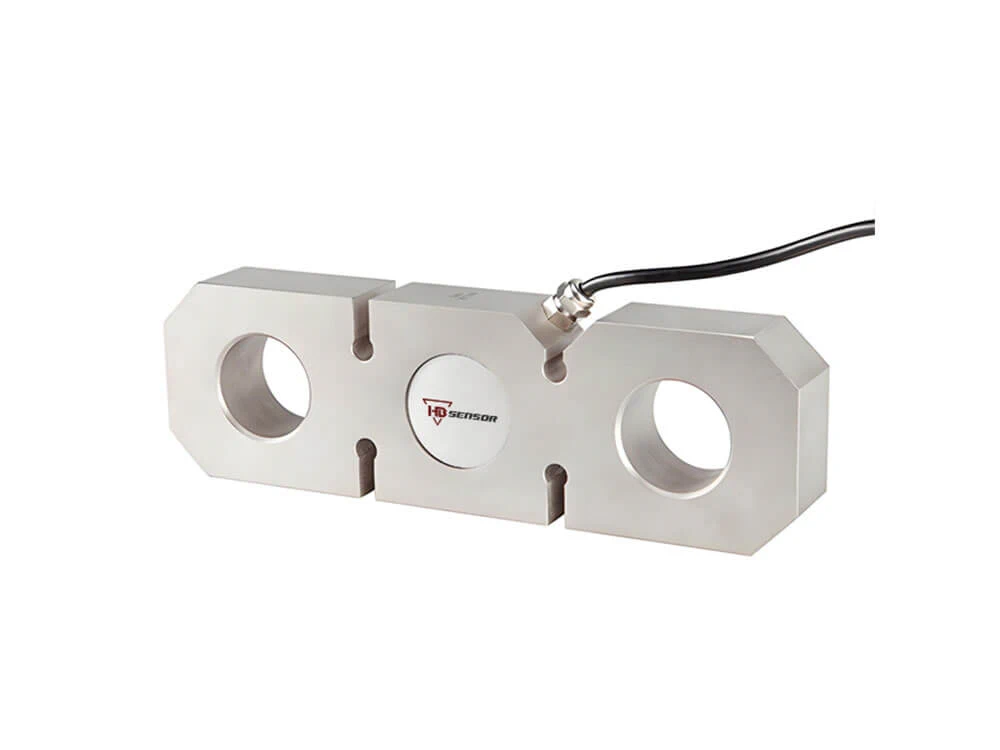
Featuring an “S” shape, this load cell can measure both tension (e.g., in hanging scales) and compression (e.g., in press-fit machines). It is simply installed in-line with the load path. With fast dynamic response, it is ideally suited for applications requiring real-time force feedback, such as automation equipment, test fixtures, medical devices, and tensile testing.
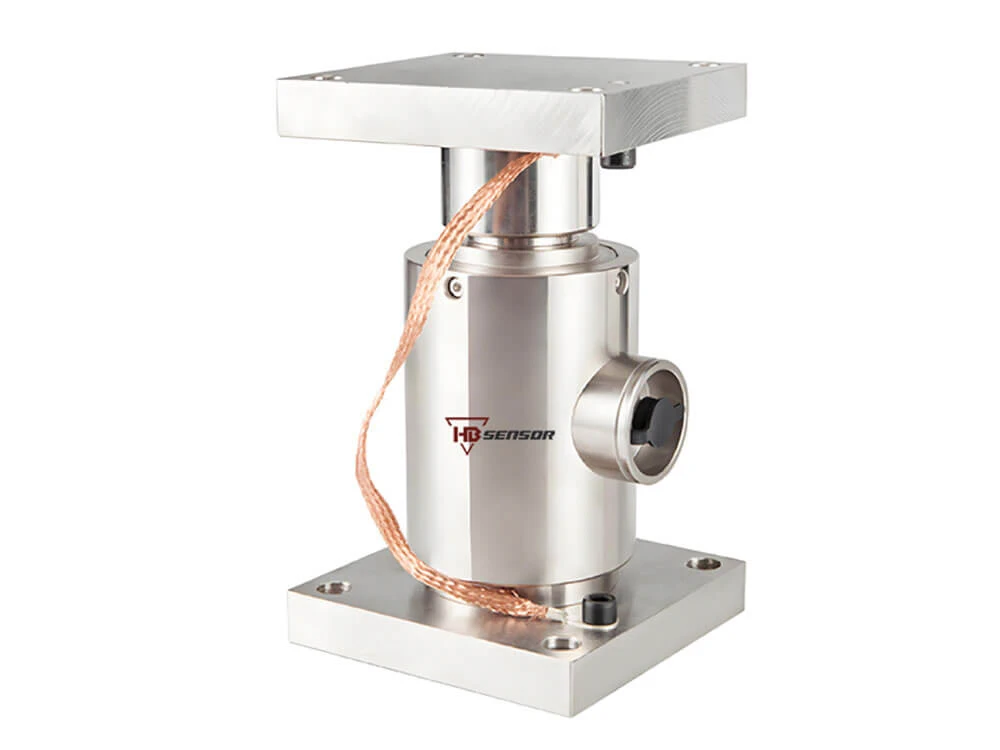
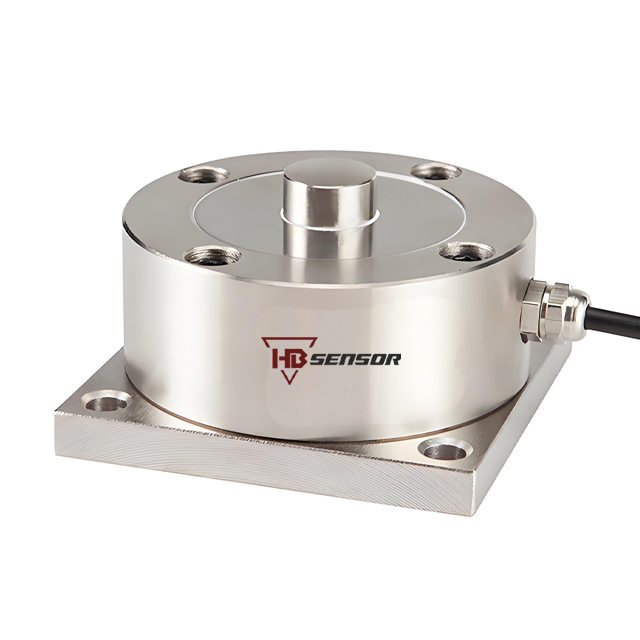
Featuring a low-profile, button-like or cylindrical shape, this load cell is specifically designed for pure compression measurement in vertically constrained spaces. Although it is less common in the 100g range compared to the other three types, it is a highly reliable choice for applications such as force monitoring in compact mechanical assemblies and press-fit applications.
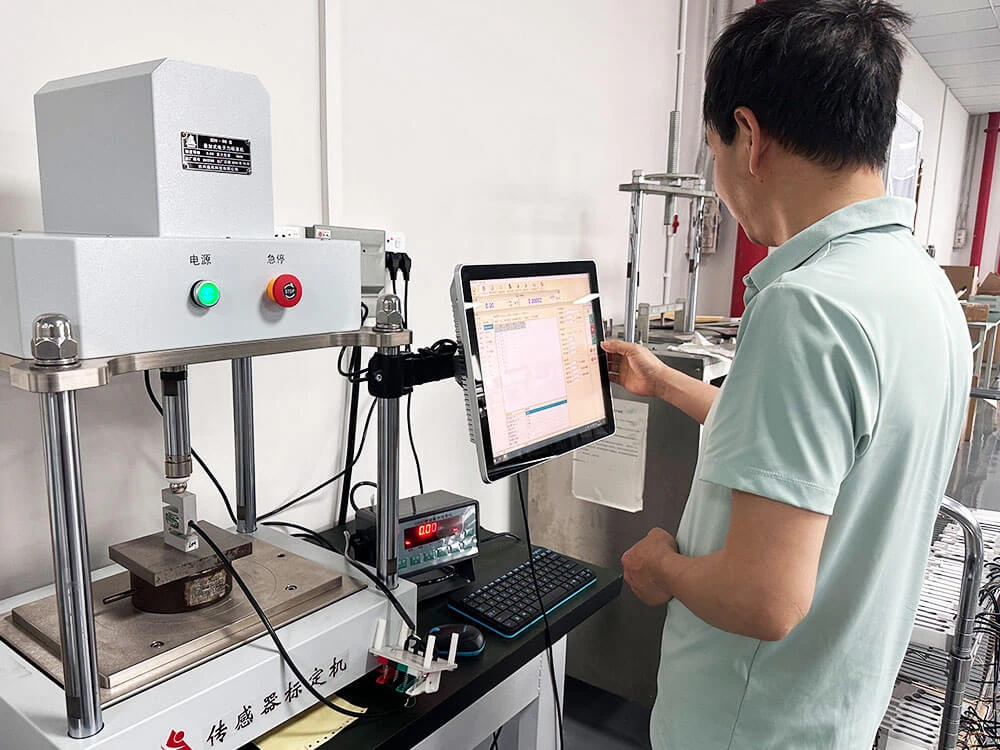
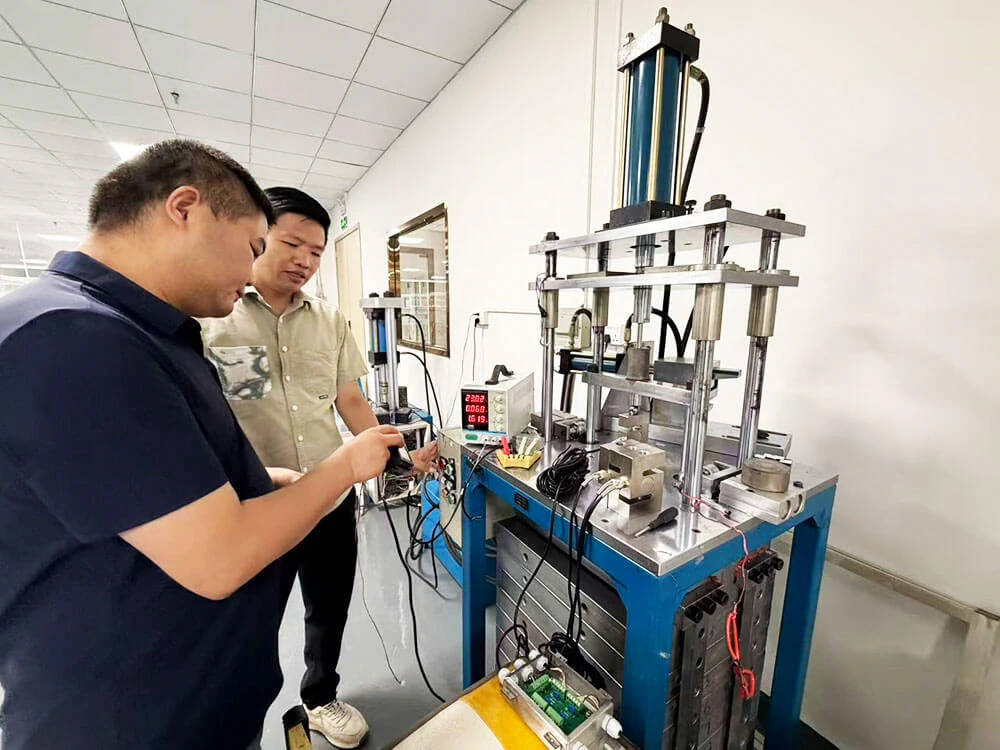
As a manufacturer, we follow a strict manufacturing process for every 100g load cell. From aluminum alloy elastomer machining and strain gauge bonding to bridge assembly, temperature compensation, and final performance testing—the entire process is completed in-house to ensure S-Class accuracy and long-term reliability. In addition to the standard 100g load cell capacity, this series is also available in options ranging from 150g to 1000g. As a direct factory supplier, we support cable length customization and provide technical support for your integration needs.
Our 100g load cell series covers five core models—each optimized for different installation spaces, measurement methods, and application needs. All models deliver S-Class accuracy (≤±0.05% R.O.) and support customization for seamless system integration.
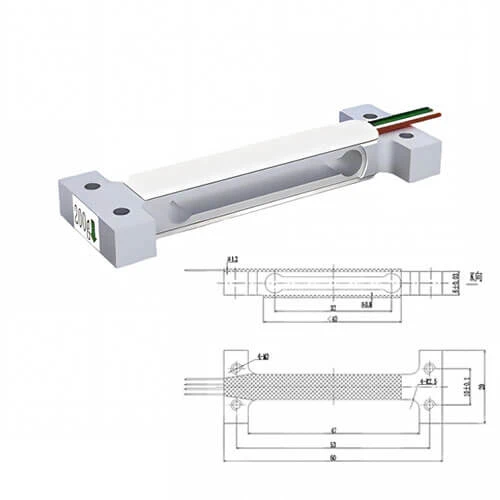
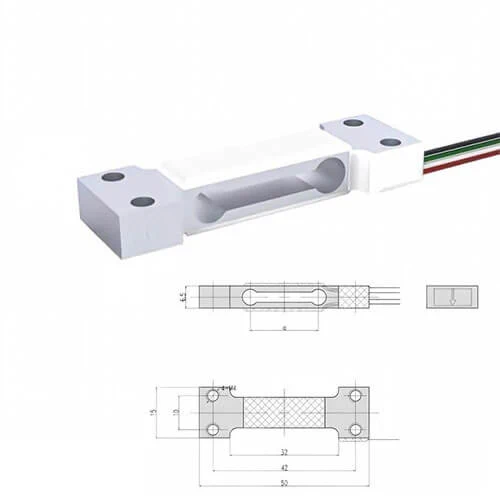
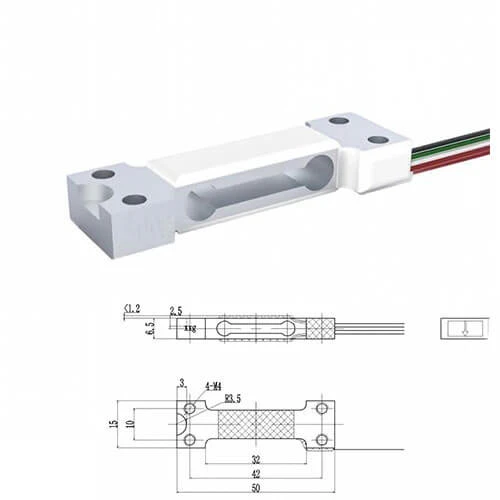
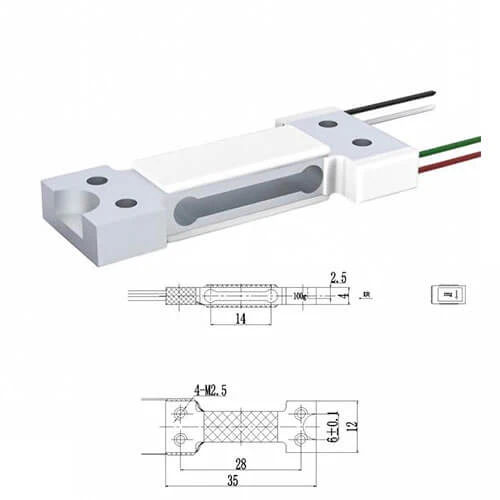
For those who are unfamiliar with selecting a 100 gram load cell, resolution and accuracy are two easily confused concepts. They are fundamentally different, and confusing the two can lead to an incorrect assessment of measurement performance and ultimately affect equipment performance. Understanding the difference is therefore important when choosing the right load cell.
This can be understood as “how finely a measurement can be read.” Think of a 4K display, which produces a more detailed image than a standard display. The same principle applies to weighing: a scale that can display changes of 0.01g has higher resolution than one that can only display changes of 0.1g. However, higher resolution does not necessarily mean higher accuracy. Just as a high-definition display cannot make a blurry video source clearer, higher resolution cannot make an inaccurate measurement more accurate.
Our 100g load cell uses a standard 4-wire output and can be integrated with high-resolution weighing instruments or signal acquisition systems. Simply put, the load cell primarily determines measurement accuracy, while the instrument and signal-processing system affect how finely the measurement can be displayed.
This refers to “how accurately the weight is measured.” It is typically expressed as a percentage of rated output (R.O.) and is related to performance factors such as non-linearity, hysteresis, and repeatability. For a 100g load cell, ±0.05% R.O. corresponds to an error range of ±0.05g, which is roughly the weight of a grain of rice. This level of accuracy is suitable for applications that require precise weighing, such as jewelry scales and laboratory weighing equipment.
As a manufacturer, Dongguan Haibo offers 100g load cells with S-class accuracy, with non-linearity, hysteresis, and repeatability controlled to ≤±0.05% R.O. Each sensor is factory-calibrated and electrically tested before shipment. We also support bulk customization and can provide CE and RoHS certificates.
From precision weighing in kitchen scales and coffee machines to sophisticated force control in automation equipment and medical devices—the 100g load cell, with its high sensitivity and excellent repeatability, has become a core component in a wide range of light-duty measurement applications. A quality sensor not only ensures measurement accuracy but also provides reliable assurance for stable equipment operation and consistent product quality.
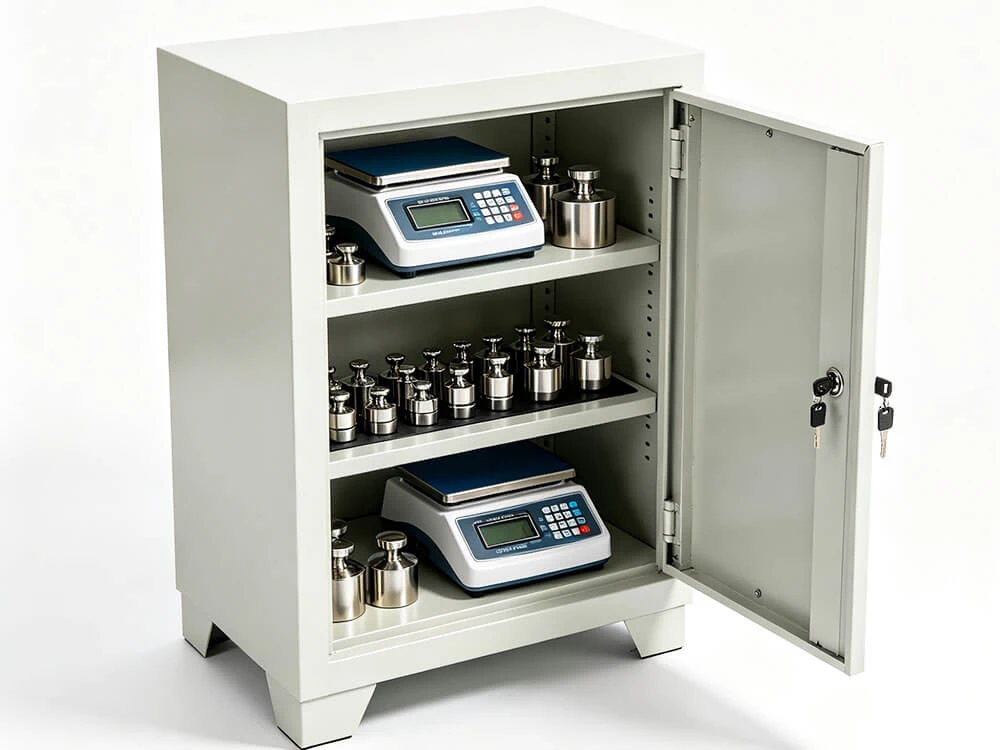
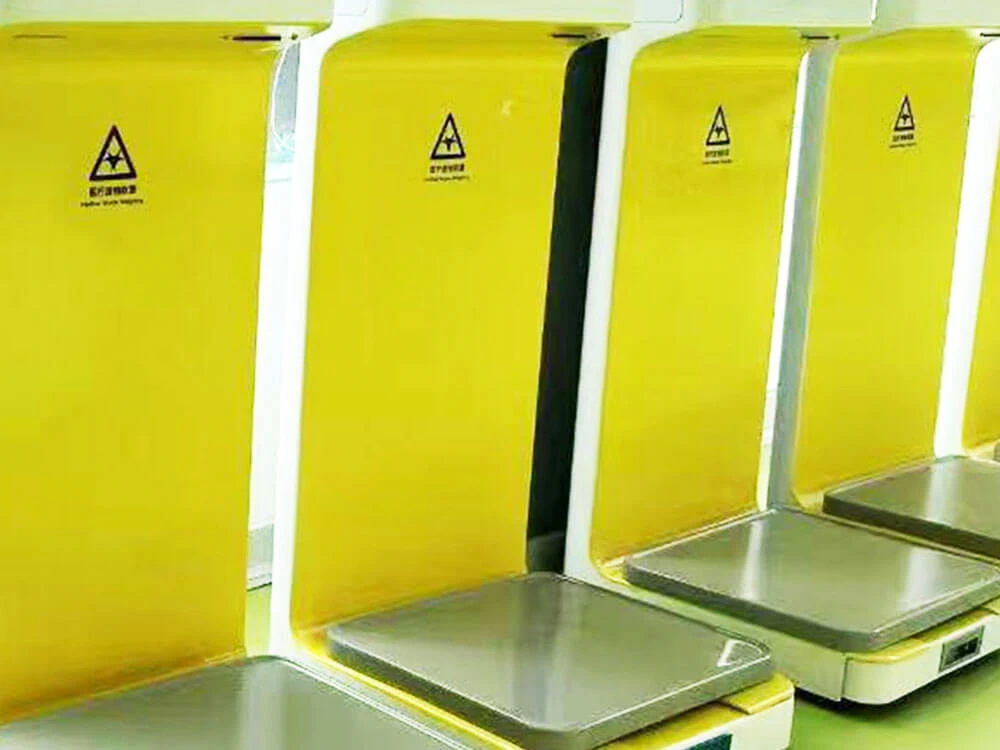
Small electronic scales are a common application for a 100g load cell. With a 100g rated capacity, it is well suited for weighing lightweight items and provides the sensitivity and repeatability needed for precision weighing applications.
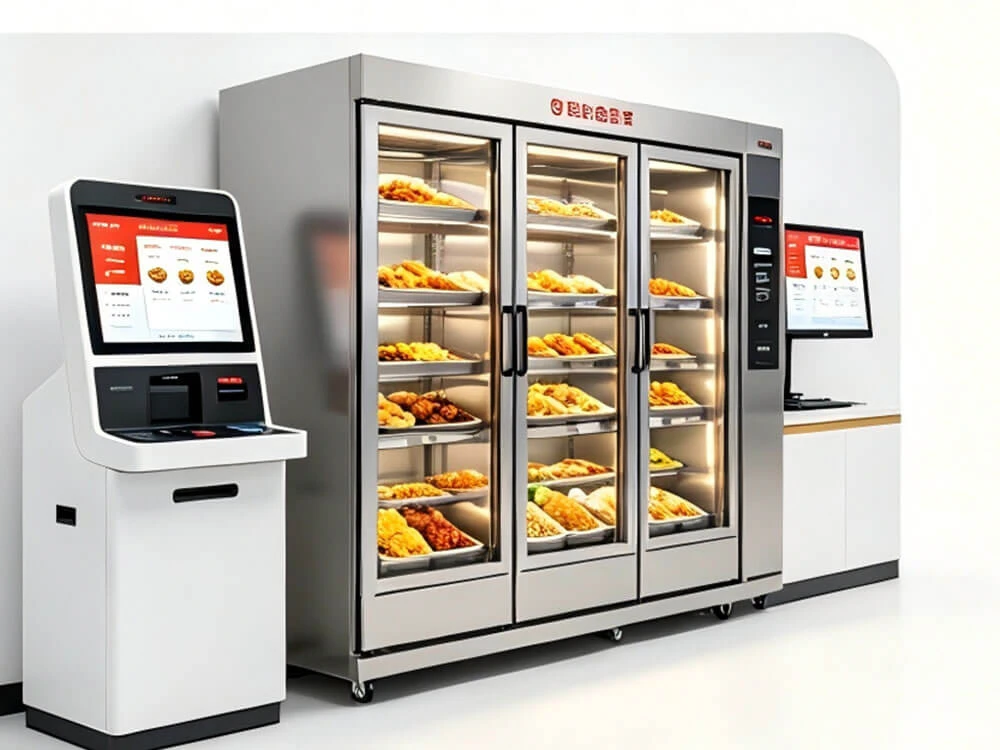
Continuous monitoring of small weight changes is essential for smart shelves and inventory monitoring systems. A 100g load cell can detect subtle changes in product weight in real time, helping track inventory changes and identify unusual conditions, such as items being removed, misplaced, or added.
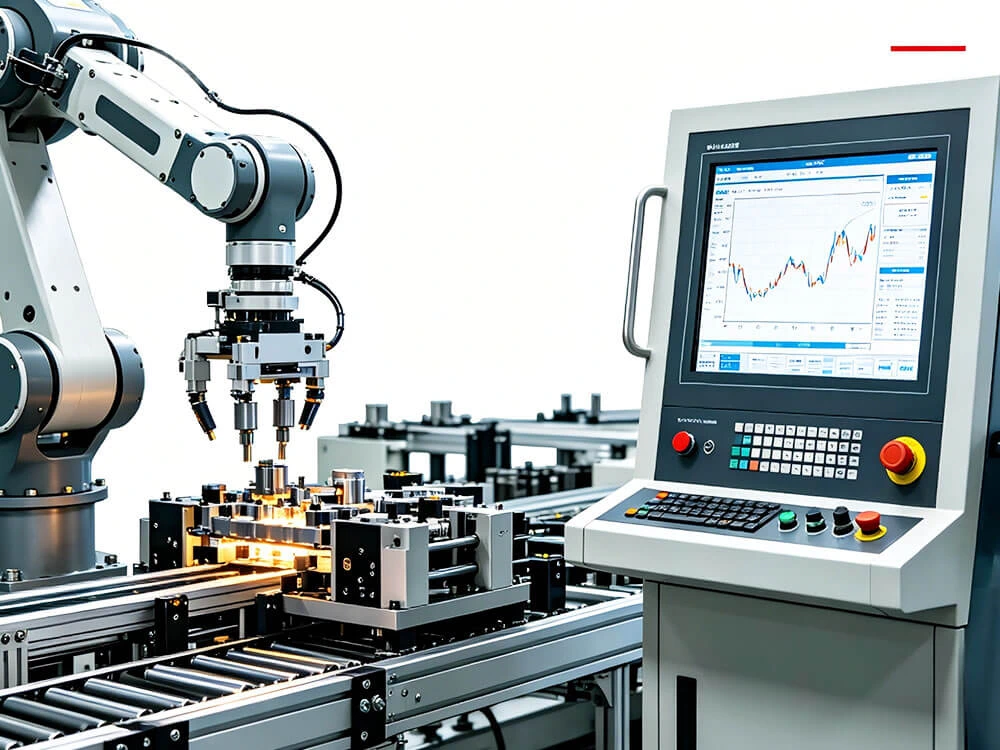
A 100g load cell acts like a “sense of touch” for automated equipment, detecting subtle contact forces during delicate operations such as pressing components into assemblies or handling fragile products. This real-time force feedback helps equipment apply the right amount of force and reduce the risk of product damage.

Test fixtures often need to measure small forces accurately and consistently. A 100g load cell can be used for smartphone button force testing, precision connector insertion and extraction force testing, and force testing of fragile components. Integrated with test fixtures, it converts applied force into real-time electrical signals, providing reliable force data for the testing system.
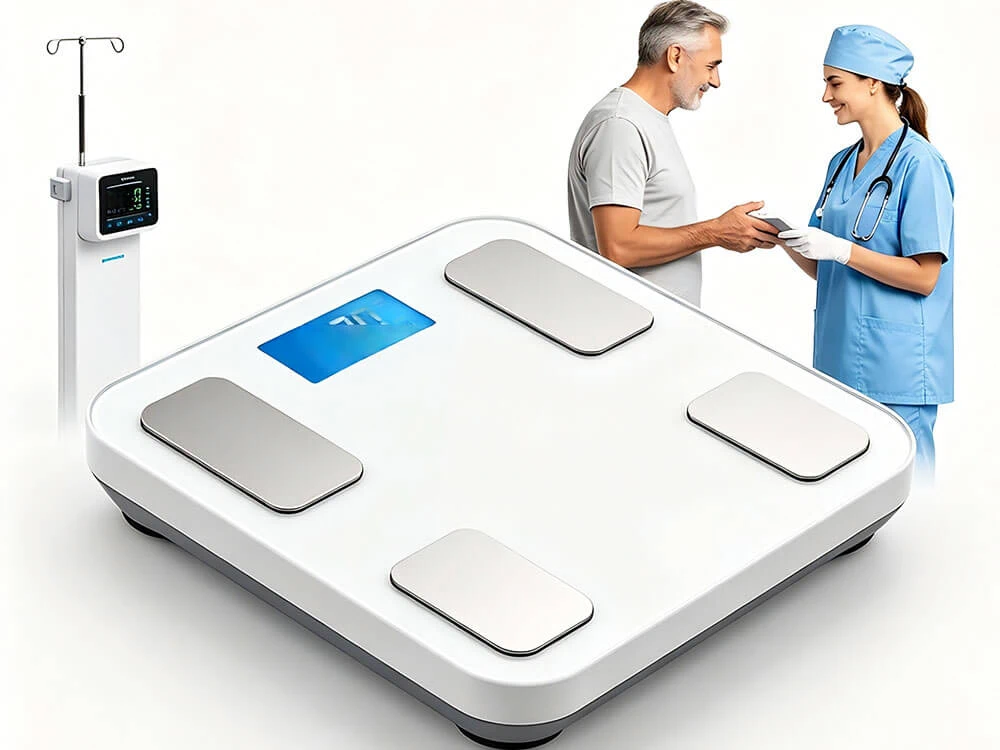
Many medical devices require precise monitoring of small forces during operation. A 100g load cell is suitable for force measurement in equipment such as infusion pumps, syringe pumps, and dental instruments. It converts applied force into real-time electrical signals, providing reliable force data for equipment control and testing to support precise operation and reliable performance.
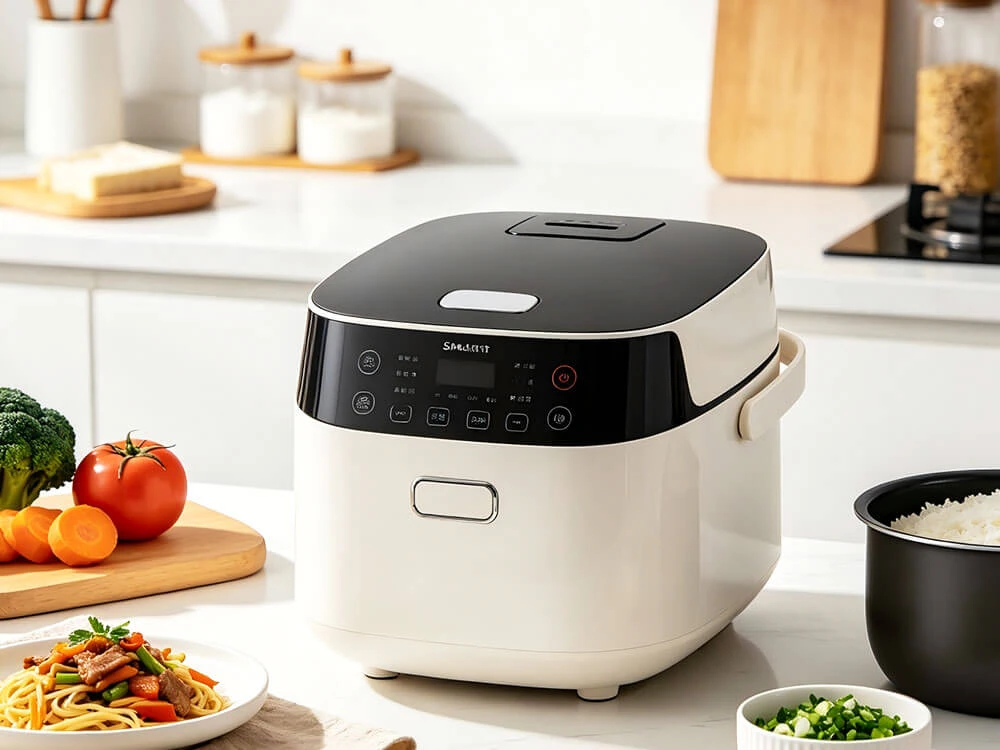
Many appliances, such as coffee machines and compact dosing equipment, require precise measurement of small amounts of ingredients or materials. With its low rated capacity, a 100g load cell can sensitively detect subtle changes in weight, providing reliable weight data for precise dosing and automated control.
As a manufacturer, we offer this 100g load cell as a standard 4-wire load cell, using a Wheatstone bridge configuration with separate excitation and signal leads. The clearly defined load cell wire colors make it easy to identify each connection and simplify load cell wiring when integrating the sensor with a weighing module or signal conditioning board. The complete wiring details and pinout are provided below for easy reference.
| Wire Color | Pin Definition | Function |
| 🔴 Red | Exc (+) | Positive Excitation |
| 🟢 Green | Sig (+) | Positive Signal |
| ⚫ Black | Exc (-) | Negative Excitation |
| ⚪ White | Sig (-) | Negative Signal |
HAIBOSENSOR offers flexible customization options to meet different equipment requirements. Cable length can be customized to suit specific installation layouts and simplify integration into your existing equipment. This flexibility allows us to provide a 100g load cell solution that better matches your application needs.
As a professional load cell manufacturer, we pay close attention to every aspect of our 100 gram load cell, from accuracy and product consistency to customization and compliance, helping customers achieve reliable, easy-to-integrate weighing solutions.
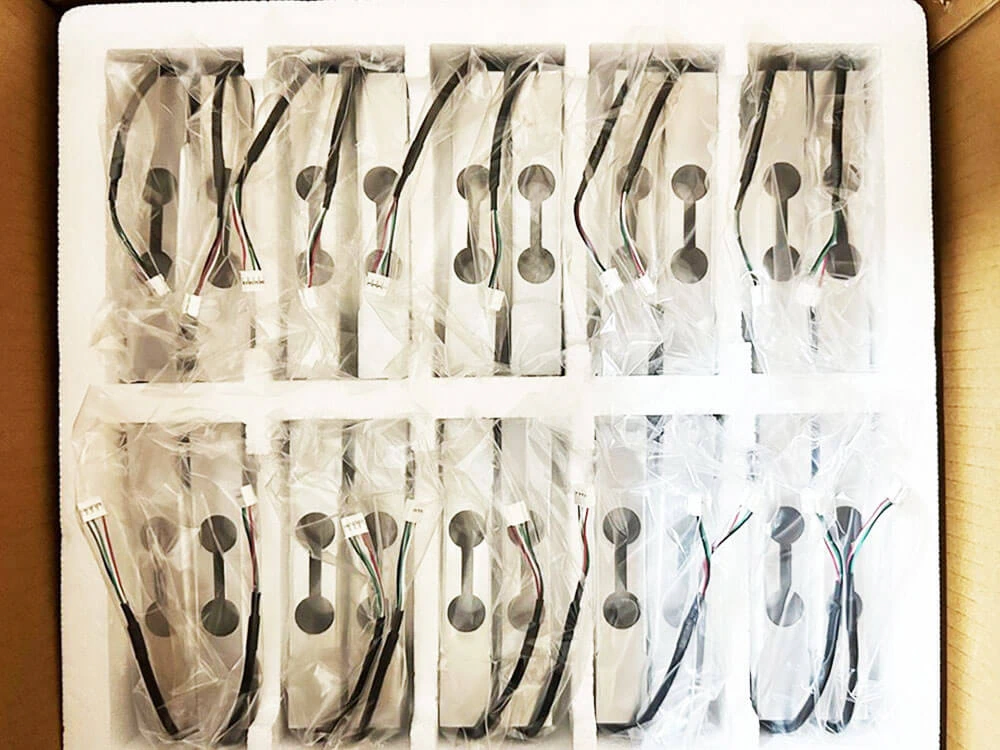
Non-linearity, hysteresis, and repeatability are all controlled within ≤±0.05% R.O., meeting S-Class accuracy standards. Whether used for jewelry weighing or laboratory analysis, our load cells provide stable and reliable measurement results.
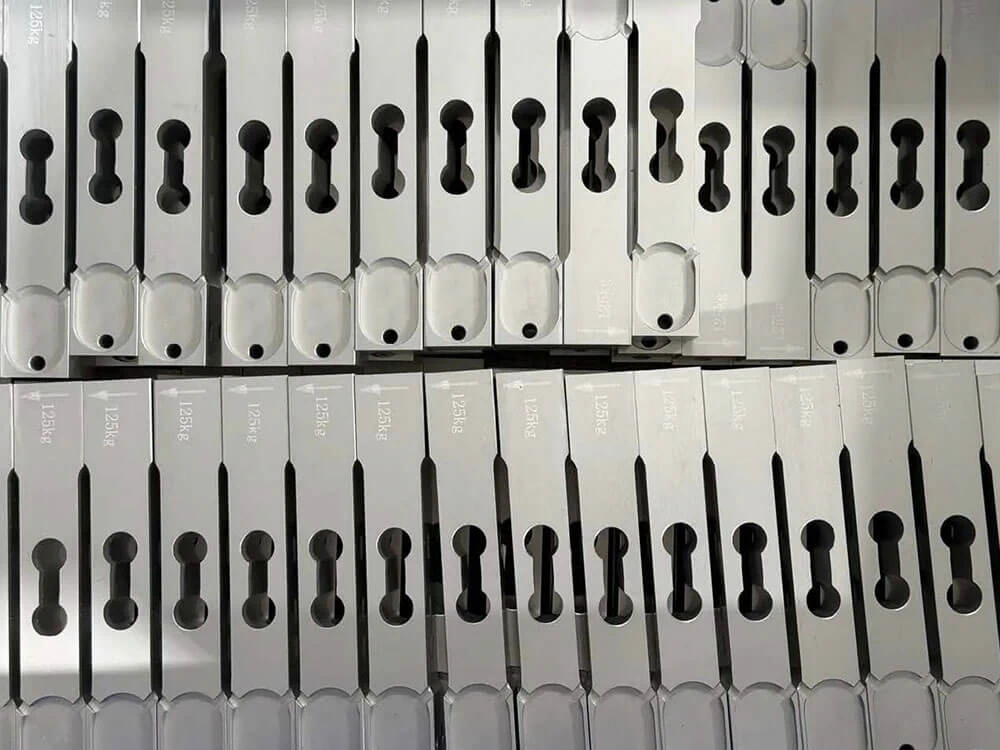
In addition to the standard 100g rated capacity, the same series is available in 150g, 300g, 500g, 750g, and 1000g capacities. This allows you to select the appropriate rated capacity based on the actual load range and meet different weighing and force measurement requirements.
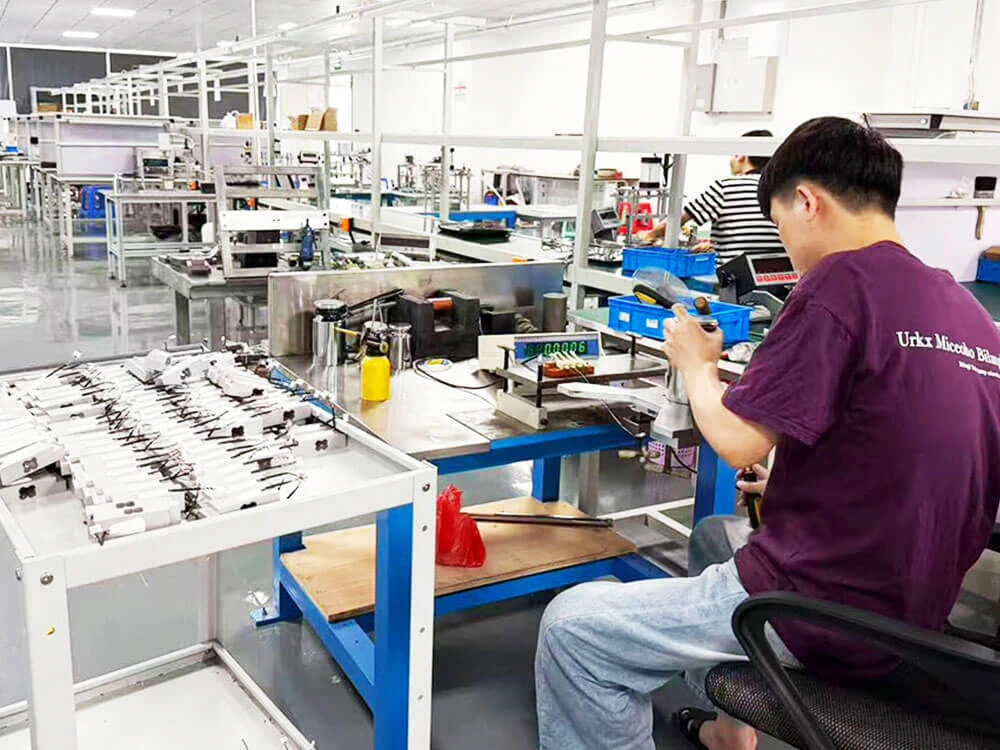
We support custom cable lengths and provide dimensional drawings, specifications, and technical support to help customers integrate the load cell with their PCB and mechanical structure more efficiently.
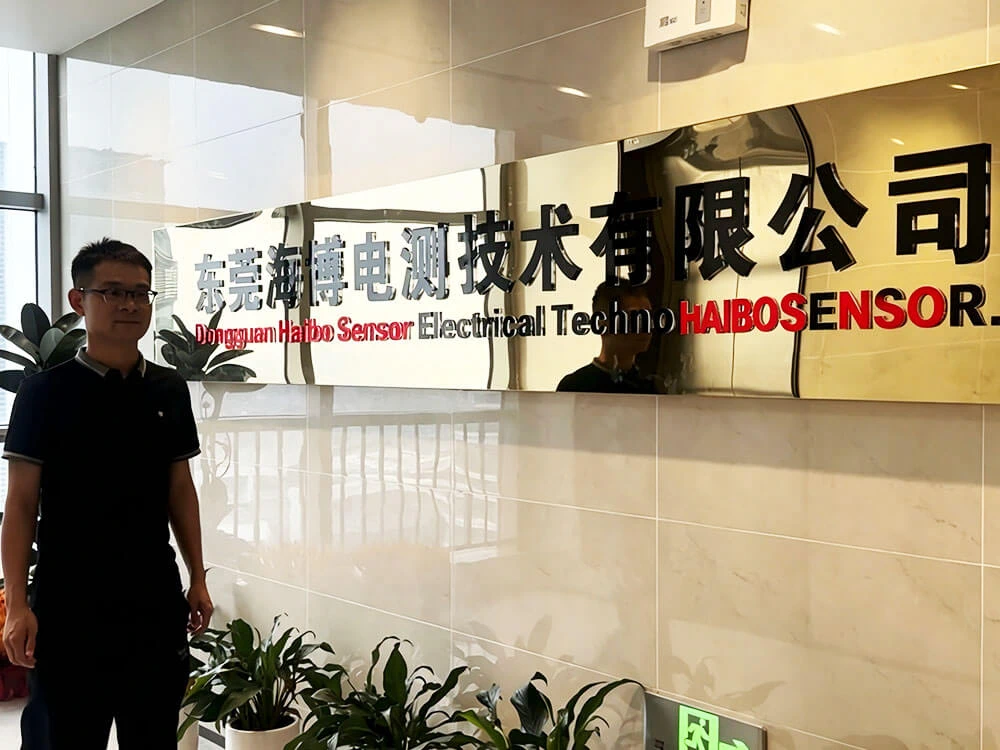
Our products comply with RoHS requirements, and CE-related certificates/documents are available to support procurement and compliance evaluation for household scales and consumer electronics.
Looking for a 100g load cell for your equipment? Haibo load cell is a choice worth considering. We offer S-Class accuracy (≤±0.05% R.O.), multiple capacity options (100g–1000g), and flexible customization for cable length and mounting dimensions. Every sensor is manufactured in-house and factory-calibrated to ensure consistent, reliable performance. Contact us today to find the right 100g load cell solution for your equipment.
As the best quality load cell sensor products manufacturer, we can provide professional solutions for any custom request. Please feel free to contact us now and we will contact you soonest.
You can get a price of this model or send us any question to get any information you would like to know, we will reply to you soonest.