
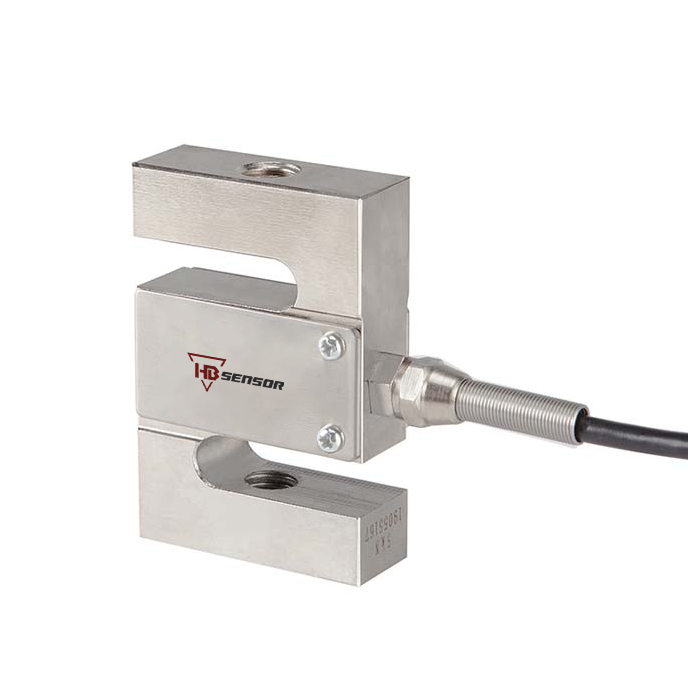
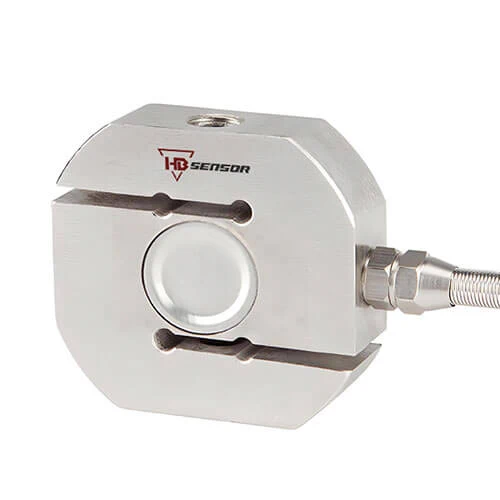
An S-beam load cell, also known as an S-type load cell, is a tension and compression force sensor shaped like the letter “S”. With a measuring range from 5KG up to 20T, it is widely used in force measurement, weighing, and automation control. Its key features include three material options: stainless steel, alloy steel, and aluminum alloy, with high strength and corrosion resistance; ability to measure both tension and compression; high accuracy, good linearity, low creep, and strong long-term stability; wide capacity range from small forces to heavy loads; easy installation via threaded or through-hole mounting; and suitability for robotics, automation systems, mixing machines, hopper scales, testing machines, and various force control applications. If your project requires S BEAM LOAD CELLS from HAIBOSENSOR, welcome to check our detailed specifications. We also provide customization for your project, and our professional engineers can help you solve all kinds of weighing problems. Feel free to contact the HAIBOSENSOR team for more information!
Now we will take a close look at the detailed dimension size and specifications of HAIBOSENSOR S-HBTLS3004 S Beam Load Cell, which covers a capacity range from 5KG to 20T for a wide range of industrial and robotic applications.

S Beam Load Cell Dimensions | HAIBOSENSOR S-HBTL30004HAIBOSENSOR S-HBTL30004 S beam load cells offer precise, industry-standard dimensions across 5kg–20t capacities. With metric/imperial threaded holes and compact S-structure, they ensure seamless installation for weighing, automation, and robotic force measurement applications.

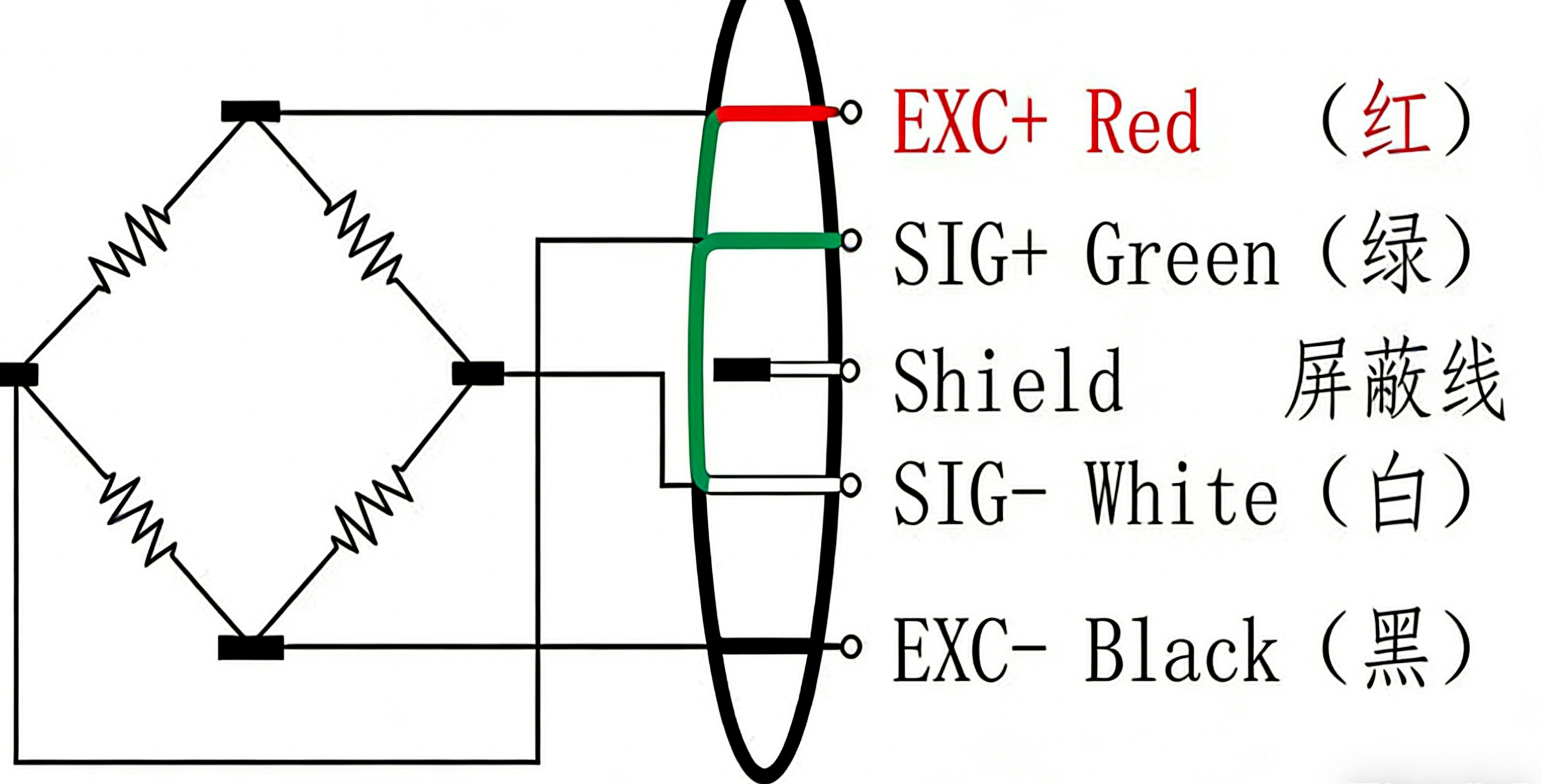
If you are very interested in S-beam load cells but also wondering about their precise manufacturing process, let us walk you through the 6-step production flow of our high-precision S Beam Load Cell.
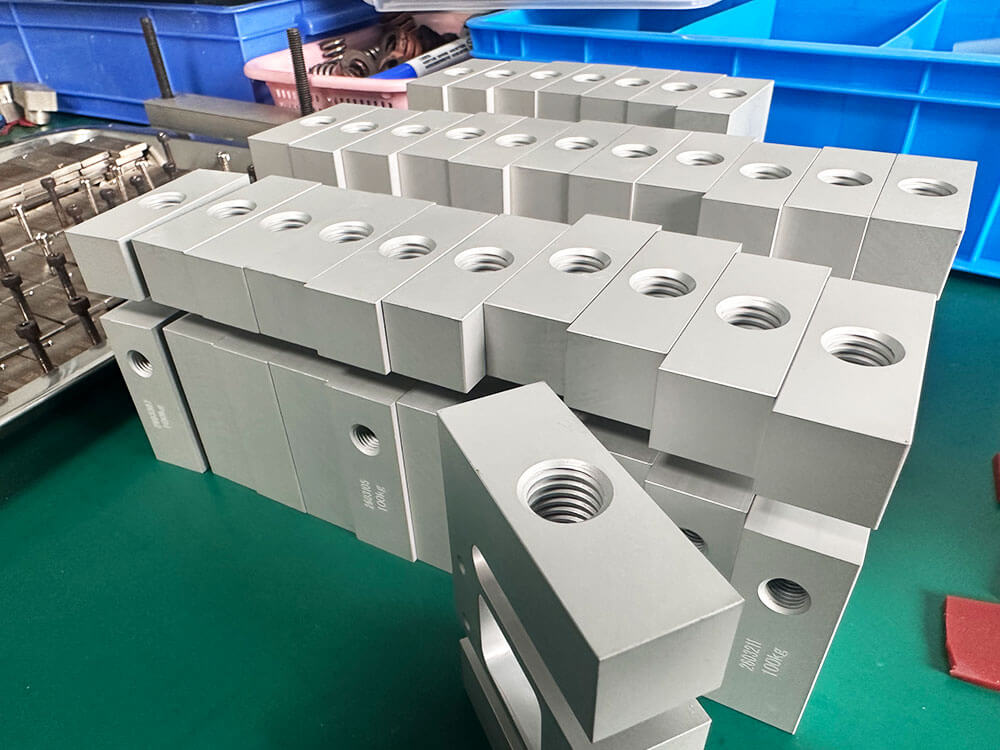
We also want to showcase the strong capability of our factory workshop! We are fully capable of mass production and large monthly deliveries, and we can customize any type of S BEAM LOAD CELL according to your requirements.
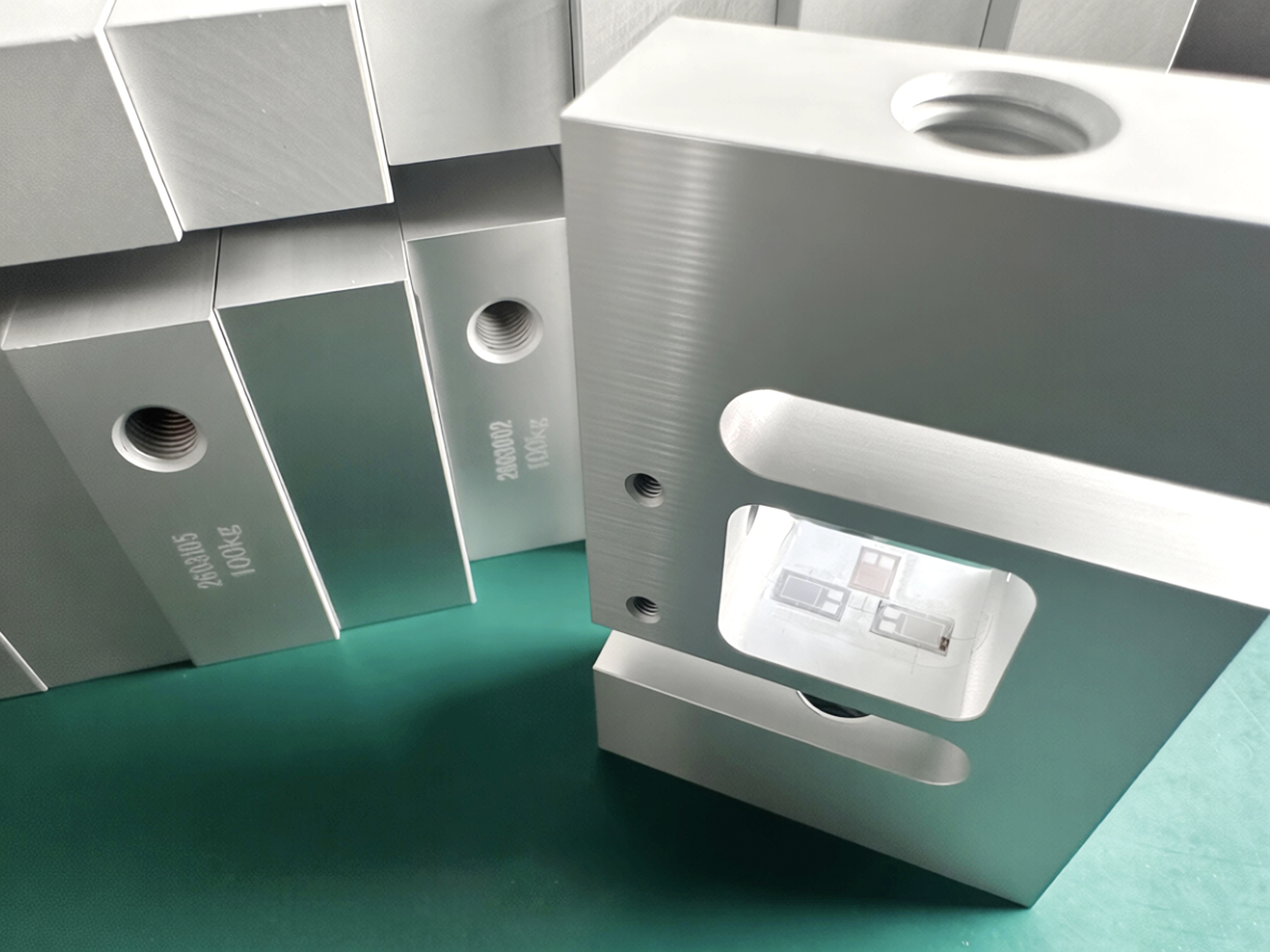
Complete the production and assembly of HAIBOSENSOR S-type load cell, ensure product specifications and accessories comply with standard requirements.Inspect all raw materials for HAIBOSENSOR S-type load cell, check material hardness, size and quality to meet production standards, reject defective materials.
Machine the raw materials by professional equipment, finish cutting, grinding and shaping to make standard S-type structure for HAIBOSENSOR load cell.
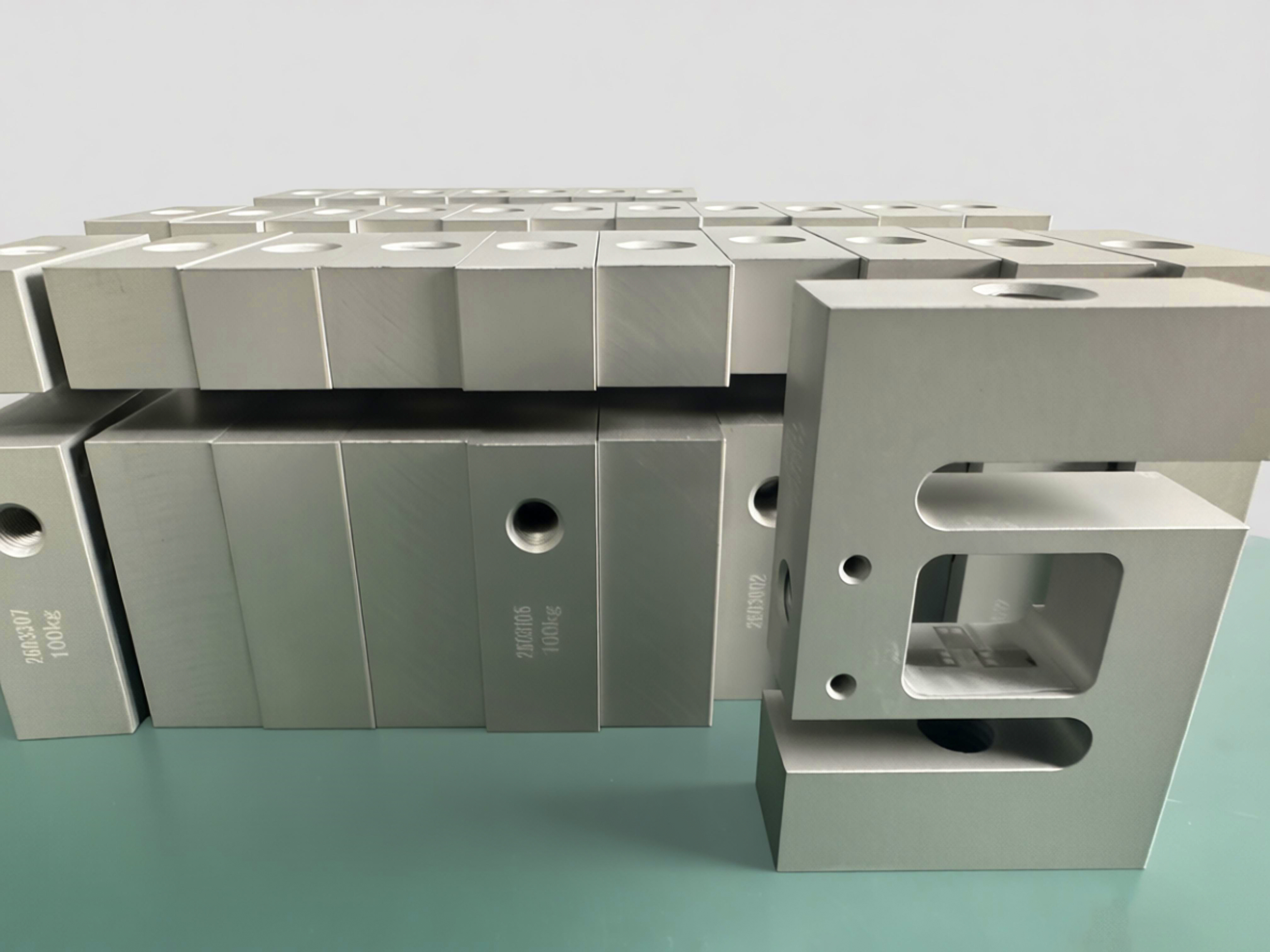
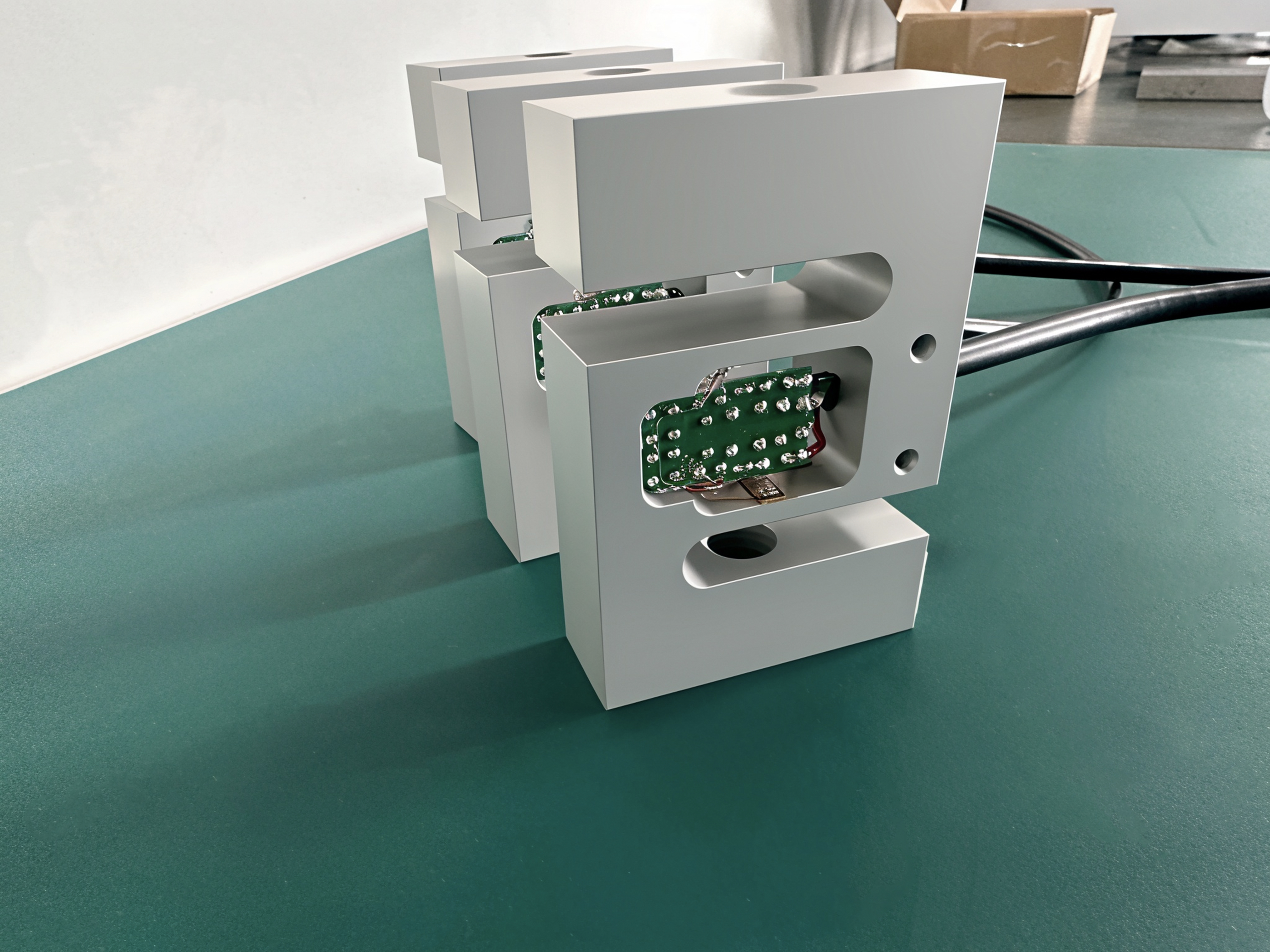
ssemble strain gauges, wires and accessories on the machined S-type frame, fix all parts firmly to complete the preliminary assembly of HAIBOSENSOR product.
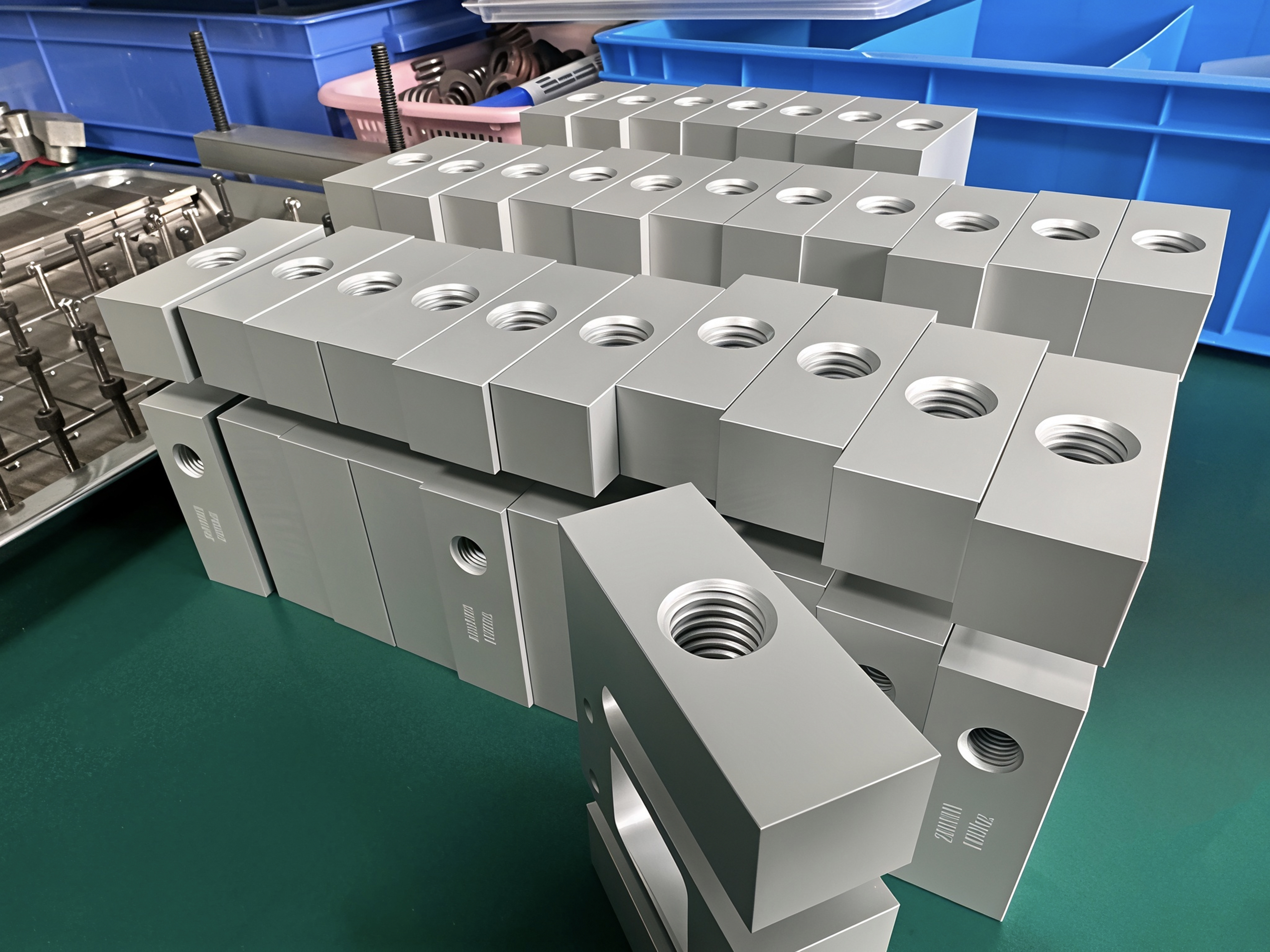
Perform glue filling, sealing and surface anti-corrosion treatment for HAIBOSENSOR S-type load cell to improve waterproof and dustproof performance.
Carry out zero calibration, precision test and pressure test on finished HAIBOSENSOR load cells to ensure measurement accuracy and stability.
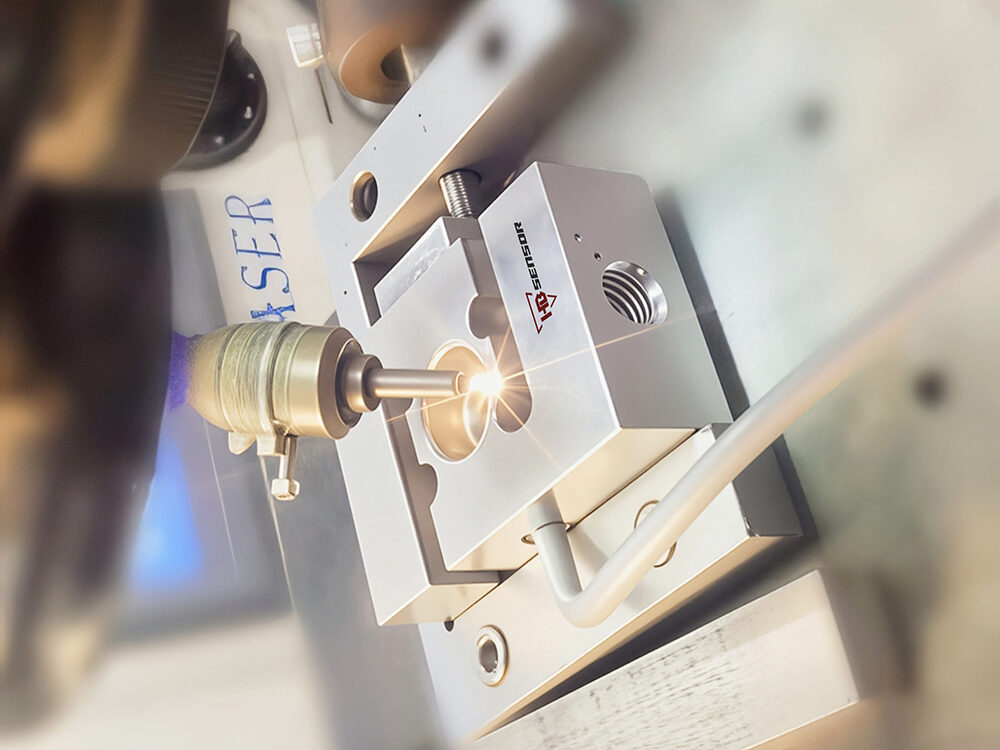
Sort qualified HAIBOSENSOR S-type load cells, label specifications, pack products strictly and prepare for shipment and sales.
Tension load cells are available in both large and small measuring ranges. They are typically made from three materials: aluminum alloy, alloy steel, and stainless steel. Selection should be based on actual working conditions and cost performance. There is no absolute best option, only the most suitable one for your application.
You can get a price of this model or send us any question to get any information you would like to know, we will reply to you soonest.