
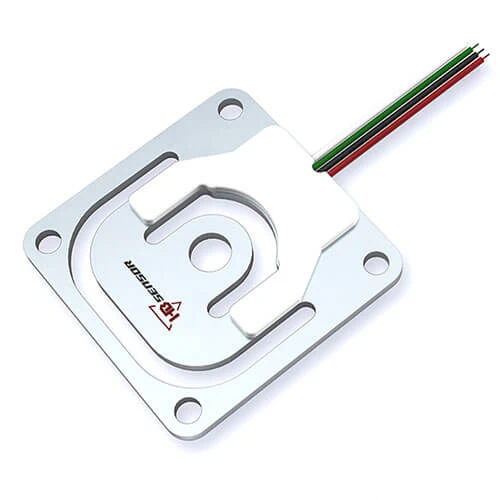
Bathroom scale load cell is a key weighing component used in a digital bathroom scale, converting applied weight into an electrical signal for accurate weight measurement. Traditional bathroom scales primarily relied on mechanical mechanisms such as springs and levers, while the development of electronic weighing technology enabled load cells to become an essential component of modern digital scales.
As a professional bathroom scale load cell manufacturer, HAIBOSENSOR specializes in producing high-accuracy bathroom scale load cell solutions designed to help manufacturers develop accurate bathroom scales with precise and reliable weight measurement. Our load cells can be customized according to your required load capacity, dimensions, mounting structure, and other technical specifications.
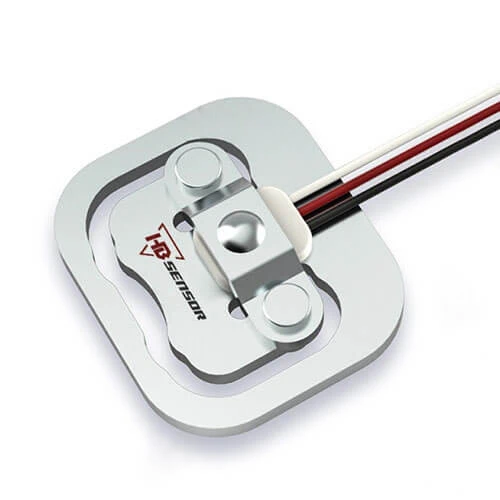
A bathroom scale load cell acts as the core sensing component in a digital bathroom scale, converting the mechanical load applied to the scale into an electrical signal. When you step onto an electronic bathroom scale, the load causes the load cell’s elastic element to undergo a very small deformation. This deformation creates tensile or compressive strain in the strain gauges bonded to the elastic element, causing their electrical resistance to change slightly. The Wheatstone bridge circuit then converts these resistance changes into a differential voltage signal. After signal amplification and processing by the scale’s electronics, the measured load is converted into the body weight displayed on the screen.
The specifications of a bathroom scale load cell directly affect weighing accuracy and overall performance. The table below summarizes key parameters, including rated capacity, accuracy class, precision, and electrical characteristics. As a factory-direct manufacturer, we also support customization of capacity, dimensions, accuracy, and mounting configurations.
| Rated Capacity (per load cell) | 150–200kg |
| Accuracy Class | S-Class |
| Rated Output | 4-wire Wheatstone bridge: Exc (+), Sig (+), Exc (-), Sig (-) |
| Non-linearity | ≤±0.05% R.O. |
| Hysteresis | ≤±0.05% R.O. |
| Repeatability | ≤±0.05% R.O. |
| Material | Aluminum Alloy;Customizable Stainless Steel |
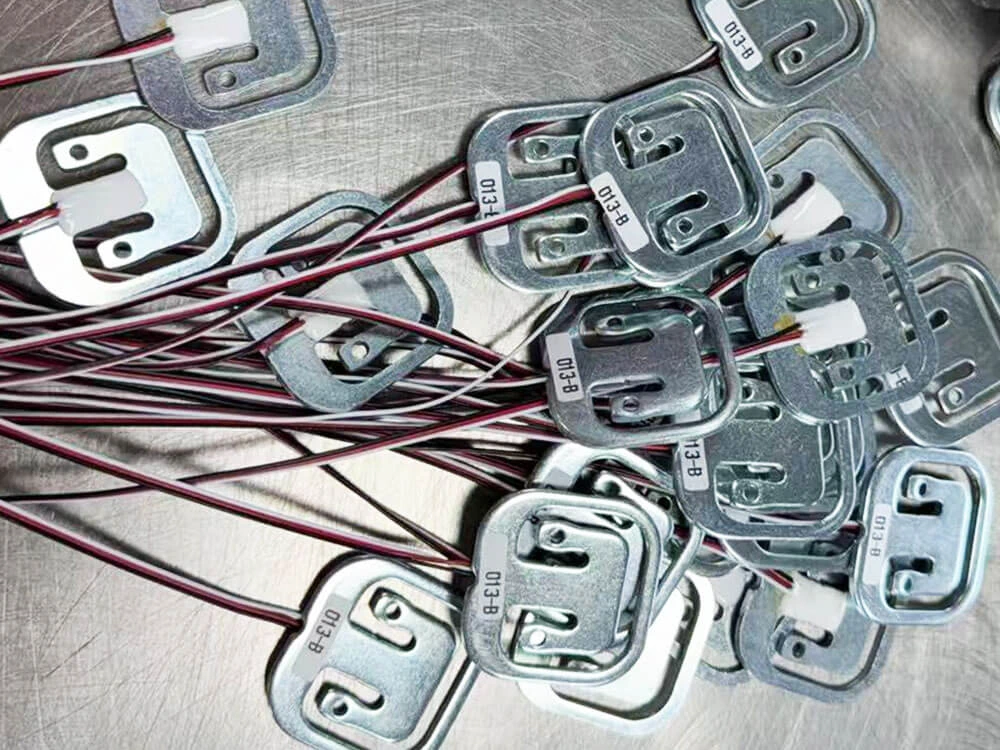
With more than 10 years of manufacturing experience, we are a professional load cell manufacturer offering customized bathroom scale load cells in different dimensions, capacities, and specifications to meet customer requirements. Our products are supplied to customers in markets worldwide. As a factory-direct manufacturer, we provide consistent product quality and competitive pricing. From elastic element machining and strain gauge bonding to assembly, calibration, and final load cell testing, every stage of the manufacturing process is subject to strict quality control to ensure each product meets our requirements before shipment.
150 kg load cells are commonly used in bathroom scale applications. However, selecting the right bathroom scale load cell capacity should not be based solely on the scale’s maximum weighing capacity. Other factors, including the number of load cells, load distribution, dynamic loading, required safety margin, and overload protection, should also be considered to ensure reliable measurement performance and mechanical safety. The following three capacity ranges provide a practical reference for selecting the right load cells for different bathroom scale designs.
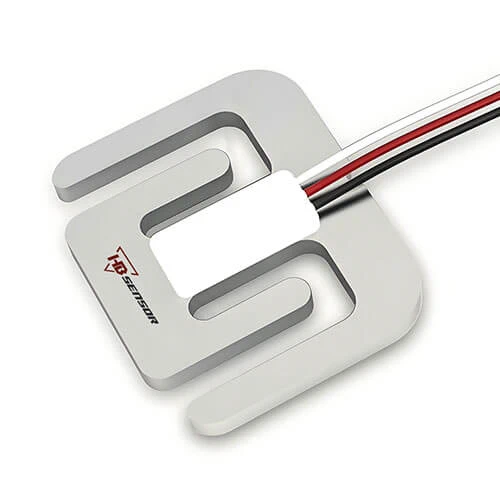
For bathroom scales with a maximum weighing capacity of up to 150 kg, the appropriate load cell capacity can be selected based on the number of sensors and the scale’s mechanical design. For example, a 100 kg bathroom scale equipped with four load cells would theoretically place an average load of about 25 kg on each sensor under evenly distributed loading. In actual use, however, off-center loading, dynamic impacts, and the required safety margin must also be considered. Therefore, each load cell should have sufficient rated capacity rather than being selected based solely on the theoretical 25 kg load.
This capacity range is suitable for common household bathroom scales and can also be used in weighing equipment for public settings such as gyms and hotels. For example, a 200 kg bathroom scale equipped with four load cells would place an average load of about 50 kg on each sensor under evenly distributed loading. A 50kg load cell may therefore be considered as a starting point, but the final rated capacity should be selected with sufficient margin to account for off-center loading, dynamic impacts, and other safety requirements, ensuring long-term measurement stability and reliability.
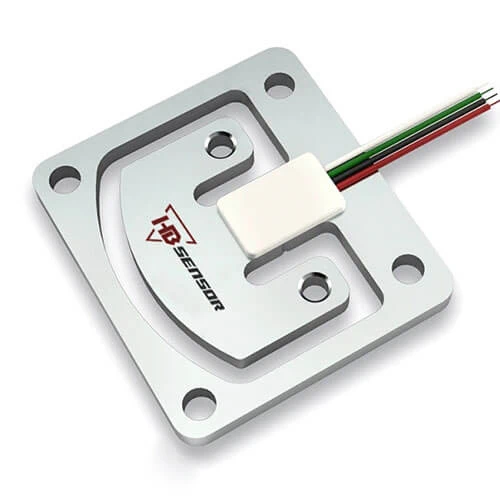
For bathroom scales with a maximum weighing capacity above 200 kg, higher-rated load cells are required to handle the increased load. However, a higher capacity is not always better. If a load cell’s rated capacity is significantly higher than the actual measurement range, its effective output signal relative to full-scale output will be smaller, which may affect the system’s ability to detect small changes in load. Therefore, load cell selection for higher-capacity bathroom scales should balance sufficient safety margin, the intended weighing range, and measurement performance.
Typically, a household bathroom scale uses 4 bathroom scale load cells, positioned at the four corners of the platform. This four-point support structure distributes the user’s weight more evenly across the scale platform and allows multiple load cells to measure the load simultaneously. Whether the user stands in the center or shifts toward one side, the four-load-cell configuration better accommodates load variations at different positions, improving weighing stability and consistency. There are also scales on the market that use 1 or 2 bathroom scale load cells—these have a simpler construction and are generally more cost-effective, but they place higher demands on platform design and load distribution, and are more prone to measurement errors under off-center loading conditions.
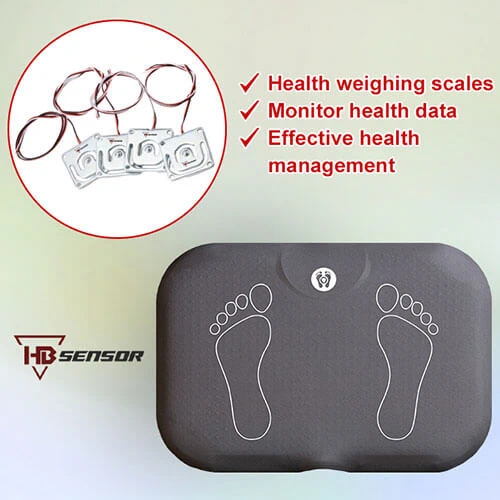

As people become increasingly focused on weight management and health monitoring, bathroom scales are evolving toward more digital, smart, and portable designs. Different types of bathroom weighing scales have different requirements for load cell capacity, accuracy, size, and structural design. Therefore, choosing a bathroom scale load cell that matches the equipment’s design and performance requirements is essential for achieving stable, accurate weighing and maintaining product competitiveness.
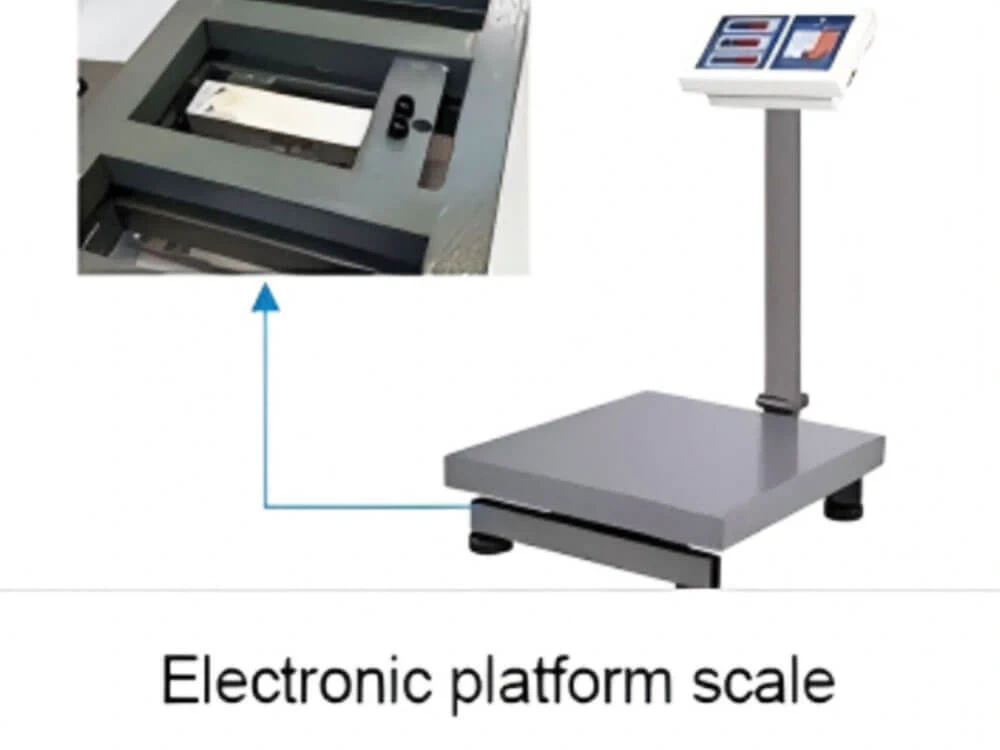
Standard digital load cells are the most common type and are primarily used for everyday weight monitoring, with relatively few additional features. These scales typically have a maximum weighing capacity of around 150 kg, with a focus on basic weighing performance, reliability, and cost-effectiveness. Our standard load cells are designed for high-volume production, providing reliable weighing performance while helping keep the overall bathroom scale price competitive.
Smart bathroom scales can connect to mobile apps via Bluetooth or Wi-Fi, enabling features such as weight trend tracking, BMI calculation, and multi-user data management. Although their core weighing principle is the same as that of standard digital scales, sensor consistency, repeatability, and long-term stability are more important because weight data is continuously recorded and analyzed over time. Stable load cell output helps minimize reading drift and improve the reliability of long-term weight data.
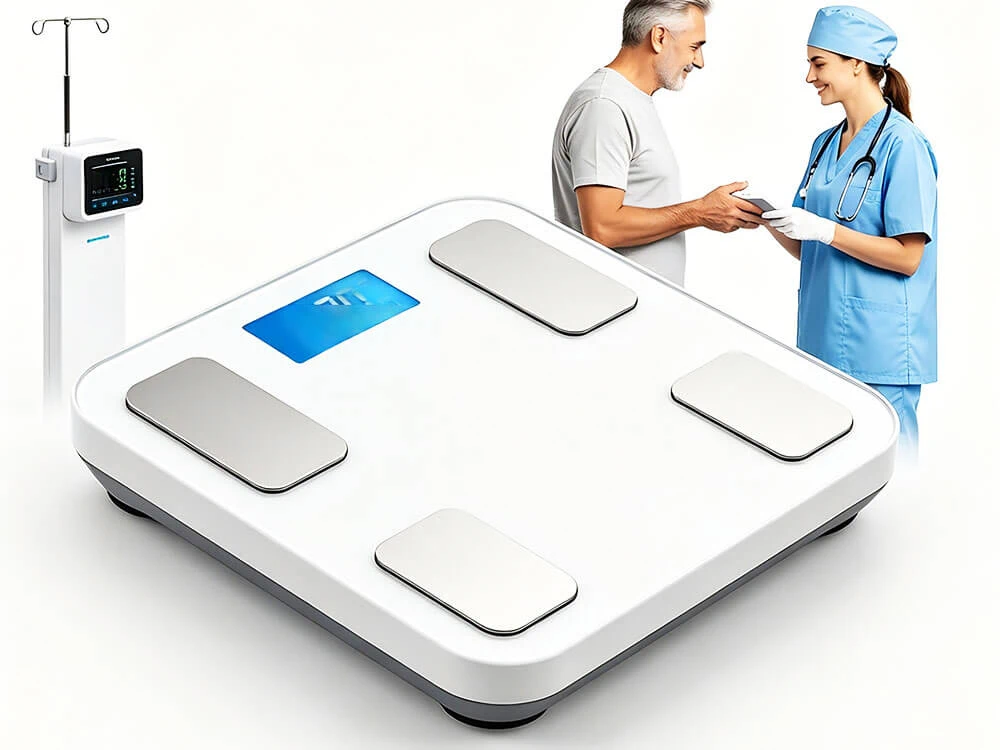
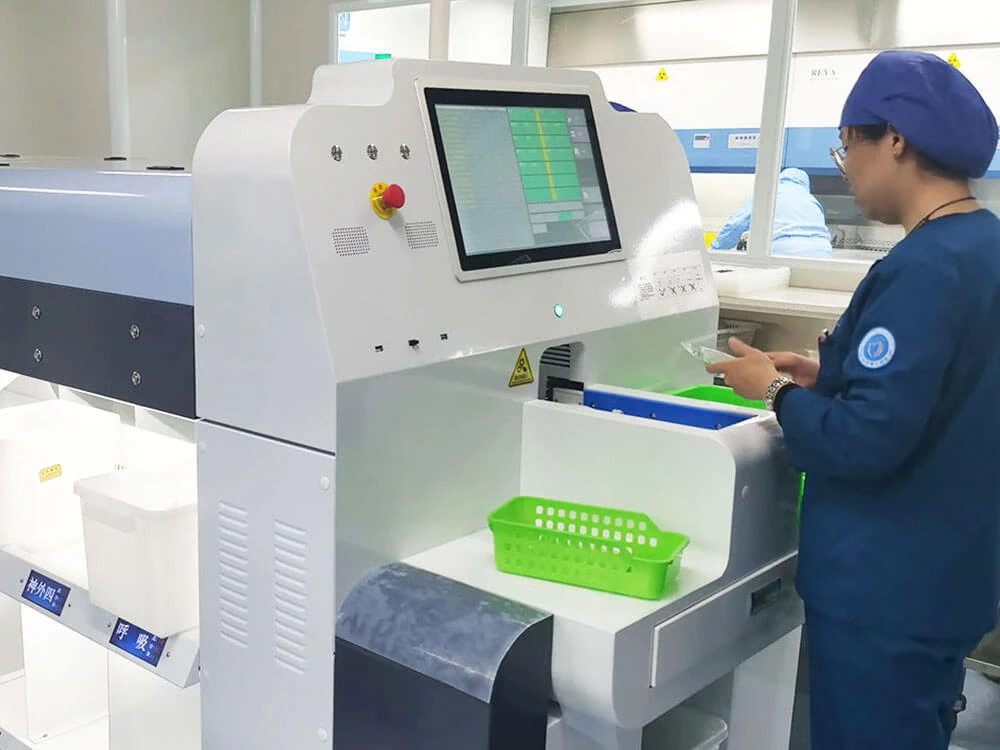
These bathroom scales are primarily used in gyms, hotels, and other public weighing environments, where they experience more frequent use and need to accommodate a wider range of users. As a result, their maximum weighing capacity is typically 200 kg or higher. The load cells need sufficient rated capacity, overload protection, and fatigue life to withstand frequent use and dynamic loading.
Before digital weighing scales became widely adopted, mechanical bathroom scales were commonly used for body weight measurement. They offered simple construction, no battery requirement, and straightforward operation. As digital bathroom scales and electronic bathroom scales have evolved to support features such as mobile app data tracking, the bathroom scale load cell has become a critical component for accurate electronic weight measurement. The following comparison explains why load cells are used in digital bathroom scales and how they differ from traditional mechanical weighing systems.
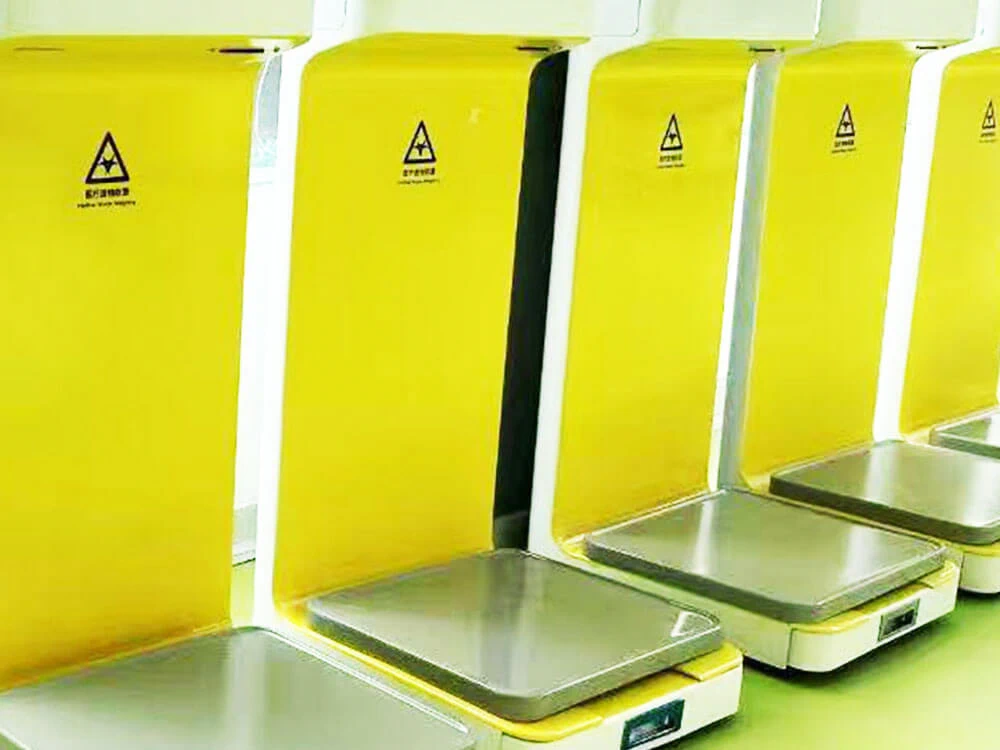
Traditional mechanical bathroom scales primarily use springs, levers, and other mechanical components to convert body weight into mechanical movement, which is then displayed through a pointer and dial. Their simple design requires no batteries or electronic signal processing, making them suitable for applications focused on basic weight measurement.
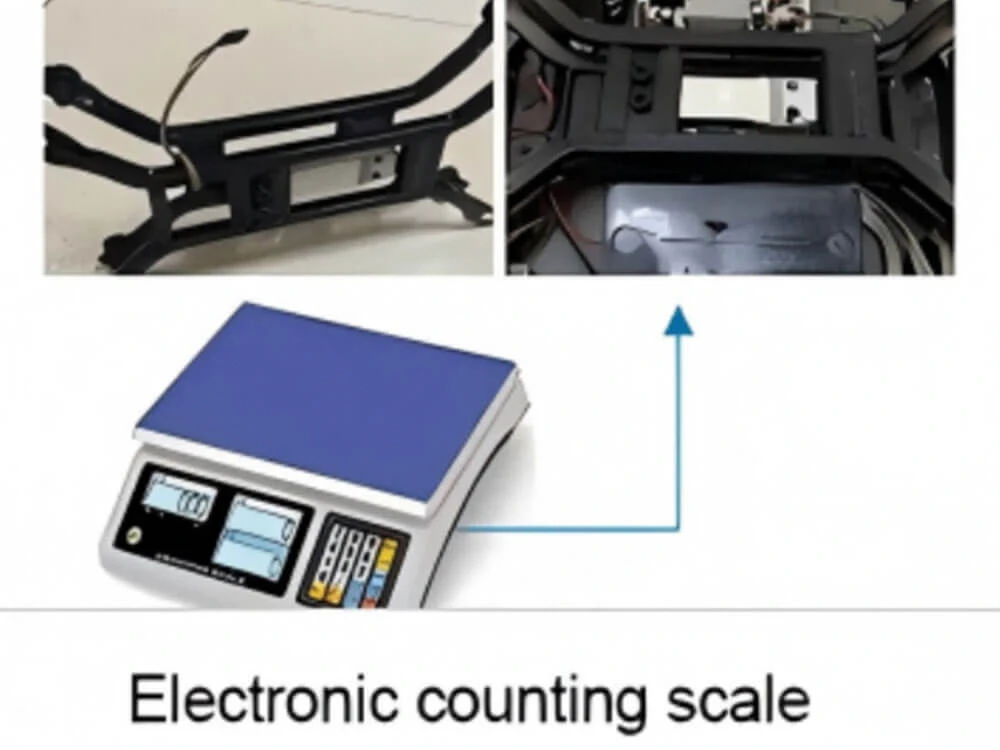
Digital bathroom scales use a load cell to convert the load applied to the platform into an electrical signal. The scale’s electronic system then amplifies, processes, and calibrates the signal before displaying the final weight reading digitally. Compared with traditional mechanical scales, digital weighing systems provide not only digital weight display but also support features such as weight data tracking and mobile app connectivity.
Different weighing devices have different structural, dimensional, and performance requirements, so the bathroom scale load cell they use may also vary. Choosing a load cell that matches the scale’s design and weighing requirements is essential. The following are key factors to consider when selecting the right bathroom scale load cell.
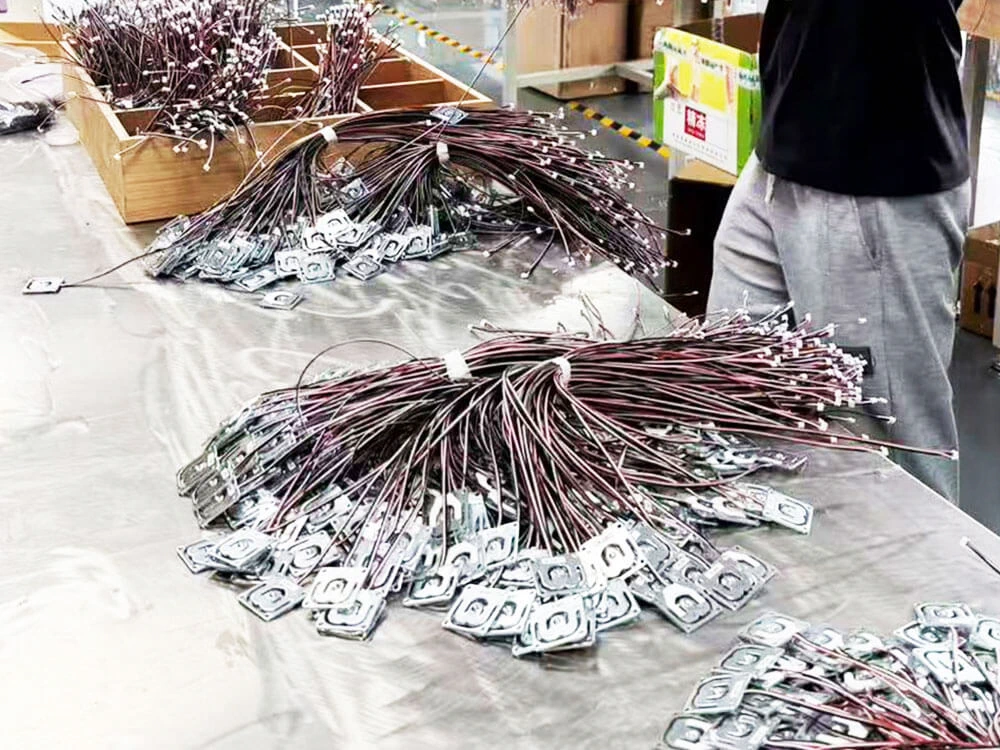
Select a rated capacity that matches the scale’s maximum weighing range, with sufficient capacity margin for dynamic loads and unexpected impacts.
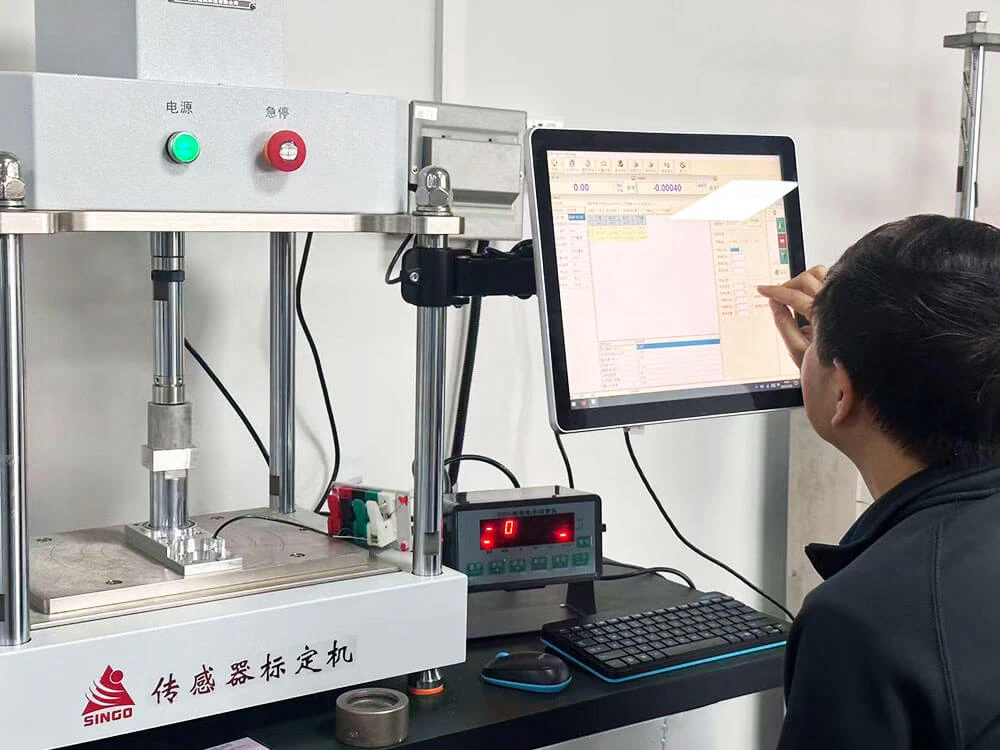
Consider the required weighing accuracy, repeatability, and long-term stability to ensure consistent and reliable weight measurement.

Make sure the load cell’s dimensions, mounting holes, and mechanical configuration fit the scale platform and available installation space.
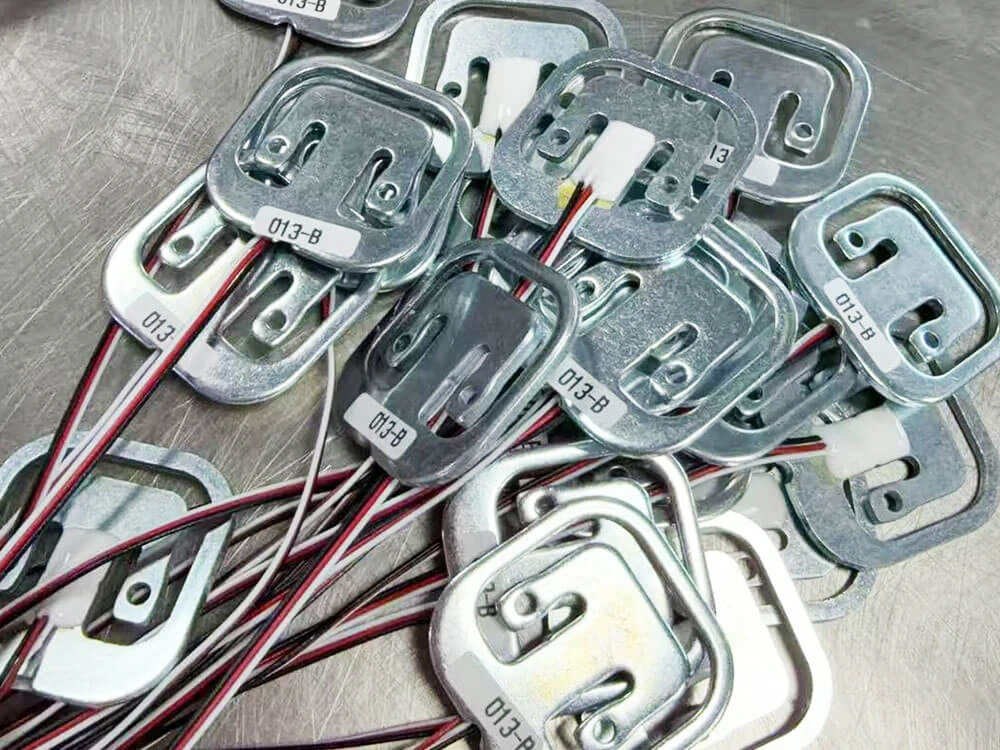
Select the appropriate material based on the operating environment and durability requirements, such as lightweight, cost-effective aluminum alloy or more corrosion-resistant stainless steel.
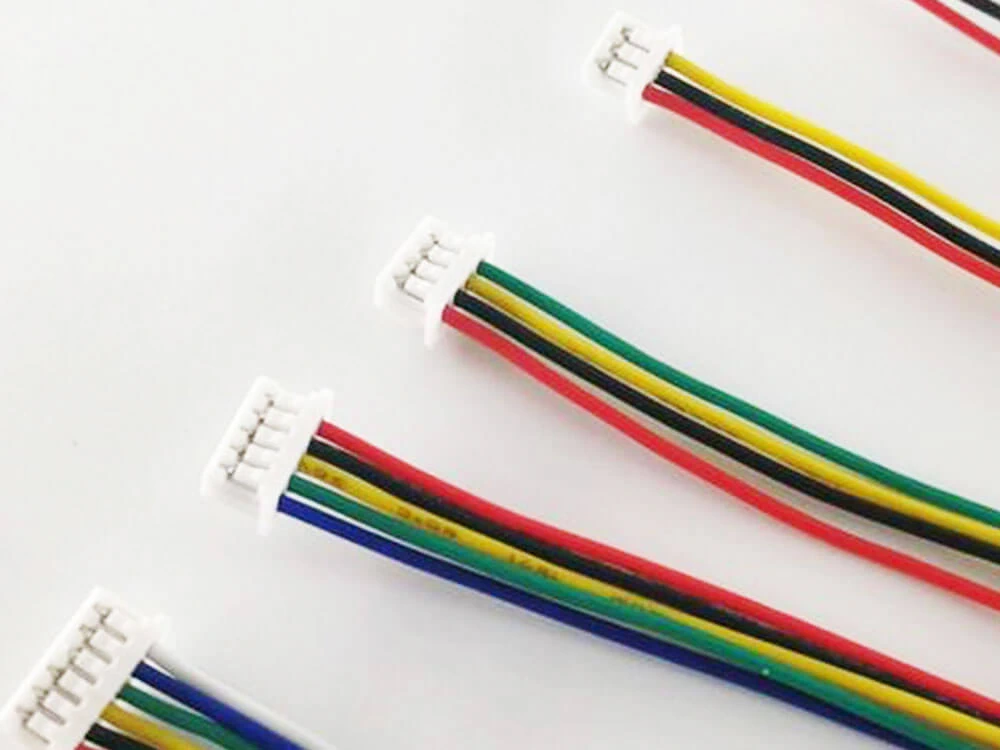
Check the 4-wire load cell configuration, excitation and signal connections, wire colors, and compatibility with the scale’s weighing electronics.
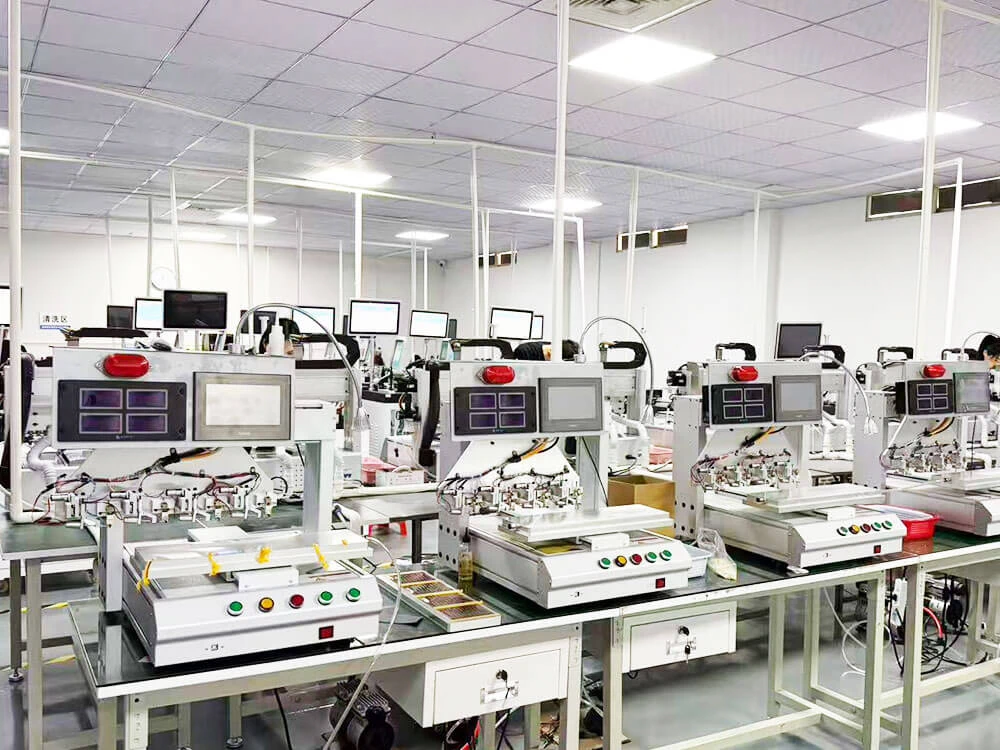
Buying directly from a load cell manufacturer can reduce supply chain intermediaries, support customization of capacity, dimensions, and cable length, and provide a more reliable supply for bulk orders.
Choosing the right bathroom scale load cell is essential for accurate and reliable weight measurement. As a load cell manufacturer, HAIBOSENSOR provides weight scale load cell and load cell weight sensor solutions based on proven strain gauge load cell technology. We offer standard and customized load cells in different capacities, dimensions, mounting configurations, and cable lengths to meet various digital bathroom scale requirements.
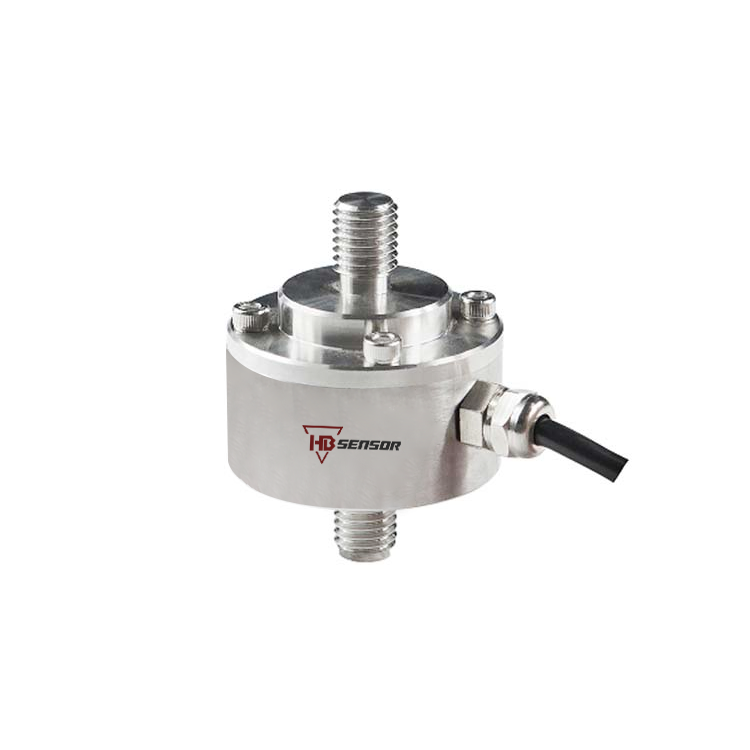
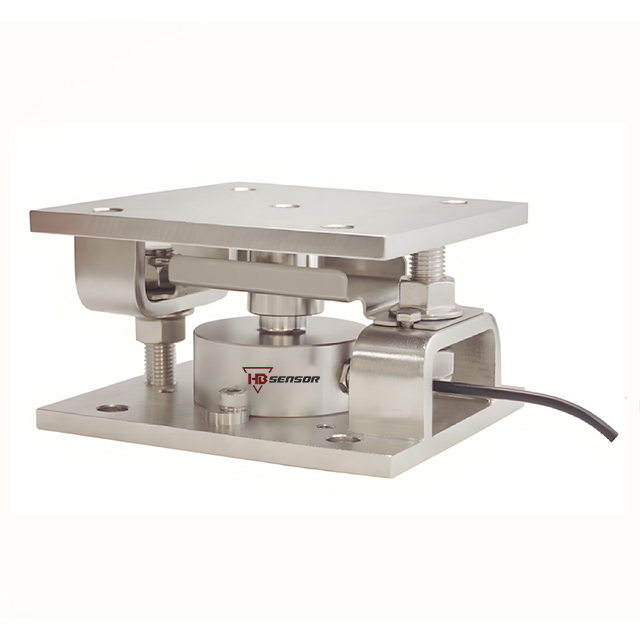

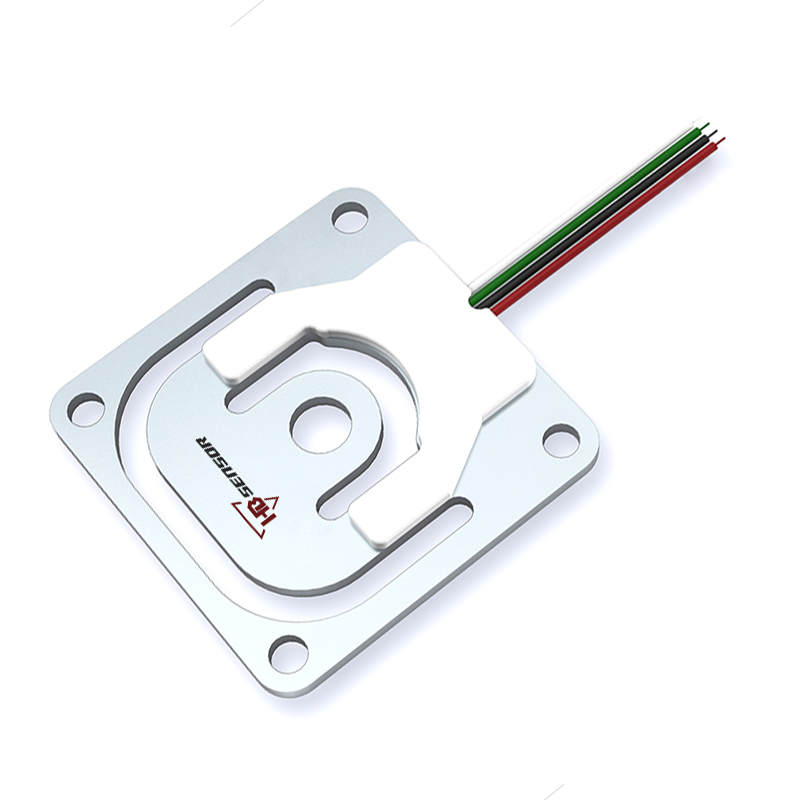
As the best quality load cell sensor products manufacturer, we can provide professional solutions for any custom request. Please feel free to contact us now and we will contact you soonest.
You can get a price of this model or send us any question to get any information you would like to know, we will reply to you soonest.