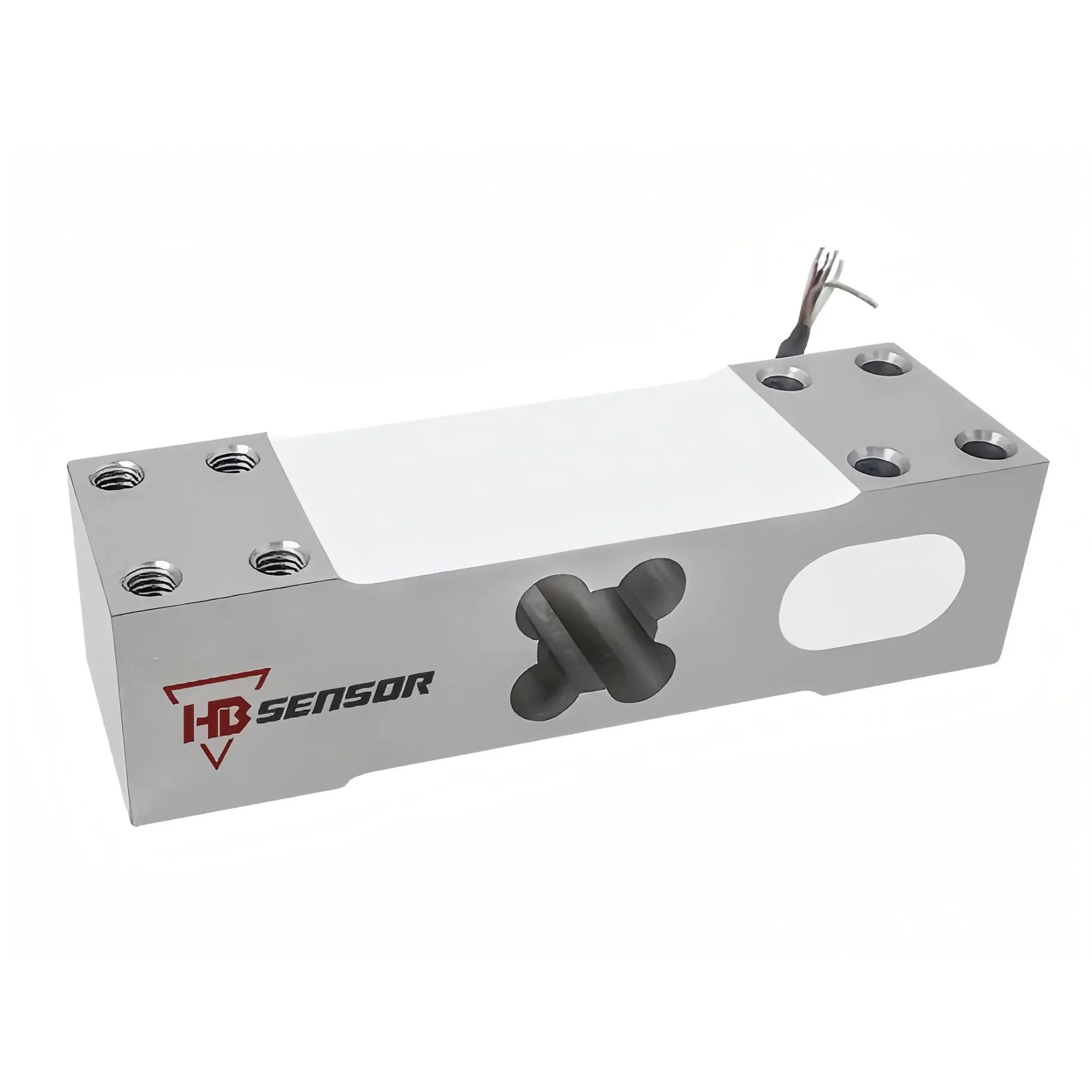

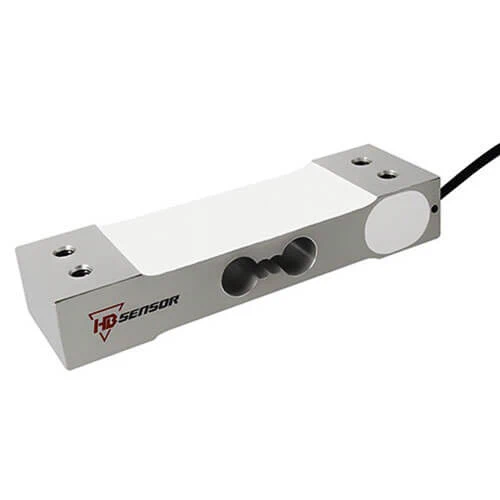
A platform scale load cell is specifically designed for platform weighing equipment, providing accurate and reliable weight measurement for industrial bench scales, floor scales, platform weighing systems, and automated weighing equipment. Depending on the platform size, weighing capacity, and structural design, a platform scale may use a single load cell or multiple load cells working together. Smaller-capacity platform scales often use a single load cell, while larger or higher-capacity platforms typically incorporate four load cells to ensure accurate weight distribution and stable measurement.
Selecting the right platform scale load cell involves more than simply choosing a load capacity. To achieve reliable weighing performance, factors such as weighing capacity, platform size and structure, accuracy requirements, and the operating environment should all be considered. Choosing the right load cell not only ensures accurate measurement but also improves the stability and service life of your platform scale. Below are the key factors to help you make the right selection.
Weighing capacity is the first factor to consider when selecting a platform scale load cell. A load cell with insufficient capacity may be overloaded during operation, while an oversized load cell can reduce weighing resolution and accuracy. Small platform scales typically use single point load cells, while larger platforms with capacities ranging from several hundred kilograms to several tons generally use shear beam or compression load cells to provide higher load capacity and long-term stability.
Platform size affects load distribution and determines the number and configuration of load cells required. Smaller platforms usually use a single load cell, while larger platforms typically require multiple load cells to minimize off-center loading errors and maintain accurate weighing performance. Our engineering team can recommend the optimal load cell type, quantity, and configuration based on your platform size and application requirements.
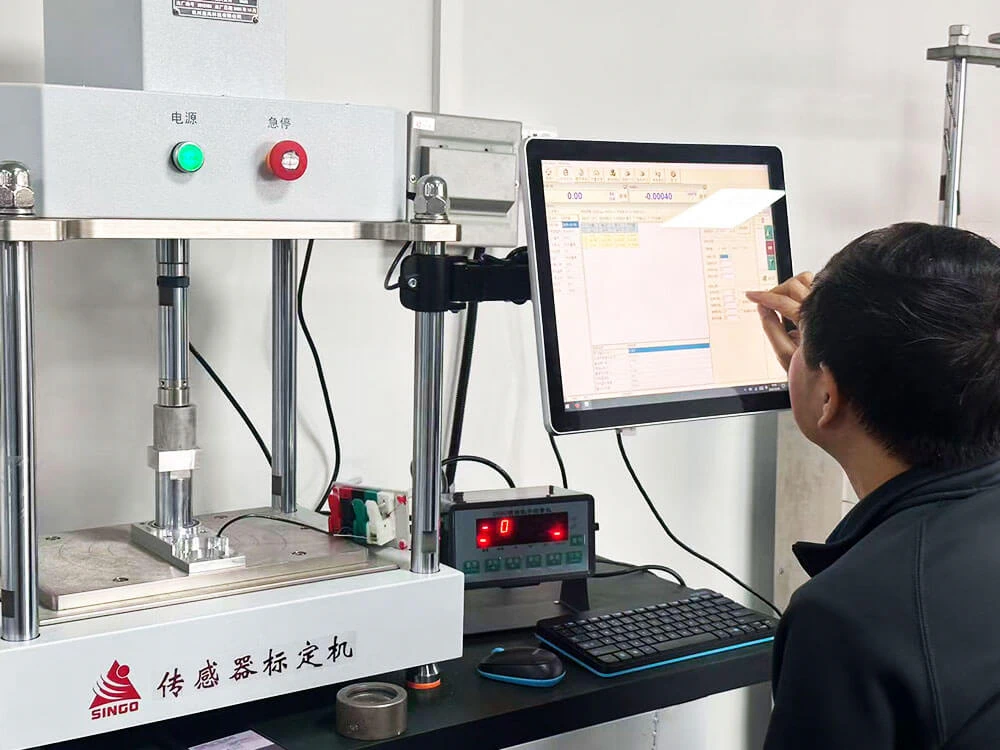
Different applications require different levels of weighing accuracy. General industrial weighing typically prioritizes stability and repeatability, while commercial or legal-for-trade applications may require compliance with standards such as OIML or NTEP. Choosing the appropriate accuracy class helps ensure the weighing system meets both performance and regulatory requirements.
The operating environment is another important consideration when selecting a platform scale load cell. For wet, corrosive, or washdown applications, stainless steel load cells with IP68 protection are recommended to maximize durability and reliability. We also offer customization options for materials, sealing methods, and IP ratings to meet the requirements of demanding applications.

Different platform scales vary in terms of structure, dimensions, installation methods, operating environments, and accuracy requirements. Therefore, the weighing solution needs to be designed according to the specific application. As a professional load cell manufacturer, Haibo evaluates these key factors to provide more suitable platform weighing solutions for our customers. Below are the key factors our engineering team considers during project design to help you better understand platform weighing solution requirements.
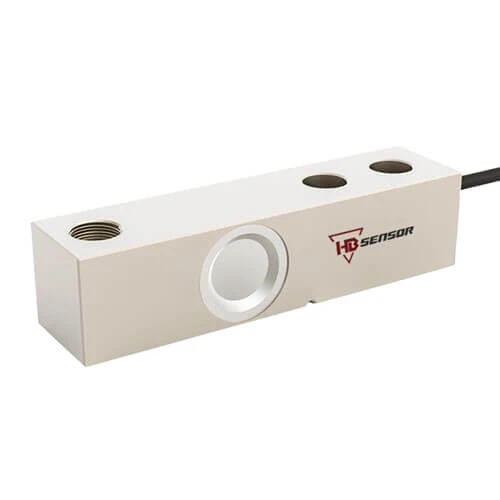
When multiple load cells are used in a platform scale system, proper placement is essential for even load distribution. Our engineers optimize the load cell layout based on platform size and load conditions to ensure accurate and stable weighing.
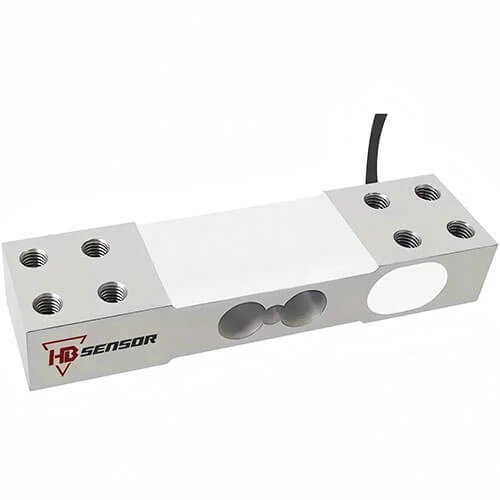
Loads are not always centered on the platform. We optimize platform load cell selection and layout to minimize the effects of off-center loading and maintain accurate weighing.
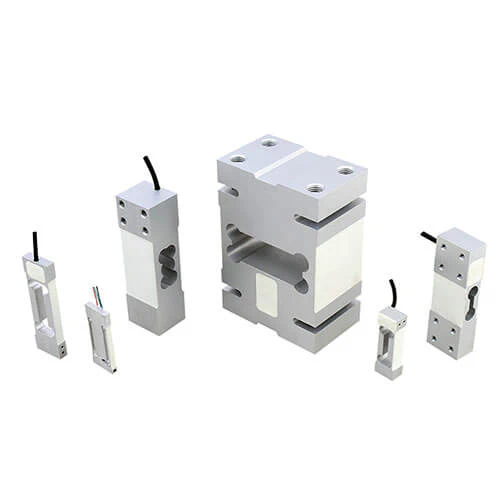
To ensure seamless integration with your equipment, we support customization of dimensions, mounting holes, and mounting interfaces for a better mechanical fit.
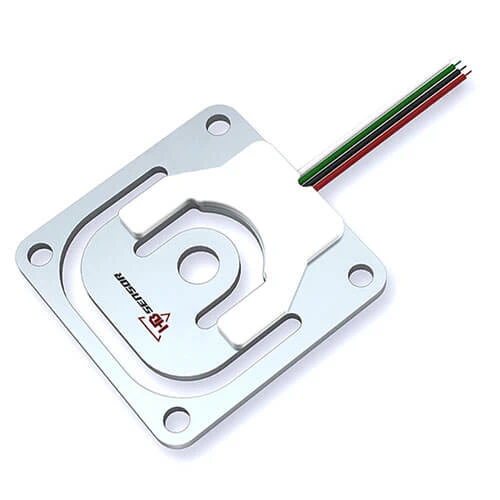
Even with the right platform load cell, improper installation can affect weighing accuracy and stability. We provide suitable installation recommendations based on your equipment structure to help your weighing system achieve optimal performance.
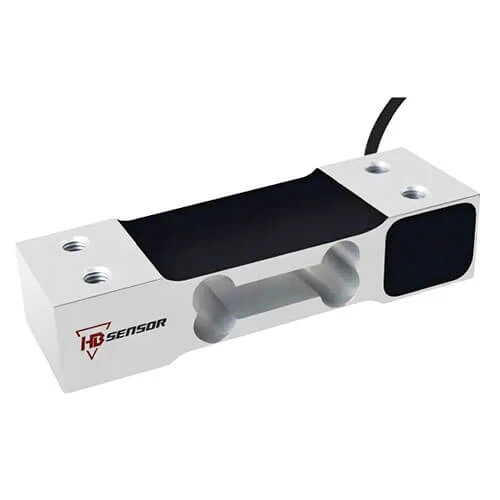
For demanding environments such as humid, washdown, corrosive, or outdoor applications, we provide stainless steel options and customized protection ratings, including IP65, to enhance the reliability and service life of platform load cells.
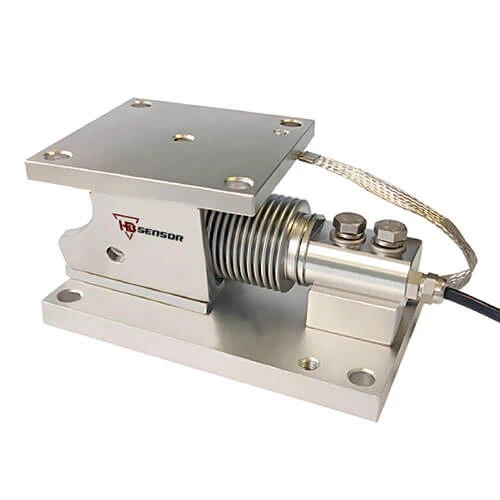
Platform load cells need to maintain stable performance over long-term operation. Through quality materials, reliable manufacturing processes, and temperature compensation technology, we minimize output drift and recalibration needs, helping reduce maintenance costs.
Depending on the platform size, weighing capacity, and application requirements, platform scale load cells can generally be divided into two main categories: single point load cells and multi-point support load cell solutions. Single point load cells are suitable for small platform scales and offer excellent off-center loading compensation. For larger platforms, higher-capacity applications, or systems requiring better load distribution, multi-point support solutions are typically used, where multiple load cells work together to achieve even load distribution and stable, accurate weighing performance. Common types include shear beam, bending beam, and compression load cells, each designed to meet different capacity ranges and industrial applications.
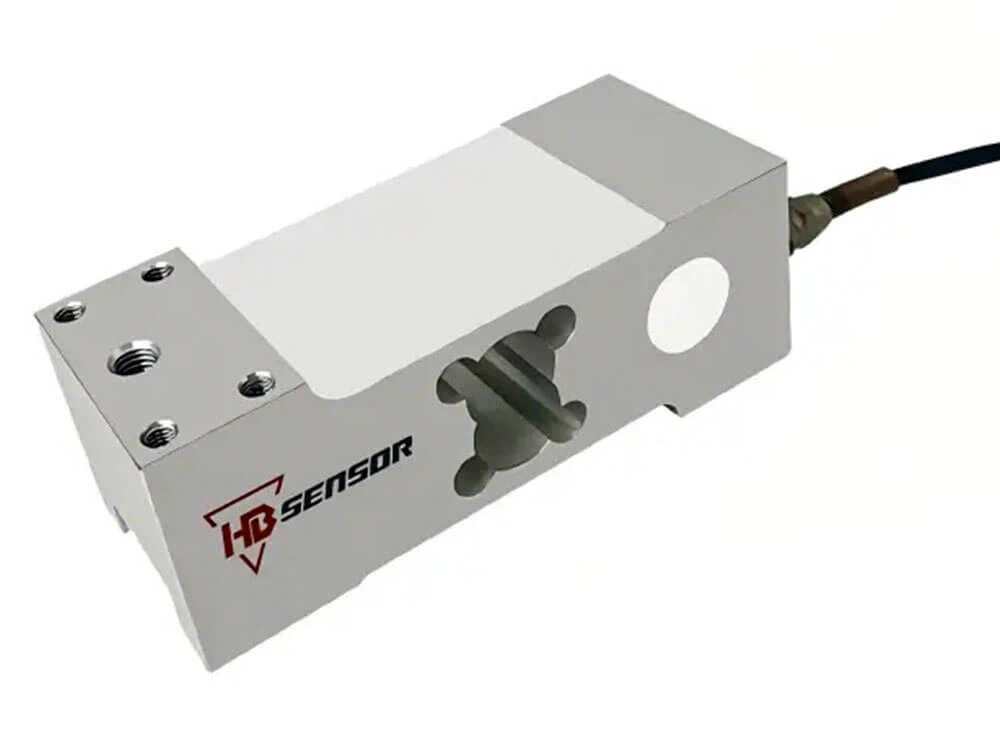
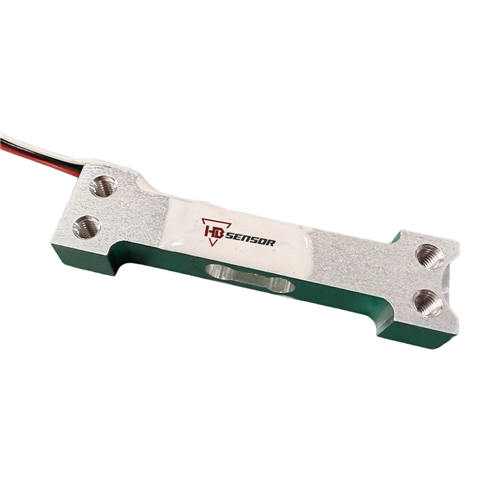
With a simple structure and high accuracy, a single point load cell is typically installed at the center of the platform, allowing one load cell to support the entire weighing platform. Thanks to its excellent off-center loading compensation, it can maintain good measurement accuracy even when the load position changes. Typical applications include small platform scales, industrial bench scales, counting scales, and packaging scales. The typical capacity range is from a few kilograms to 2 tons.
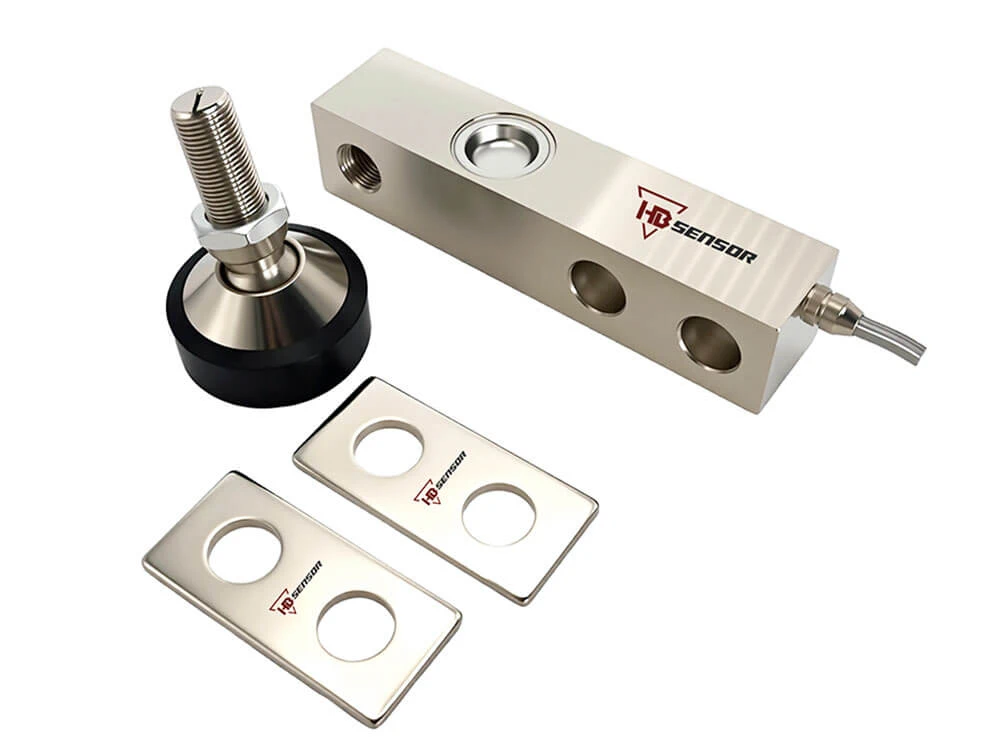
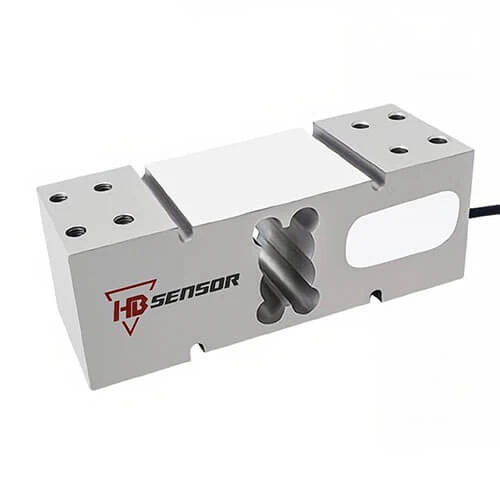
Featuring a robust structure, high load capacity, and excellent resistance to side forces, shear beam load cells provide reliable long-term stability in industrial weighing applications. They are commonly used in multi-load-cell configurations (typically four load cells) for medium and large platform scales. Typical applications include industrial platform scales, pallet scales, hopper scales, and floor scales. The typical capacity range is from 500 kg to 10 tons.
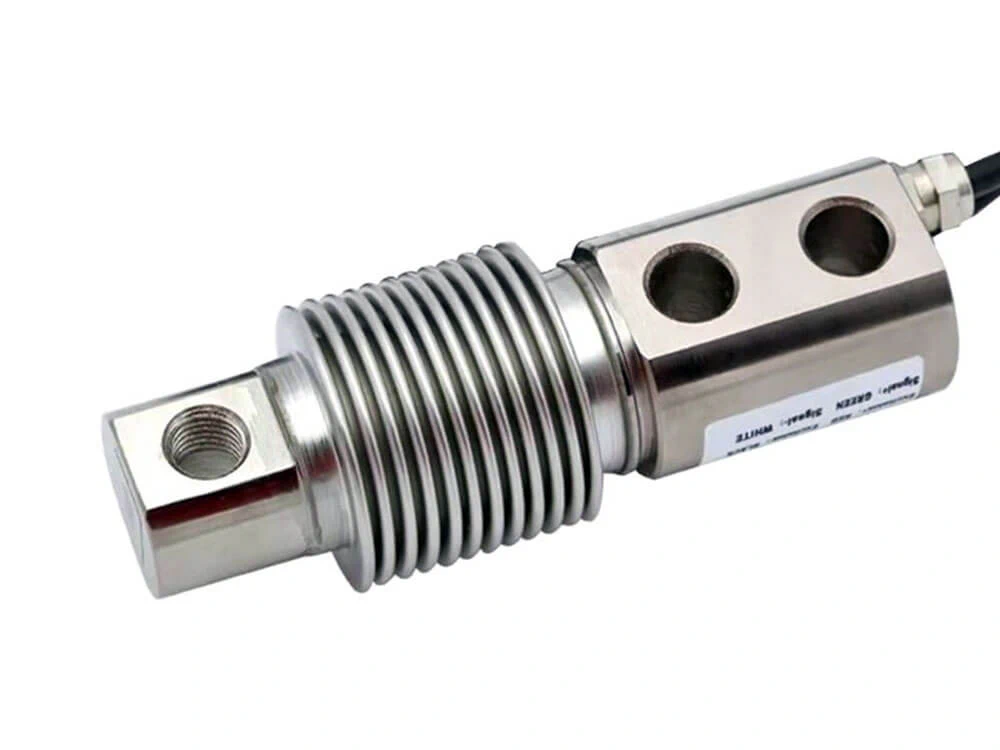
With a compact design and flexible installation, bending beam load cells offer a good balance of accuracy and cost-effectiveness. They are ideal for small to medium-sized weighing equipment where space and budget considerations are important. Typical applications include medium and small platform scales, packaging scales, and automated weighing equipment. The typical capacity range is from 100 kg to 2 tons.
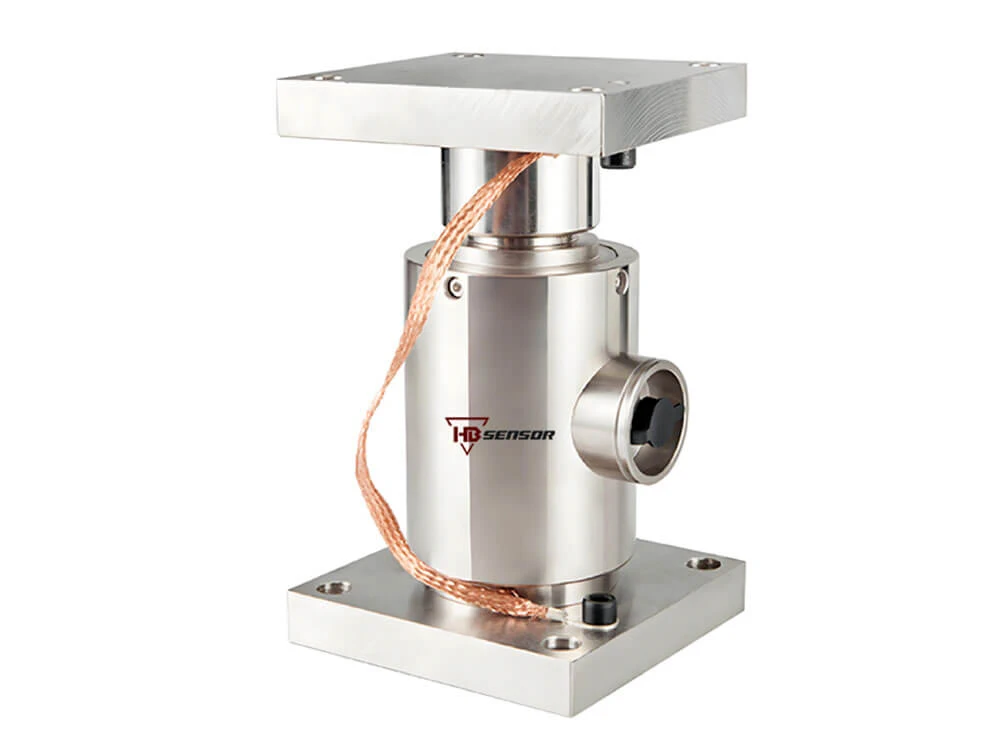
Featuring a rugged design, high load capacity, excellent impact resistance, and long-term stability, compression load cells are mainly used for high-capacity and heavy-duty weighing applications. They are commonly applied in large platform scales, truck scales, hopper weighing systems, and tank weighing systems. The typical capacity range is from 10 tons to several hundred tons.
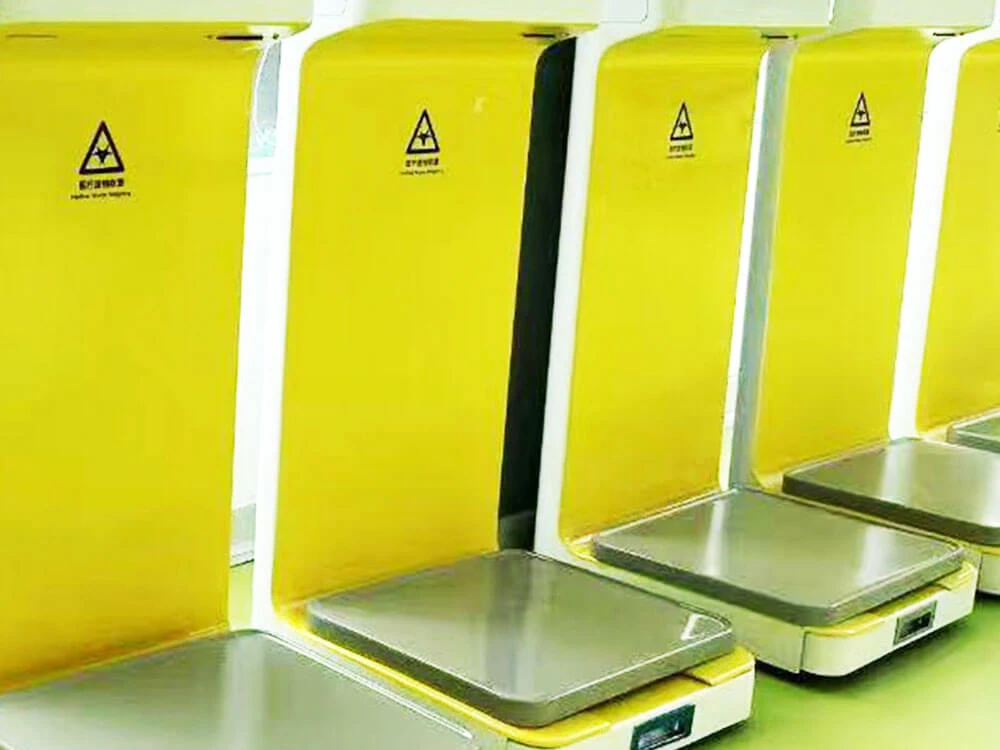
Platform scale load cells are used in more everyday situations than many people realize. From the retail scales that weigh fruit at the supermarket checkout, to the floor scales and truck scales that weigh cargo at logistics hubs—load cells are at work behind the scenes. Because platform sizes, weighing ranges, and application requirements vary significantly, the type of load cell best suited for each scenario also differs, with each playing a distinct role in practice. Below are several typical applications to help you quickly understand the suitability of different platform scale load cell types, and to assist you in selecting the right weighing solution for your equipment.
Primarily use single-point load cells, suitable for small to medium capacity daily production weighing.
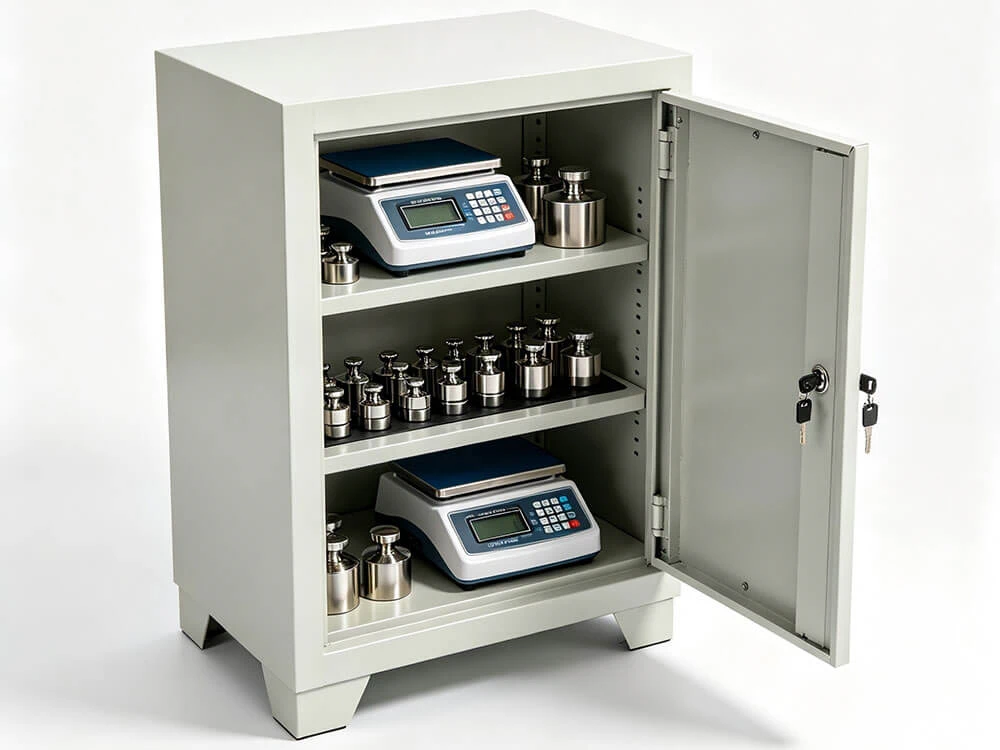
Employ shear beam or compression load cells with four-corner support to meet heavy-capacity weighing requirements.

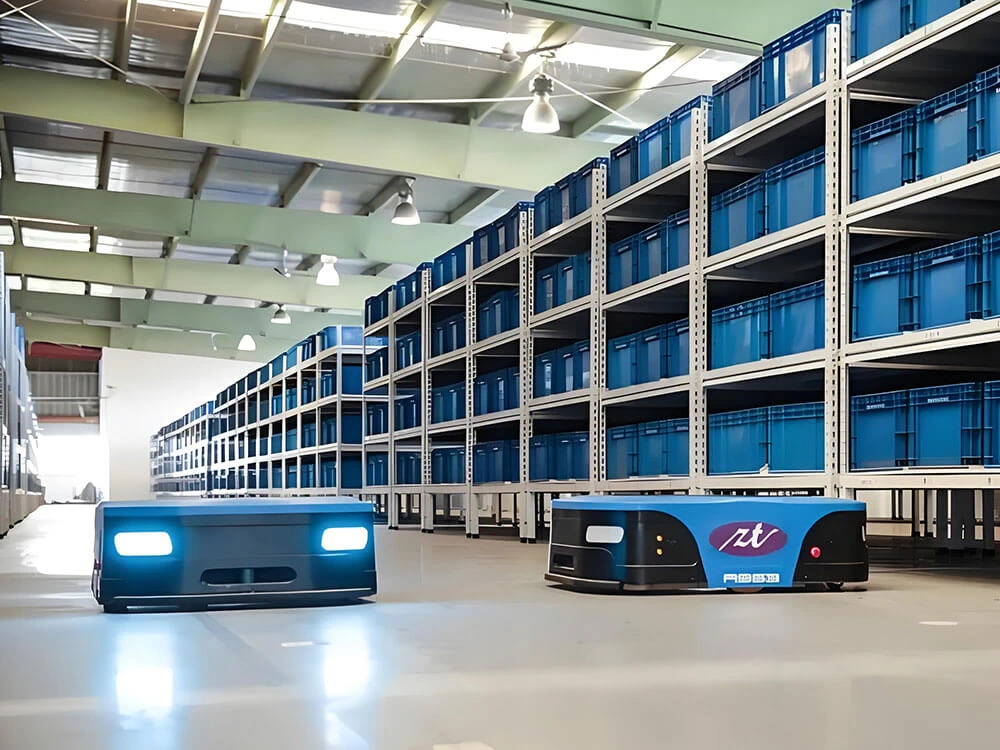
Typically use shear beam load cells in logistics handling and warehouse management, with a focus on shock resistance.
Can be equipped with shear beam or stainless steel load cells depending on the environment; specifically designed for weighing chemicals, paints, and other drummed materials, with an emphasis on corrosion resistance.

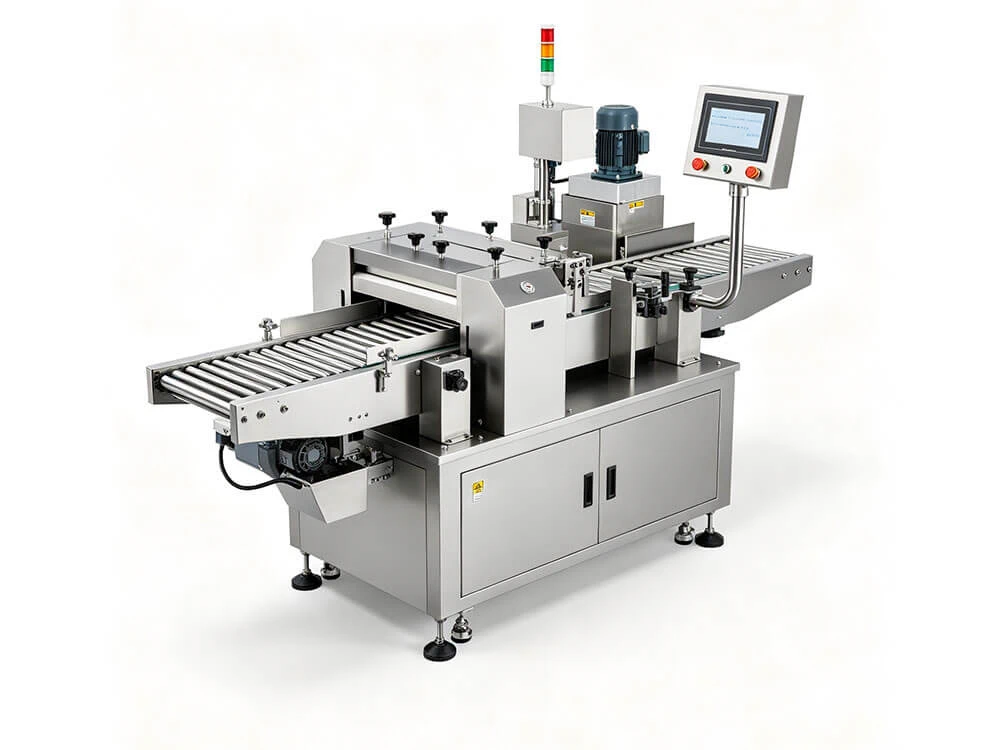
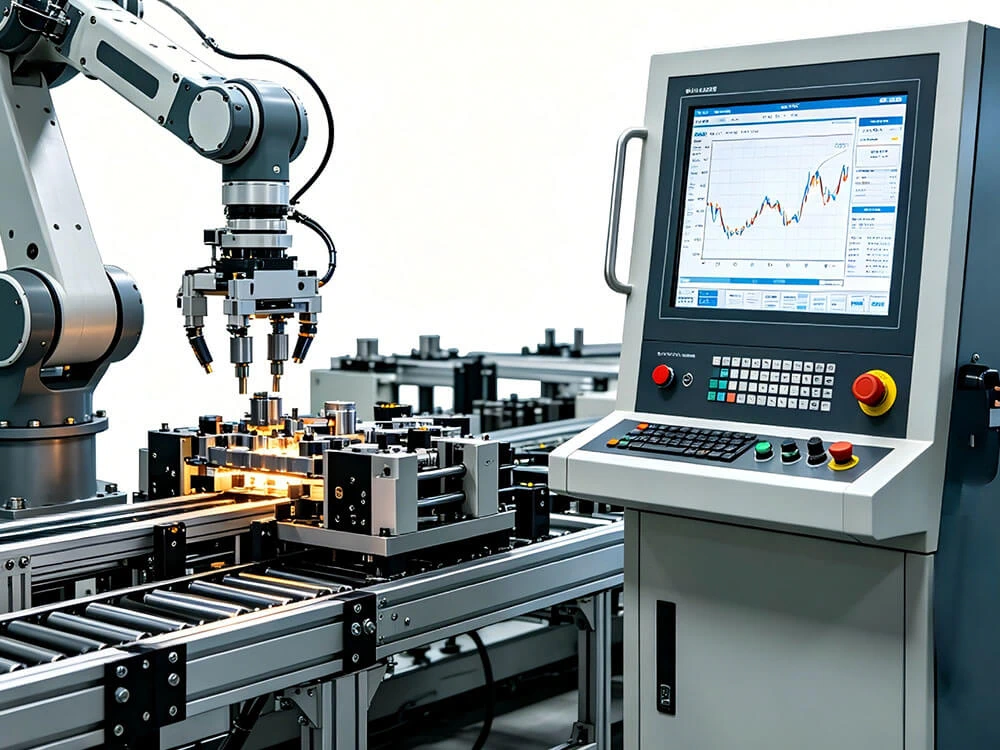
Often use bending beam or shear beam load cells, integrating with conveyor systems to enable continuous, high-efficiency dynamic weighing.

For checkweighers, packing, and batching systems—demanding fast response and strong communication. Sensor type (single-point, bending beam, or shear beam) depends on the equipment structure.
Compared to general-purpose load cells, platform scale load cells are specifically engineered for platform scale applications. They are designed to accommodate different platform sizes, weighing capacities, and operating environments, while offering flexible customization and OEM support to deliver accurate, stable, and reliable weighing solutions for a wide variety of platform scales.
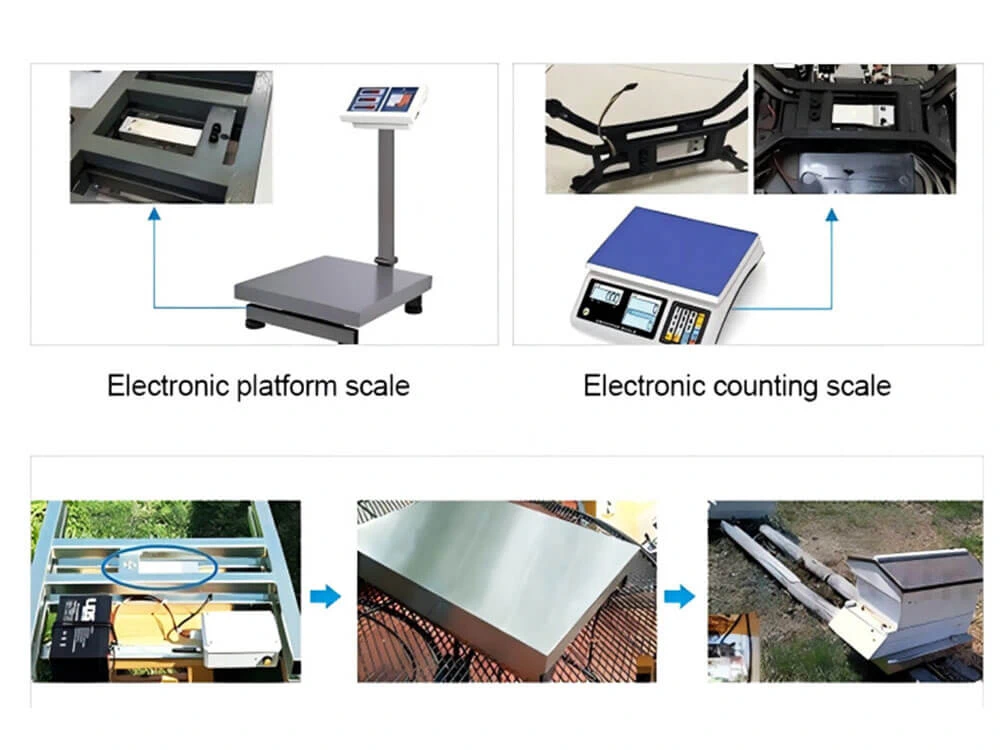
Available in multiple platform scale load cell configurations—such as single-point or multi-point designs—to flexibly suit benchtop scales, medium-to-large platform scales, and heavy-capacity weighing systems.
Covers capacities from a few kilograms for benchtop and counter scales used in light-capacity weighing, up to hundreds of tons for weighbridges and heavy-duty applications. Whether your equipment is used for precision weighing or bulk material measurement, you can easily find a load cell solution that fits your needs.
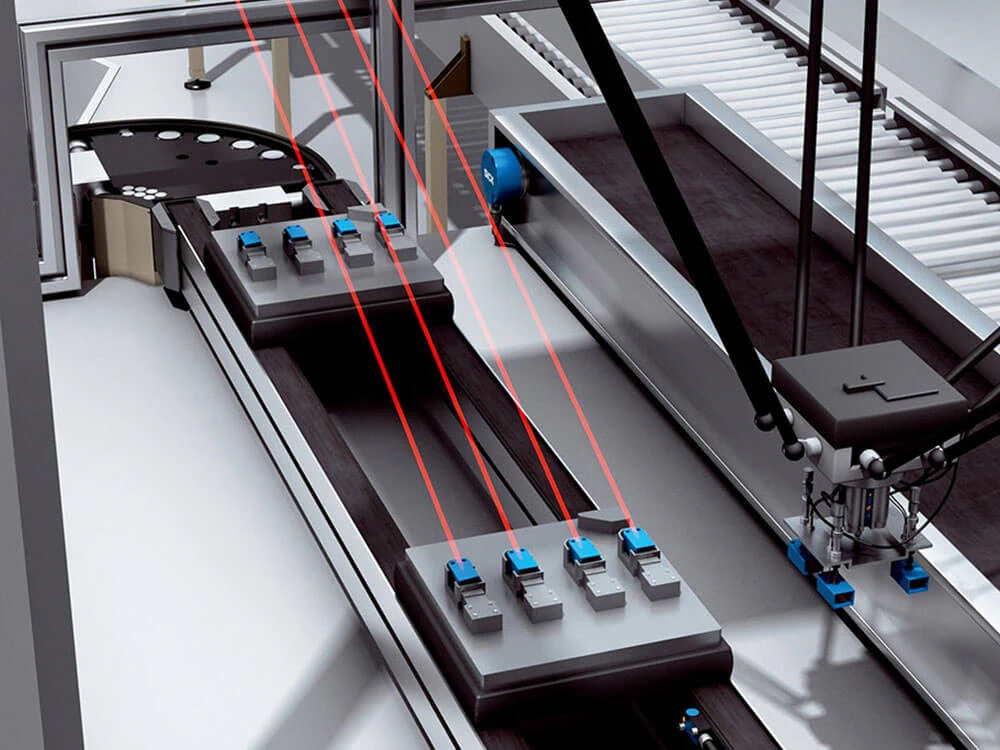
Beyond standard aluminum options, stainless steel materials are also available for demanding conditions involving moisture, dust, corrosion, and outdoor installations. Even in harsh environments with frequent washdowns or chemical exposure, our load cells maintain long-term stable performance.

Supports customization of capacity, dimensions, mounting interfaces, output signals, cable lengths, and protection ratings to accommodate your equipment innovation needs. Our professional engineering team provides flexible technical support and product adaptation services to ensure seamless integration.
As a professional load cell manufacturer, Haibo offers standard platform scale load cells in a variety of configurations to meet conventional application requirements, while also providing flexible customized solutions for special application scenarios. Our engineering team combines hardware design expertise with software development capabilities to support a wide range of customization services—including capacity and dimensions, materials and protection ratings, output signals and electrical configurations, as well as OEM/ODM development—helping customers build platform scale weighing solutions that better match their equipment needs.
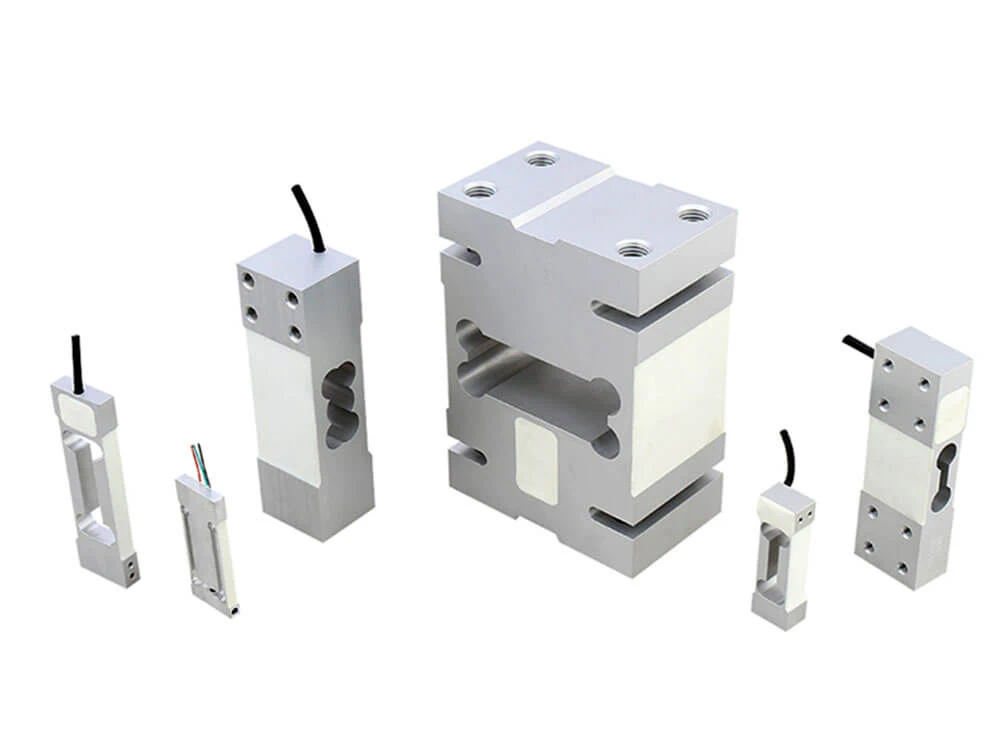
Based on your equipment requirements, we provide customized capacity, dimensions, and mounting interfaces with engineering support to ensure accurate integration with your weighing system.
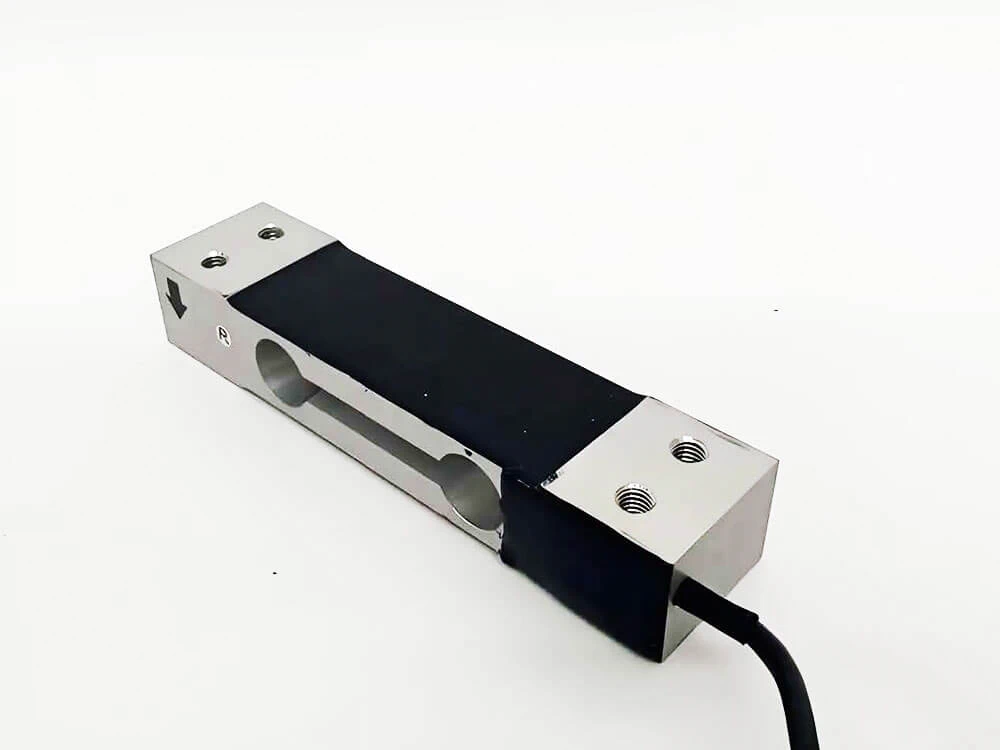
Platform scale load cells are not always used in ideal environments. For applications involving moisture, washdown, or corrosion, we offer stainless steel options and customized protection ratings such as IP65 to improve reliability and service life.
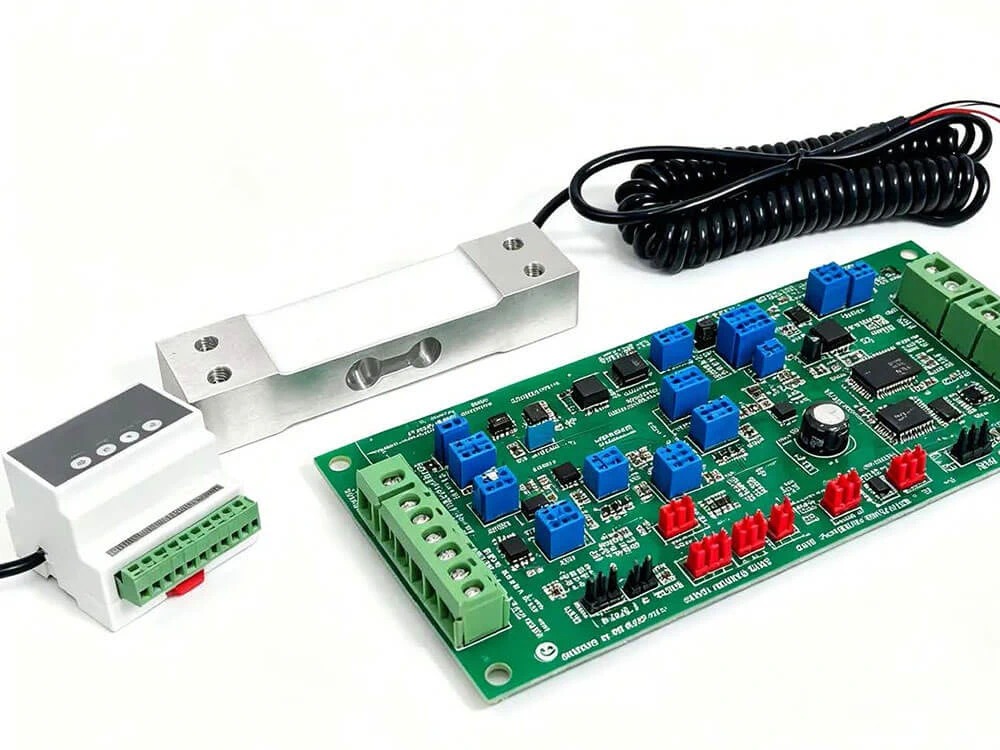
Based on the connection requirements of weighing indicators, control systems, or automation equipment, we provide various output options, including mV/V, 4-20mA, and RS485/RS232, for easy system integration.
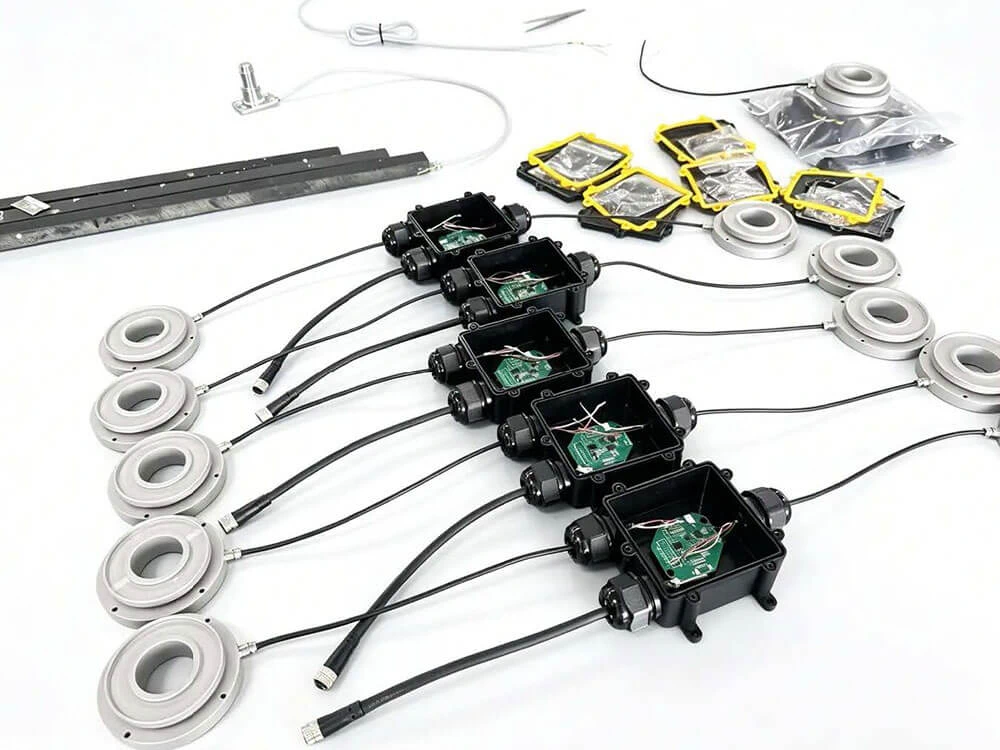
With experience working with equipment manufacturers, we provide one-stop OEM/ODM support from product design and prototype development to mass production, helping customers quickly develop platform scale solutions.
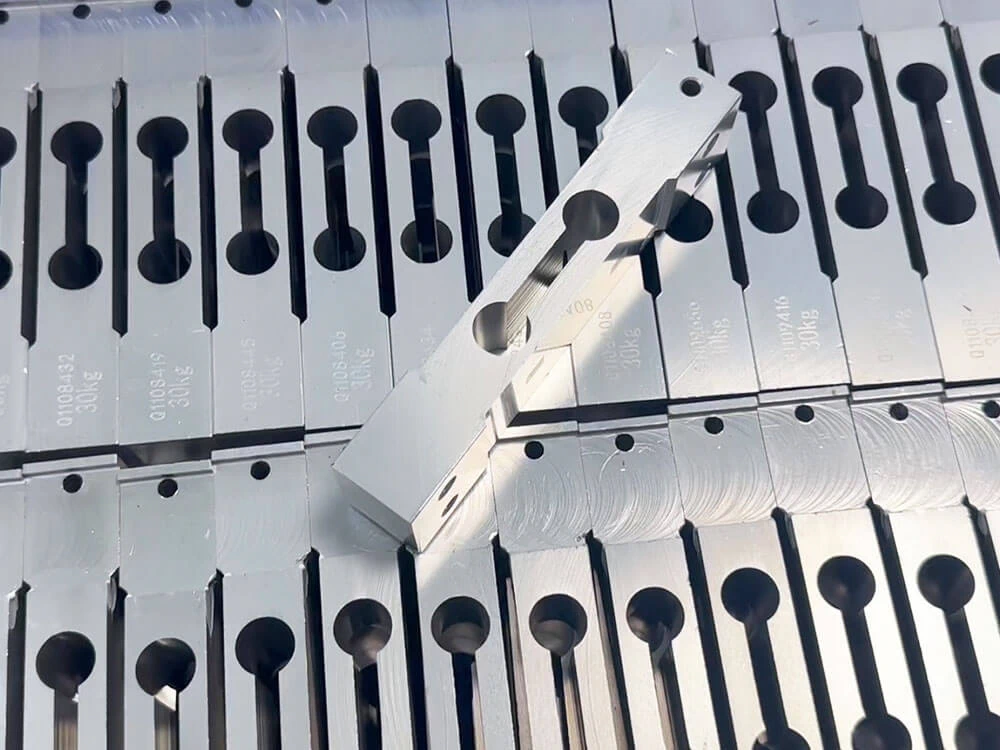
We understand that reliable platform scale load cell rely on strict manufacturing processes and quality control. Therefore, from initial raw material processing and precision manufacturing to assembly, performance testing, and final inspection, Haibo carefully manages every production stage to ensure each platform scale load cell delivers stable performance and consistent product quality.
The production of platform scale load cells involves more than just manufacturing. It covers multiple stages, including initial communication, production quality control, and post-sales technical support. Haibo always follows this principle by leveraging professional teams and well-established management processes to ensure every stage is strictly controlled, providing customers with stable and reliable platform weighing solutions.
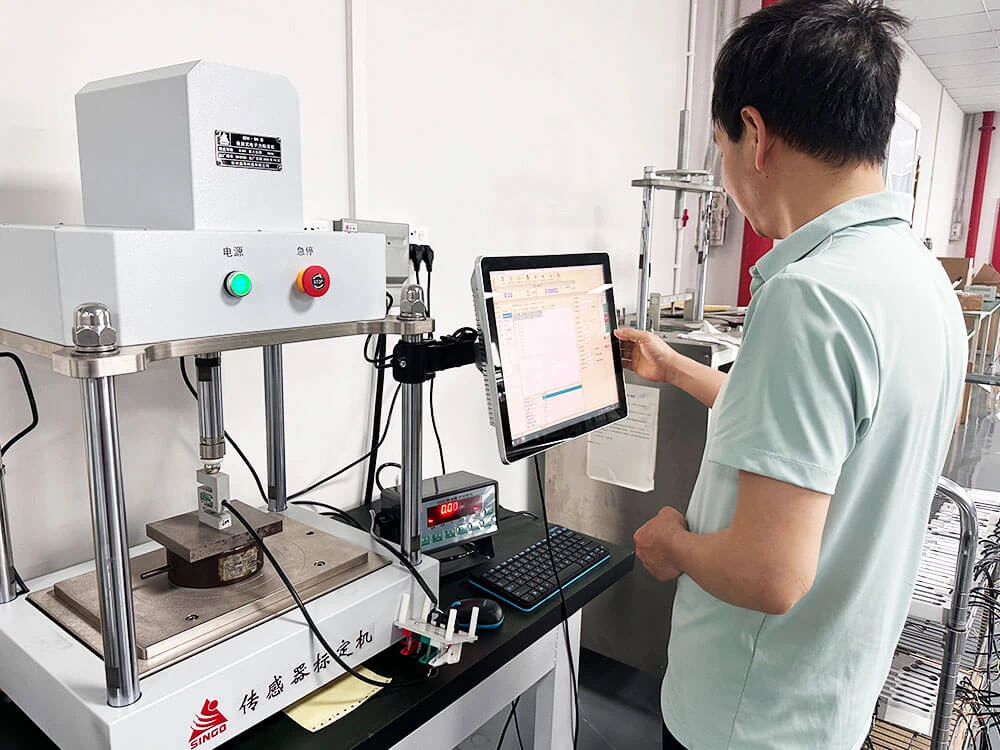


From standard platform scale load cells to fully customized solutions, Haibo provides one-stop services covering product selection, design, manufacturing, and technical support. With a professional engineering team, advanced manufacturing capabilities, and strict quality control, we help customers worldwide build stable, accurate, and reliable platform weighing systems.
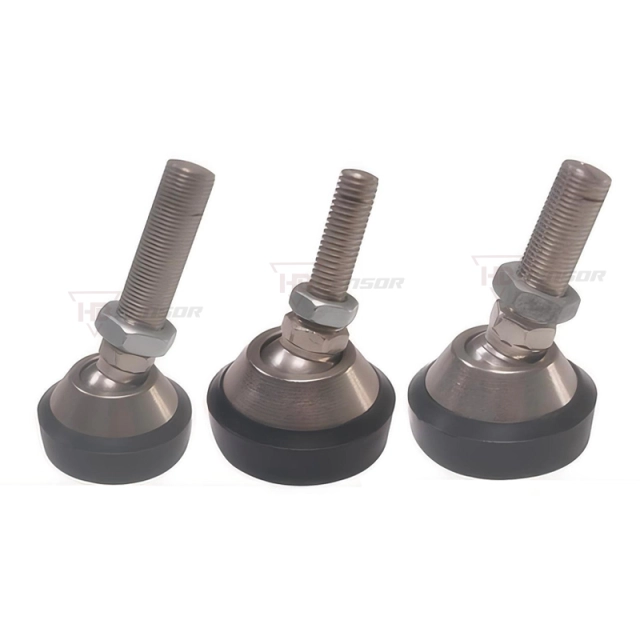
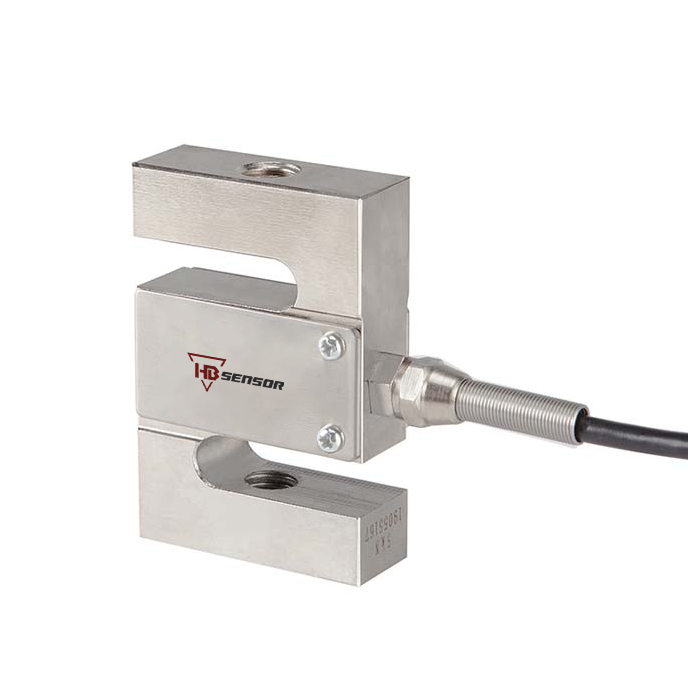
As the best quality load cell sensor products manufacturer, we can provide professional solutions for any custom request. Please feel free to contact us now and we will contact you soonest.
You can get a price of this model or send us any question to get any information you would like to know, we will reply to you soonest.