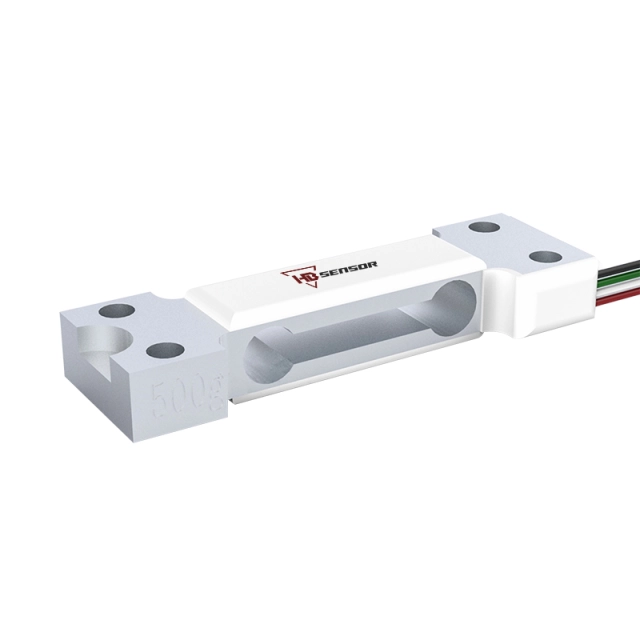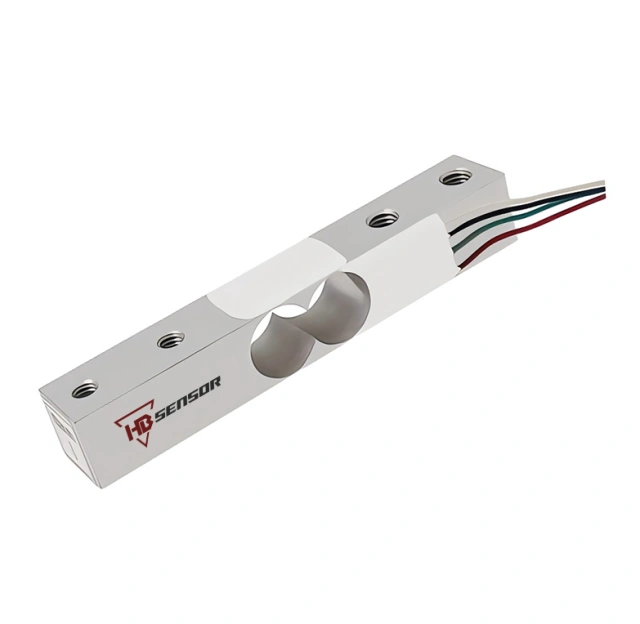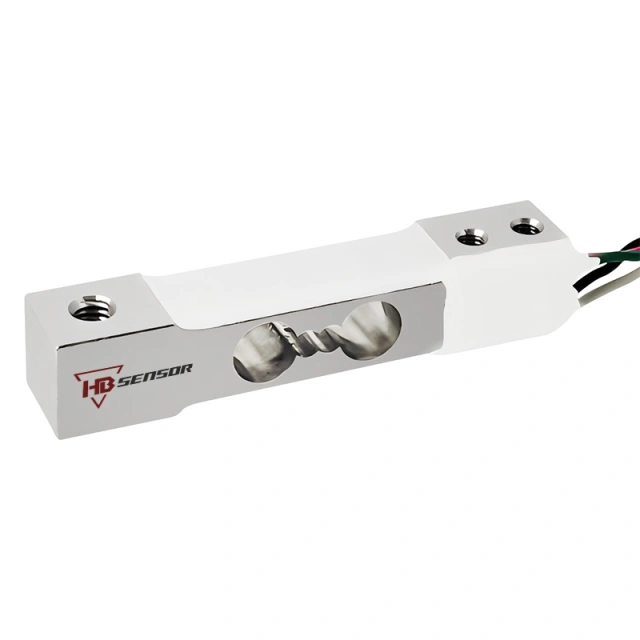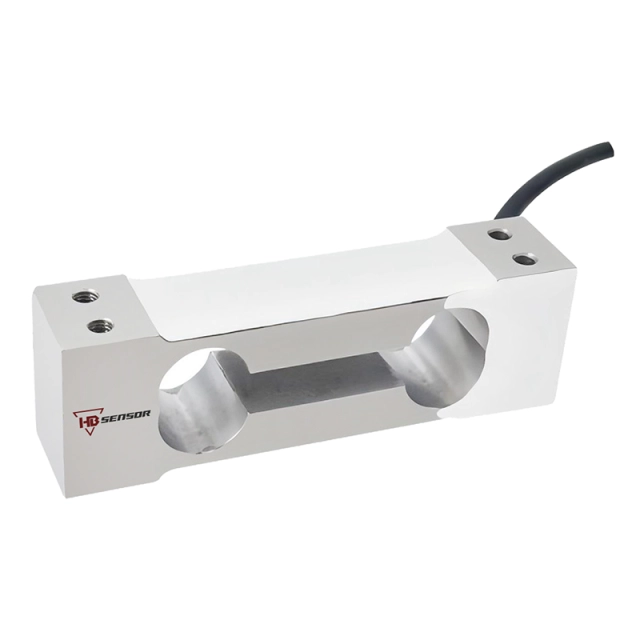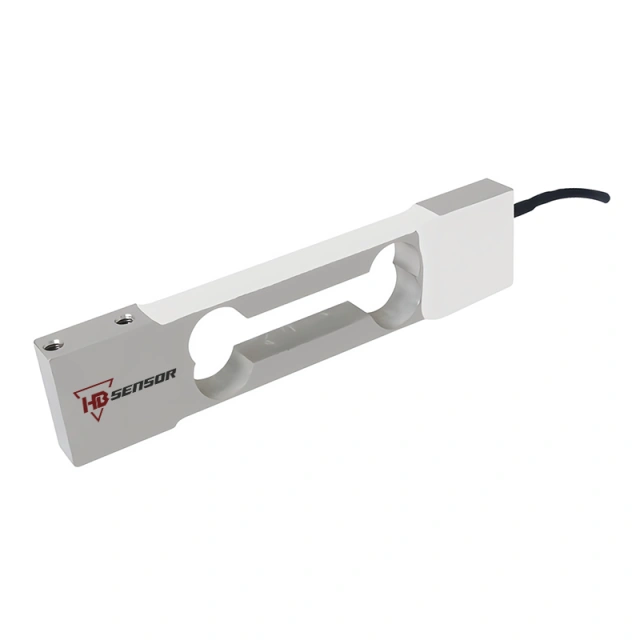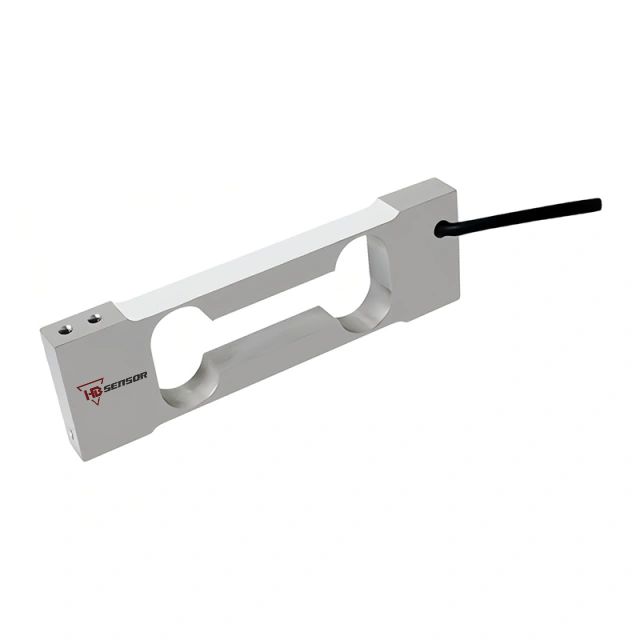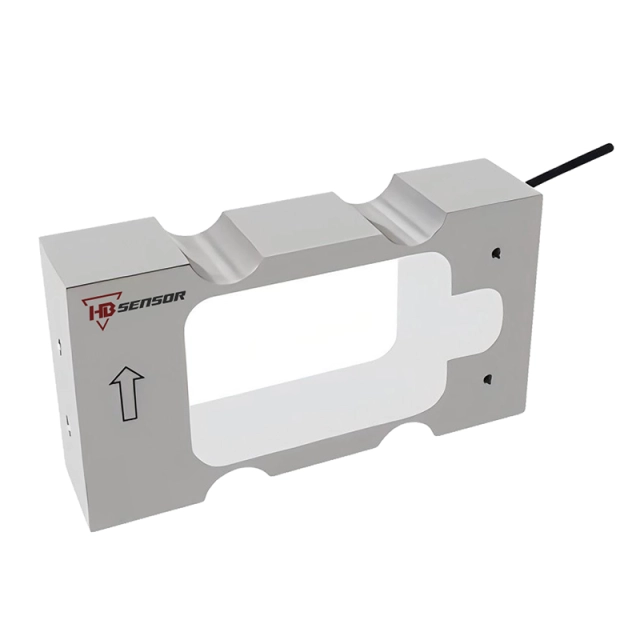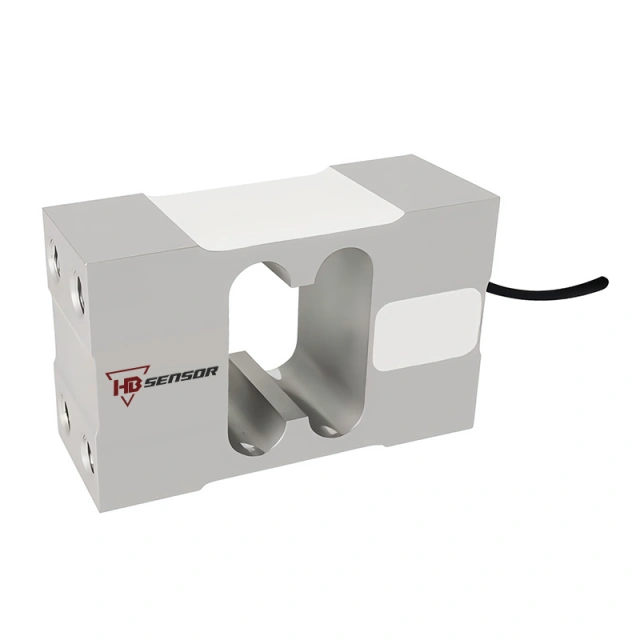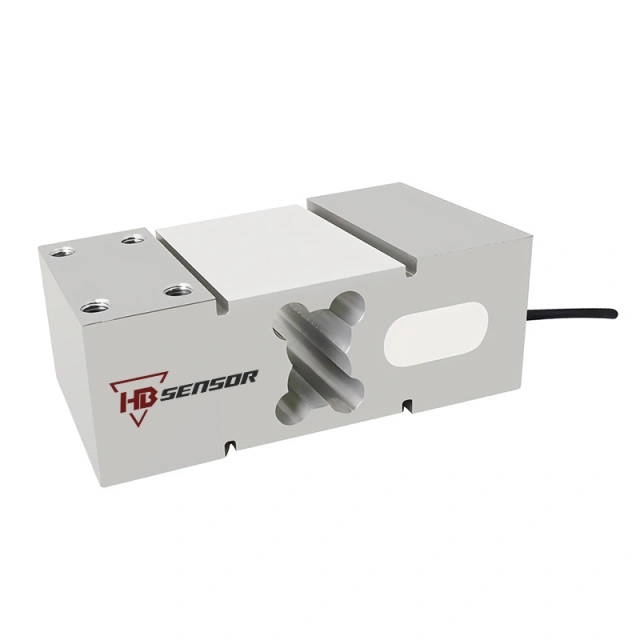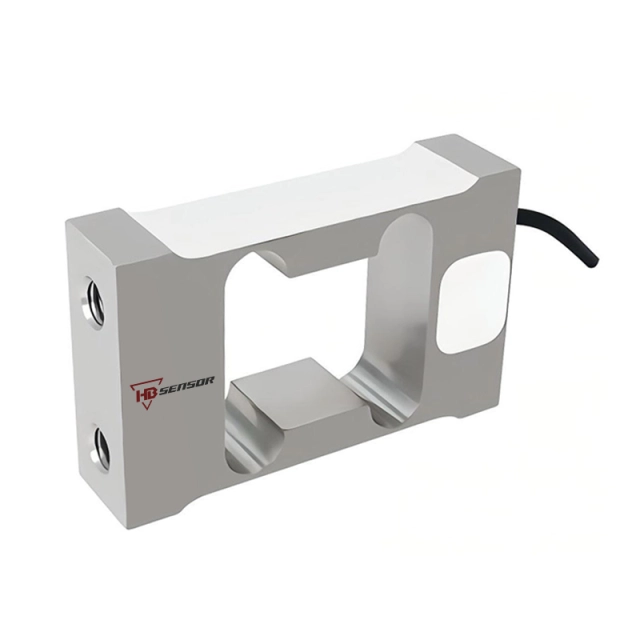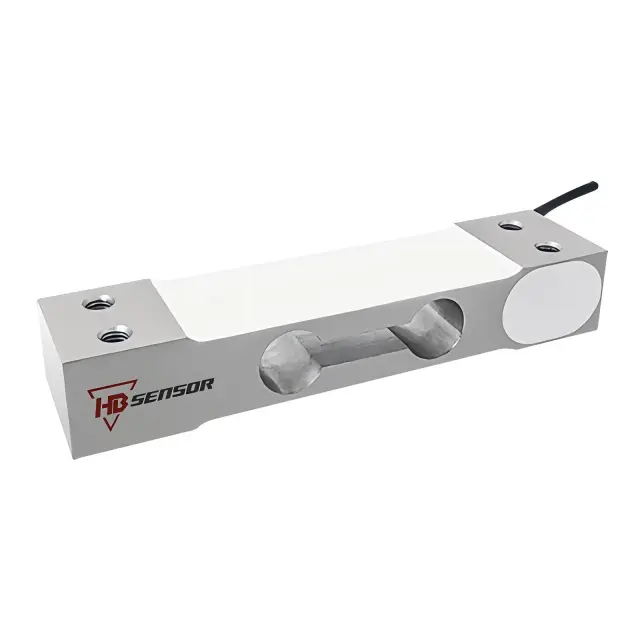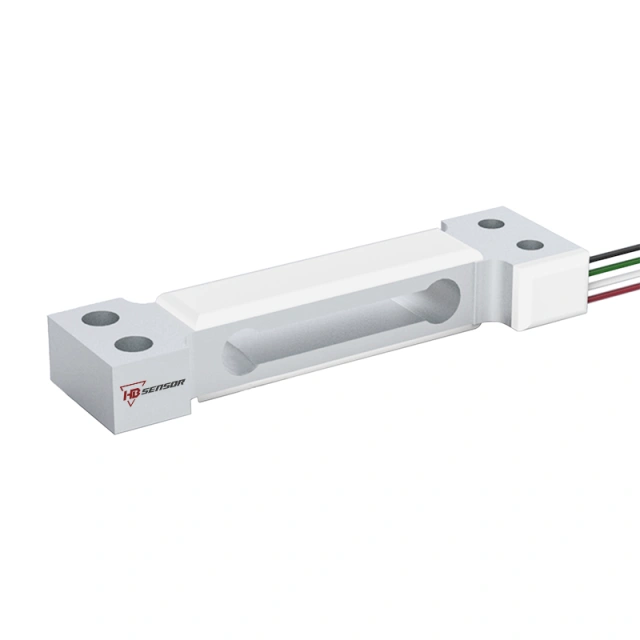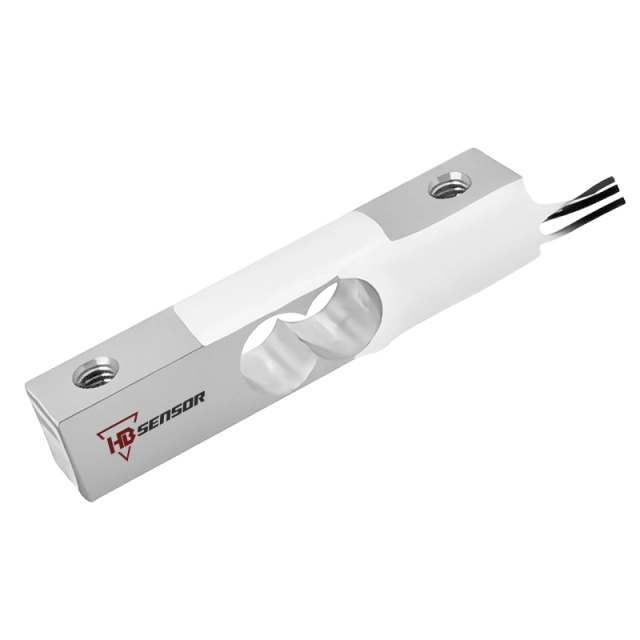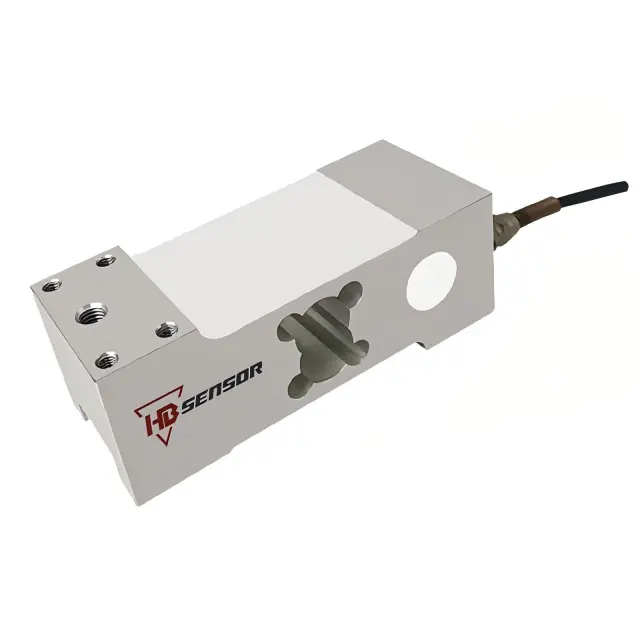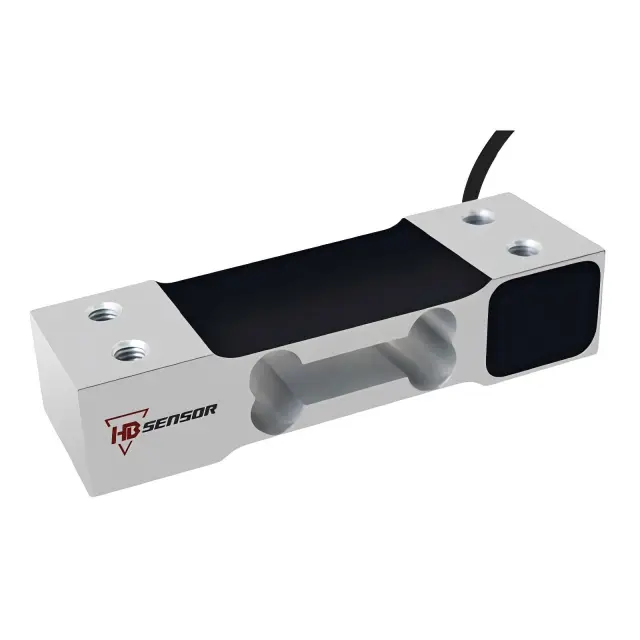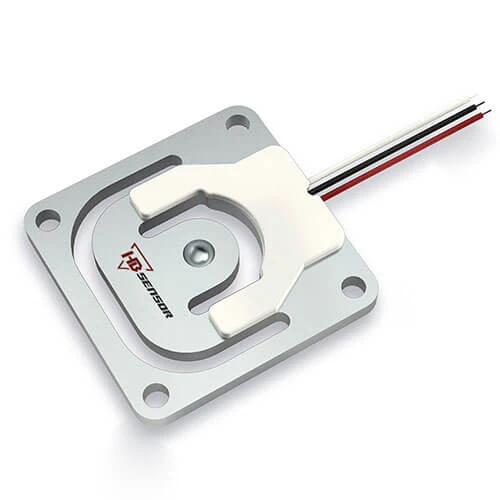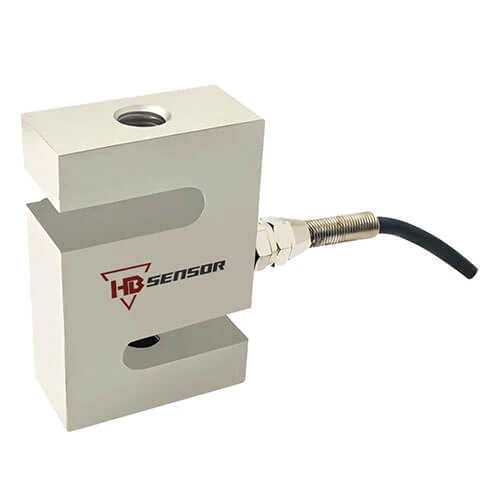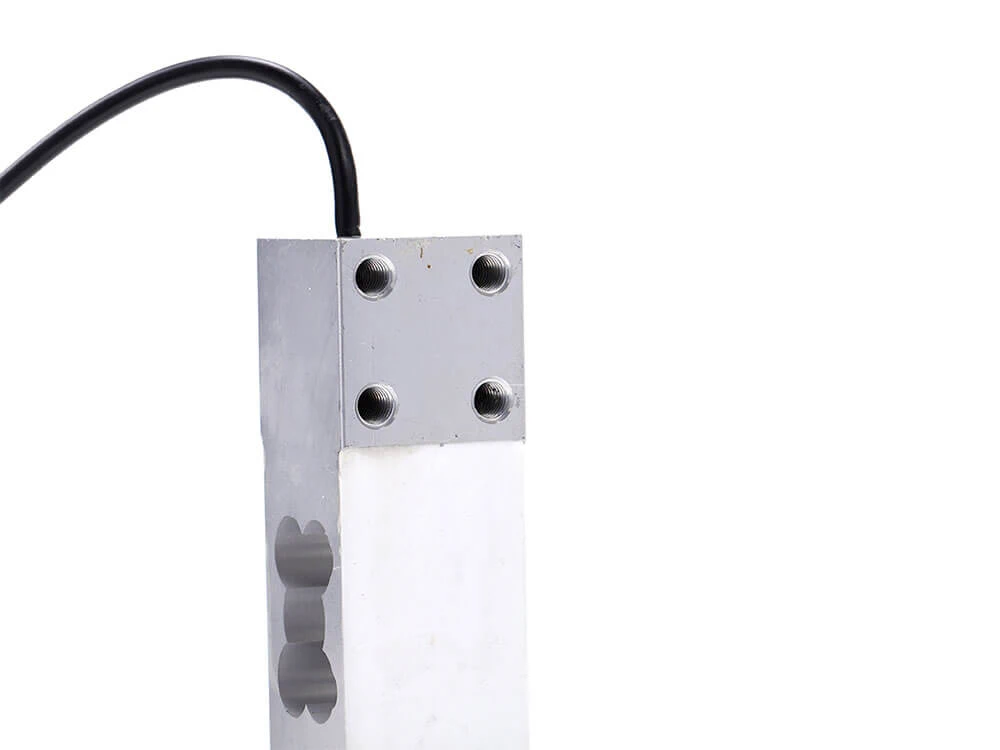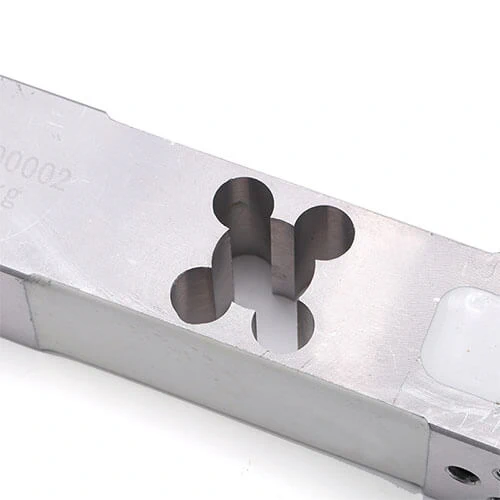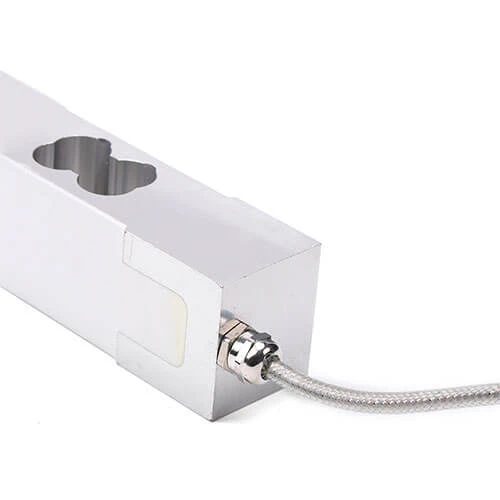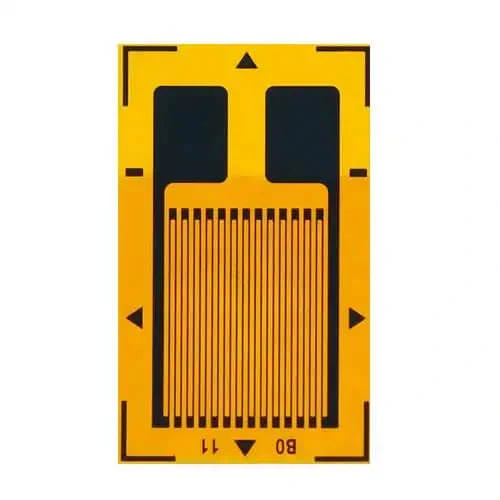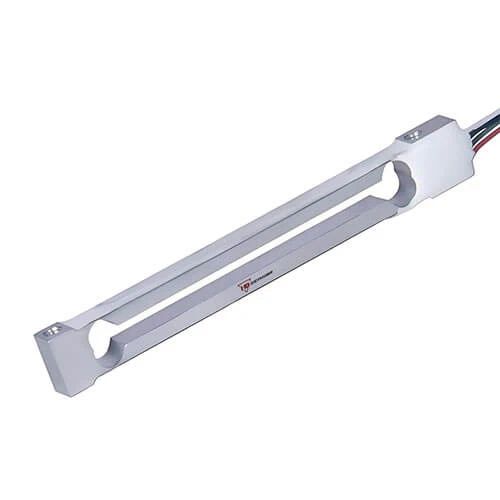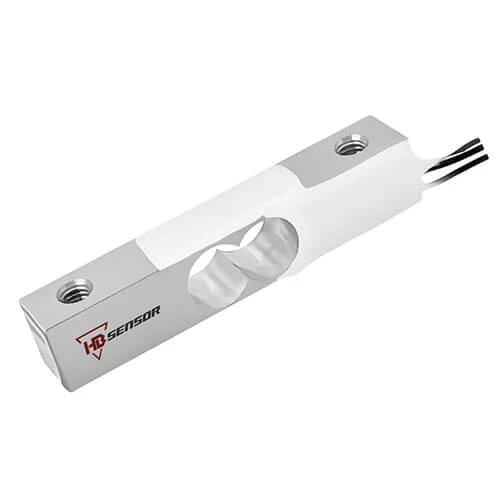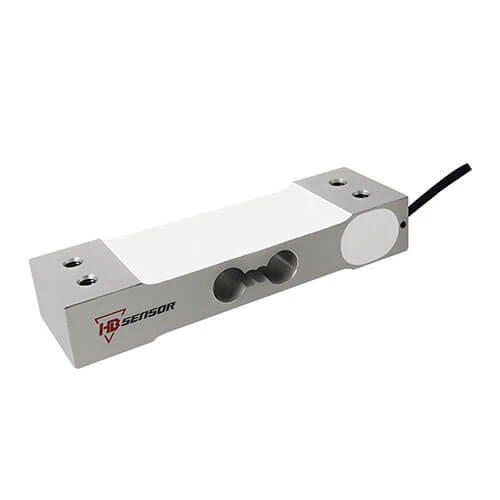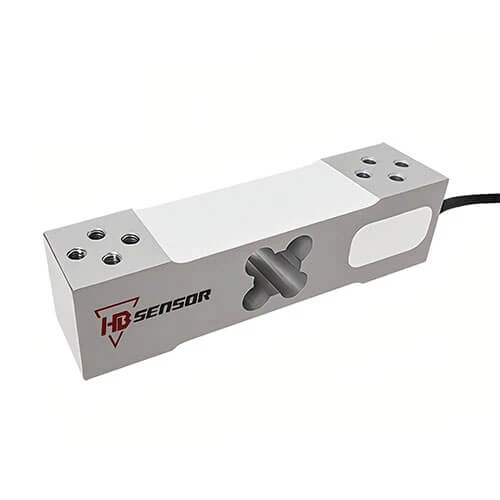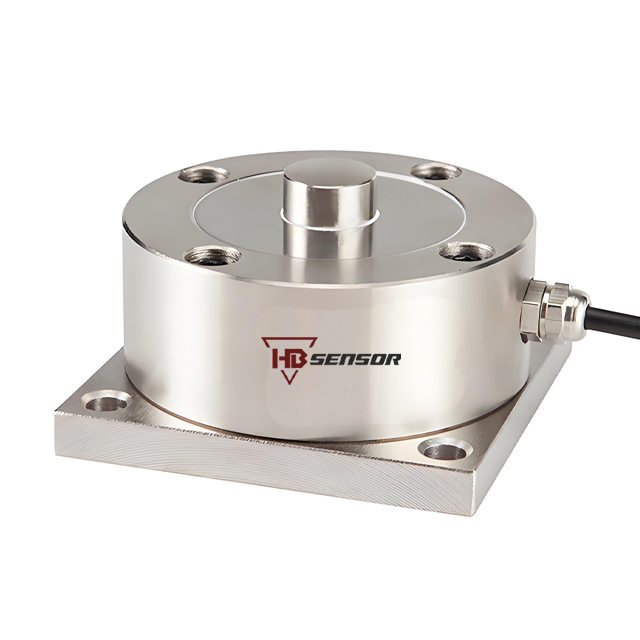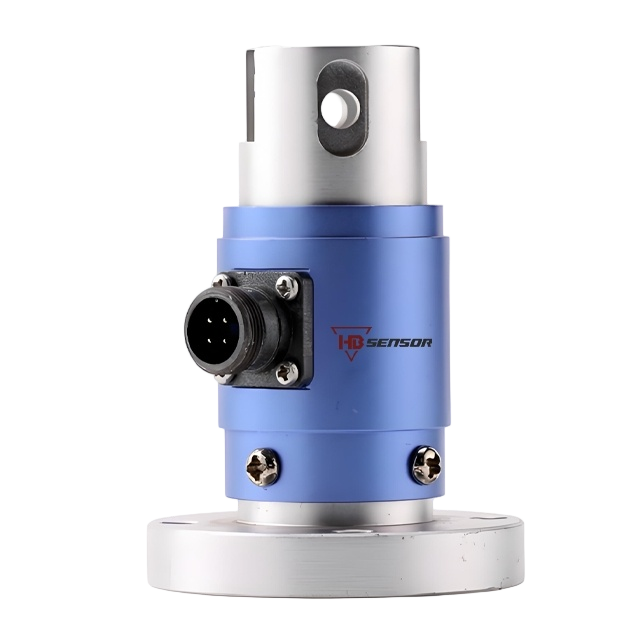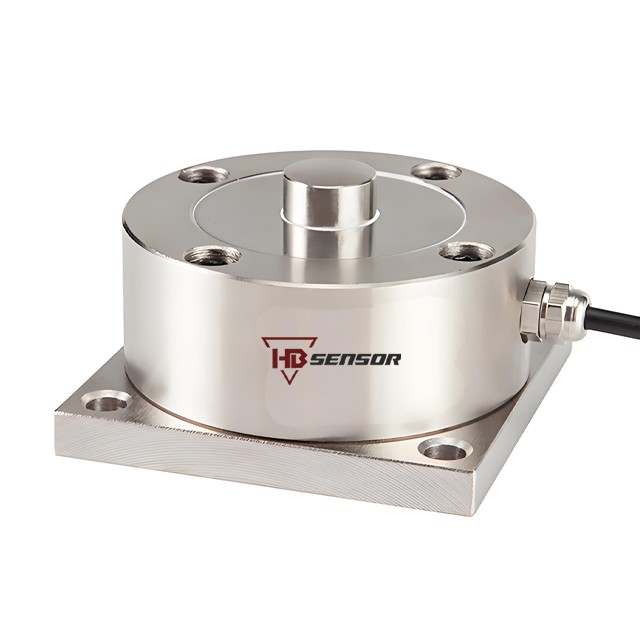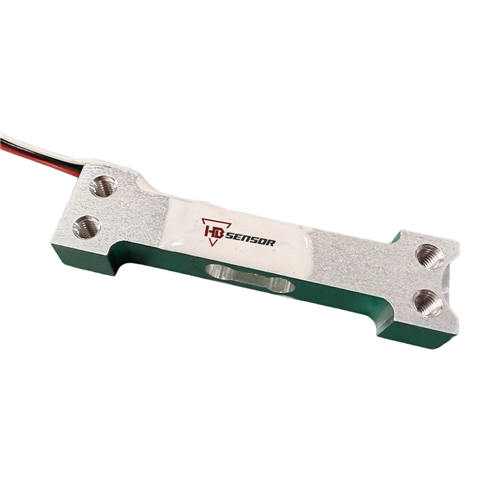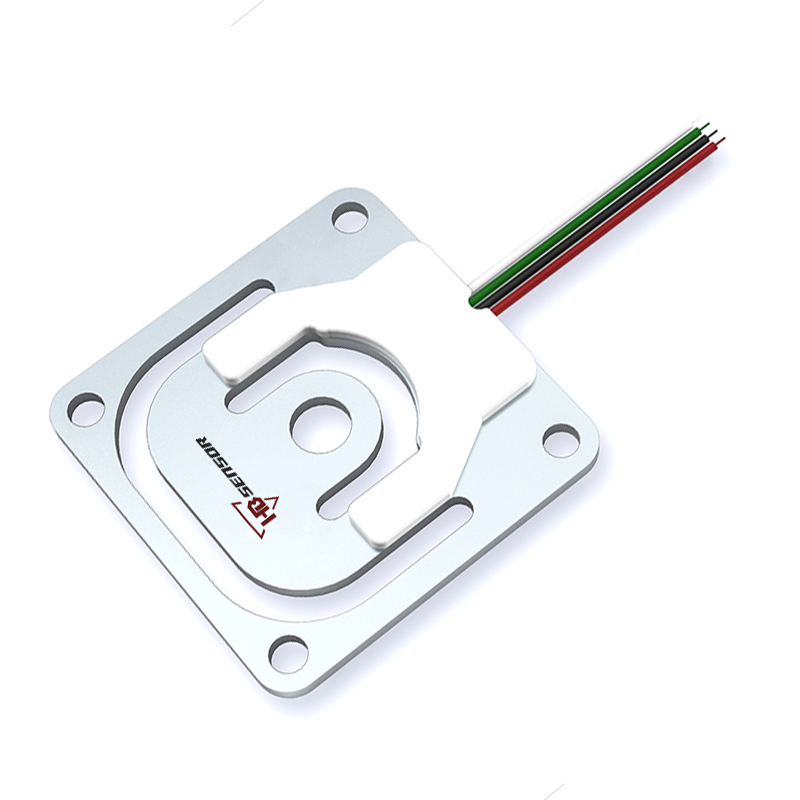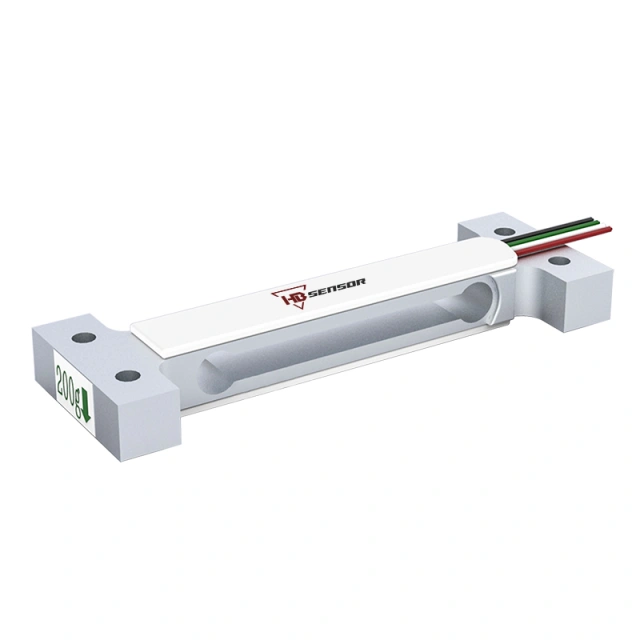

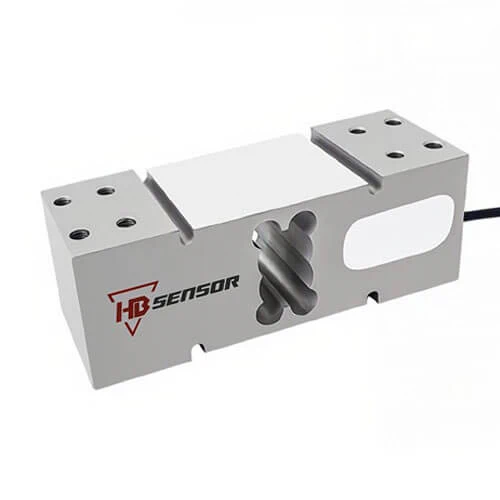

An aluminum load cell is widely used and increasingly preferred in low- to medium-capacity applications. So why not choose a steel or alloy steel load cell instead? The answer lies in aluminum’s key advantages—lighter weight, faster response, and more cost-effective performance. As a result, in applications where accuracy, responsiveness, and cost all matter, an aluminum load cell is often the more cost-efficient choice.
HAIBO Sensor is a professional manufacturer specializing in the aluminum load cell, with years of industry experience and a well-established production and quality control system. By strictly controlling critical performance factors such as non-linearity, hysteresis, and creep, we ensure high accuracy and long-term stability. We also offer a customized solution based on specific application requirements, helping meet a wide range of use cases. Our standardized and streamlined process further improves communication efficiency and reduces collaboration costs.
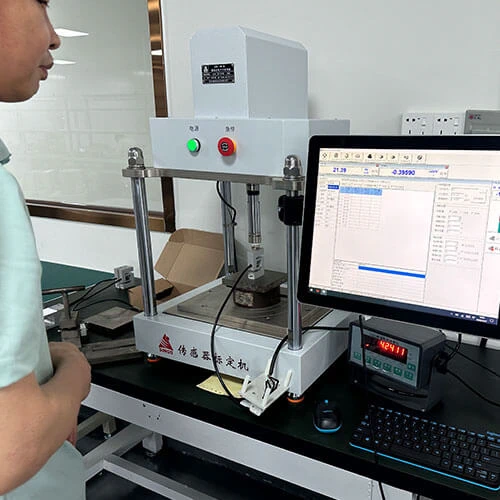
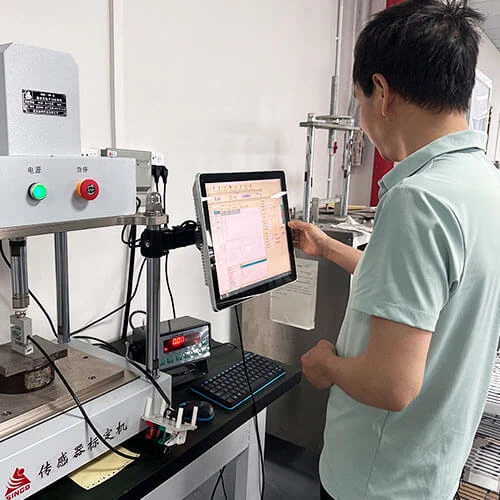
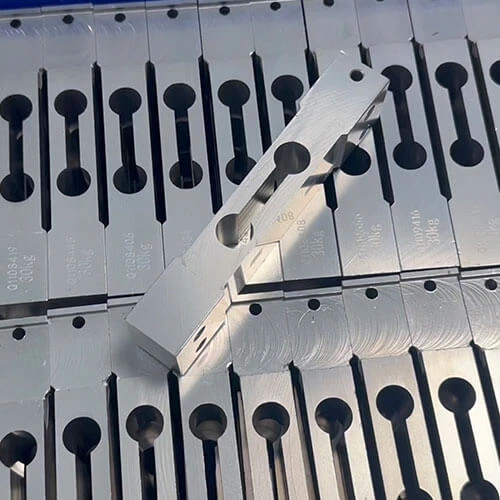
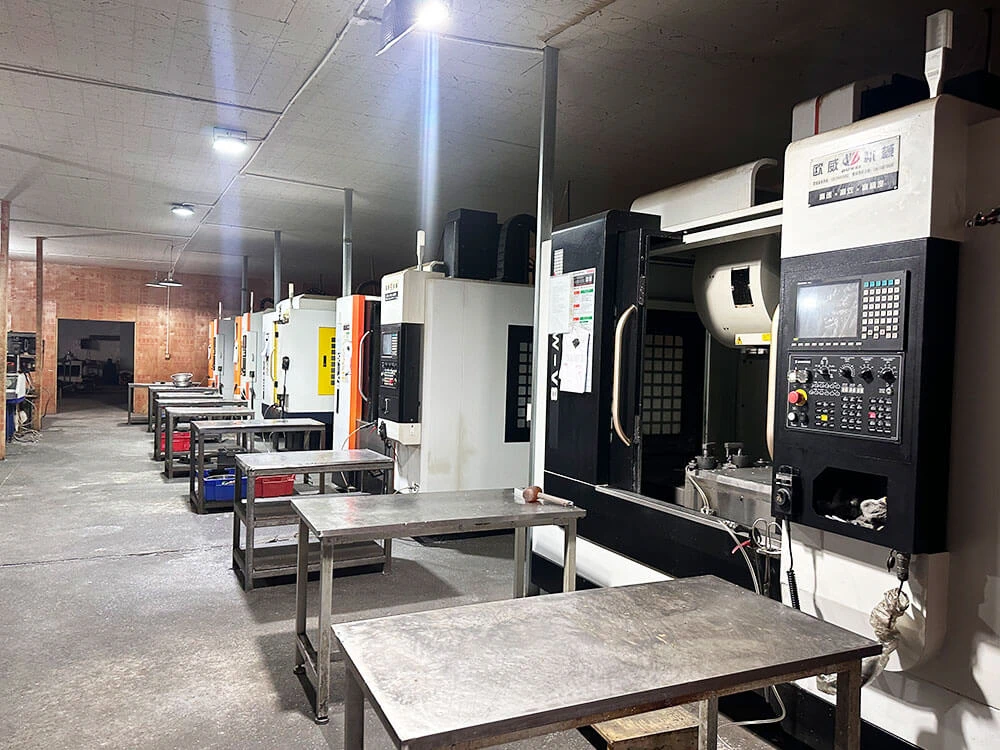
The production of high-quality aluminum load cell involves multiple critical stages. As a aluminum load cell manufacturer, we follow strict standards at every step—from aluminum material machining and strain gauge bonding to calibration and testing—to ensure that each load cell delivers high accuracy and consistent performance. Through the video below, you can also gain a better understanding of the aluminum load cell working principle.
Load cells on the market are typically made from a variety of materials, such as alloy steel, stainless steel, and aluminum alloy. For small to medium capacity applications, the aluminum load cell is an ideal choice. Aluminum offers light weight, fast response, excellent fatigue resistance, and high cost-effectiveness, making it well-suited for small to medium capacity weighing equipment and industrial force measurement systems.

With the growing demand for portable weighing devices, the lightweight design of aluminum load cell helps reduce overall equipment weight, making them ideal for applications such as portable weighing platforms, handheld scales, and medical transport scales.

In small to medium-sized equipment applications, aluminum load cell typically offer faster response performance compared to steel load cells. Under the same test conditions, after applying a standard weight, the aluminum structure can output a stable signal more quickly, significantly reducing stabilization time and improving overall weighing efficiency.

In low-capacity, high-frequency applications—such as supermarket produce sections, dry goods areas, and other environments requiring frequent and continuous weighing—aluminum load cell, with their optimized structural design and good material elasticity, can withstand long-term repeated loading and unloading cycles, ensuring consistent long-term weighing accuracy.

Compared to alloy steel and stainless steel load cells, aluminum load cell offer significant cost advantages. Their lower material cost and easier machinability help reduce manufacturing costs. Additionally, the lightweight structure lowers shipping expenses and simplifies equipment installation and integration, further optimizing total cost.
With their lightweight structure, fast response, and stable performance, aluminum load cell have been widely adopted across many industries and applications. They are particularly well-suited for small to medium capacity, precision measurement, and applications where installation space and equipment weight are concerns, making them an ideal choice for various weighing and force measurement systems.

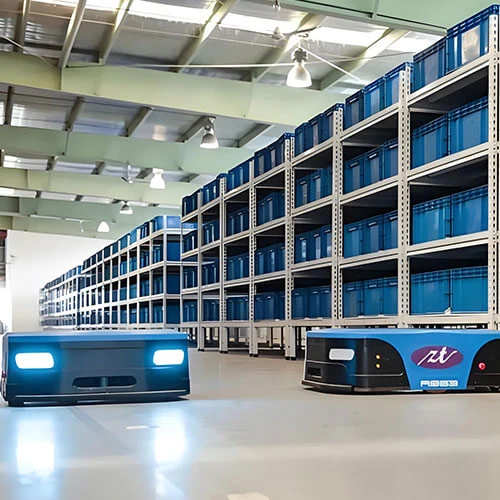
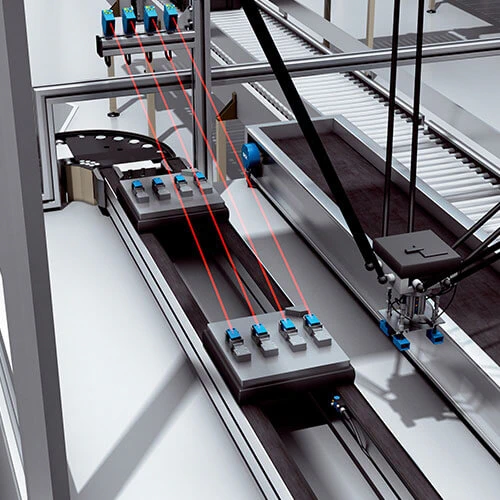
In logistics and transportation, aluminum load cell are widely used in dynamic checkweighers for fast weighing of parcels and small packages. They deliver stable load cell output during high-frequency operation, improving overall sorting efficiency.

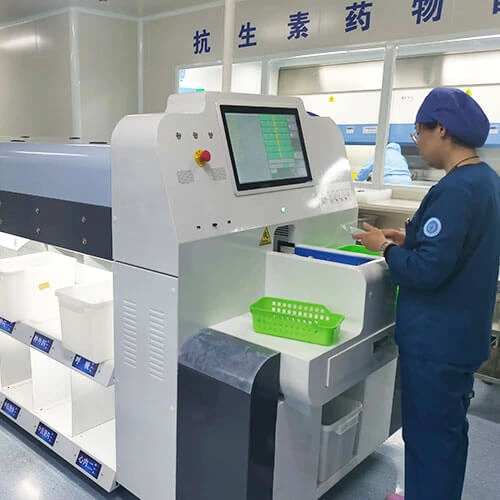
In the medical device industry, aluminum load cell are commonly used in various weighing systems, such as patient scales, pharmaceutical dispensing scales, and medical testing equipment. In applications like pharmaceutical dispensing that require high-speed, high-precision weighing, they enable stable and reliable weight measurement.

Smart cafeterias are becoming increasingly popular. Customers can select dishes on their own, and the weighing system calculates charges based on weight. With high-precision weighing equipment, vendors can quickly automate pricing and checkout, improving operational efficiency.

As application scenarios continue to expand, aluminum load cell are also entering the smart home field. For example, in pet feeders, they can be integrated into the base of the bowl to monitor remaining food weight in real time, enabling precise feeding and low-food alerts.

In agricultural and farming applications, aluminum load cell are widely used in automatic grading systems and animal weighing systems. They enable fruit and vegetable sorting based on weight, as well as long-term monitoring and analysis of livestock growth data.

Aluminum load cell also play an important role in unattended retail and smart shelf systems—by providing real-time weight detection, they enable product identification, inventory monitoring, and automatic data updates, supporting automated retail operations.
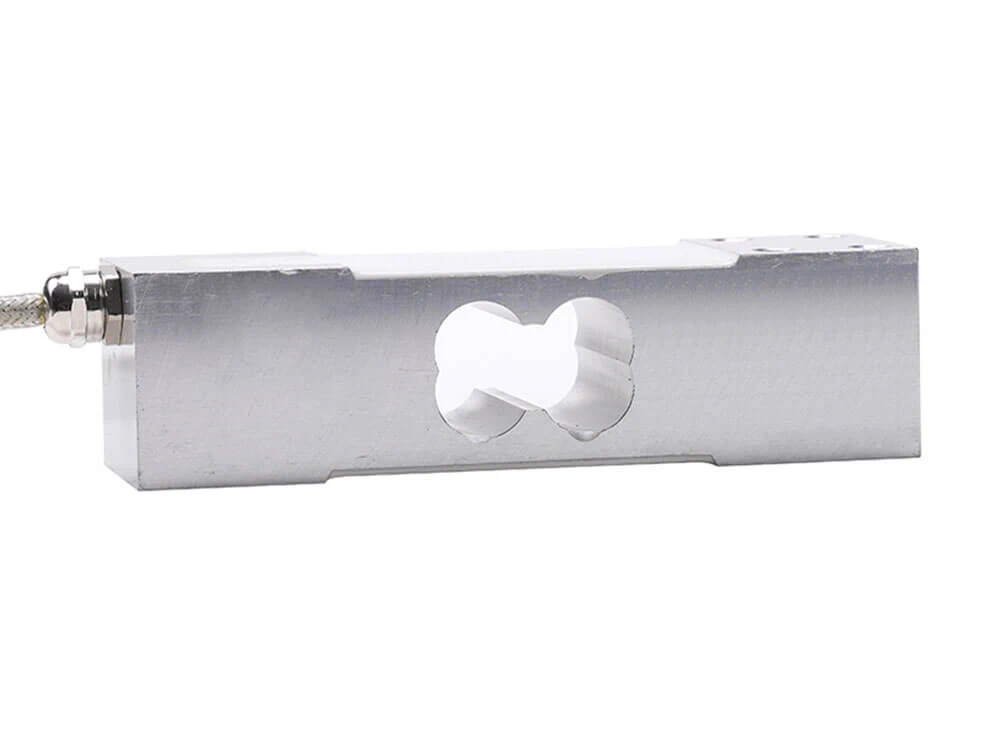
Although aluminum load cells are not limited to a single structural type and can be found in configurations such as single point load cell, S-type, or bending beam load cells, the single point load cell structure is the most commonly used in practical applications—especially in small to medium capacity weighing scenarios. This is because the aluminum single point load cell design is well suited to the demands of compact structure, stable performance, and cost efficiency, making it ideal for platform scales and similar applications.


The high load cell accuracy of aluminum load cell is not determined by a single factor but rather results from the combined effect of multiple key performance parameters. It is also important to note that accuracy specifications typically vary with the capacity range. Using a 1–50 kg capacity range as an example, the following demonstrates the high accuracy of our aluminum load cell.

Nonlinearity error refers to the maximum deviation between the sensor’s actual output and the ideal linear relationship. The smaller this value, the closer the measurement is to the true value. Our aluminum load cell achieves nonlinearity within ±0.015% of R.O., meeting the standards of high-precision industrial applications.
The smaller these values, the higher the precision and stability of the sensor. In conventional industrial applications, a C3-class sensor per OIML R60 typically has hysteresis and non‑repeatability in the range of ±0.015% to ±0.020% of R.O. Our product achieves ±0.010% of R.O., outperforming standard C3-class industrial levels.


Creep is the gradual change in output signal over time while the sensor is under a constant load. The lower the value, the more stable the data during prolonged weighing. This is especially critical for laboratory equipment, medical devices, and precision batching systems.
This parameter indicates how changes in ambient temperature affect the zero point (zero shift) and sensitivity (span shift) of the load cell. The lower the value, the better the temperature compensation performance. Even in environments with significant temperature fluctuations—such as outdoor settings, cold storage areas, or high-temperature workshops—proper load cell calibration helps maintain measurement accuracy and ensures long-term stability.

What is the main capacity range for aluminum load cell? Aluminum load cell are primarily used in small to medium capacity weighing equipment—the optimal capacity range is 1 kg to 200 kg. The 200 kg to 500 kg range is a borderline zone that requires careful consideration. Capacities exceeding 500 kg are not recommended. In daily use, depending on capacity, common weighing equipment can be divided into the following four categories:

Commonly found in small, precision measuring devices that demand extremely high accuracy. Error is typically controlled within ±1 g (jewelry scales can achieve ±0.1 g). Typical applications include kitchen scales, precision balances, and jewelry scales, suitable for scenarios with strict measurement accuracy requirements.

Includes retail checkout scales (supermarket, produce scales), small packaging scales, etc. In this range, aluminum load cell provide resolution up to 1/30,000 (equivalent to 1 g display precision) and stabilization time ≤0.5 seconds, meeting the need for high‑frequency, fast weighing in high‑traffic environments.

Suitable for parcel scales, courier weighing devices, and small to medium packaging systems, meeting the weighing needs of most logistics and packaging applications. This range is a mature application area for aluminum load cell, balancing precision and cost while meeting the stability requirements of continuous operation.

Widely used in bench‑type weighing scenarios such as electronic platform scales, price computing scales, counting scales, industrial bench scales, and medical body scales, especially for body weight measurement. The single‑point structure provides excellent off‑center load tolerance, eliminating the need for multiple sensors on large‑platform applications, thereby simplifying system design and reducing costs.
In addition to standard models, we also offer custom load cell solutions to meet the needs of different application scenarios. We understand that load cells are not one-size-fits-all products, and different equipment may vary in dimensions, structure, capacity, and mounting methods. Therefore, customization capability is one of the key strengths of our factory.

Leveraging the easy machinability and formability of aluminum, combined with our experienced engineering team and mature production capabilities, we can provide custom design and manufacturing based on customer requirements—ensuring stable performance and good cost control. The customization process is simple: customers only need to provide drawings, specifications, or application requirements. We will then create 3D models and confirm the technical solution. After sample testing and performance verification, we move to mass production. Additionally, we support OEM services and can perform batch production and delivery according to your brand requirements, making us a reliable manufacturing partner for you.
If you are looking to purchase aluminum load cells, or would like to learn more about how to use a load cell or inquire about aluminum load cell pricing, please feel free to contact us. As an experienced aluminum load cell supplier, we are happy to use our expertise to provide you with professional support and solutions.
您可以获得该型号的价格,也可以向我们提出任何问题,了解您想知道的任何信息,我们将尽快给您答复。