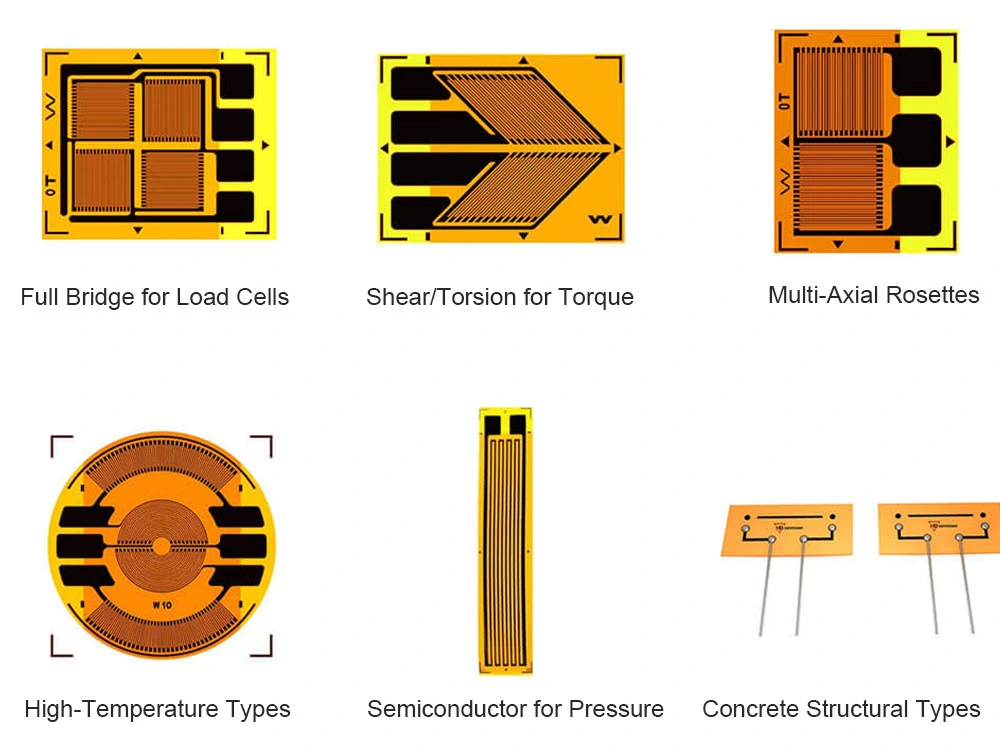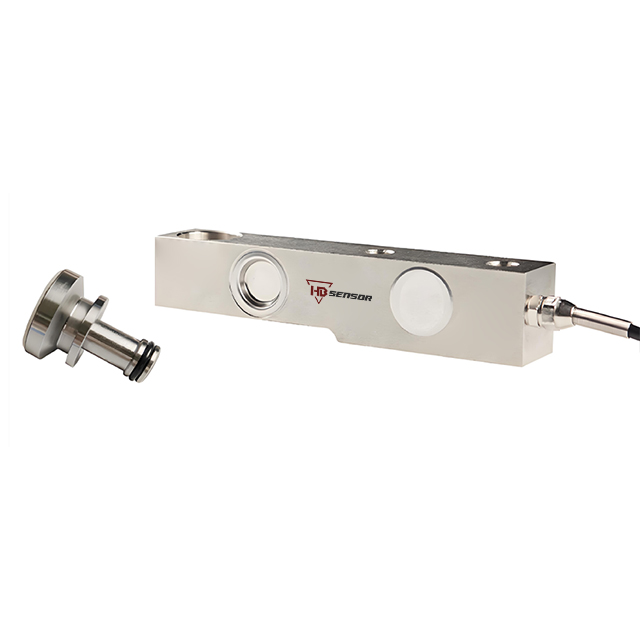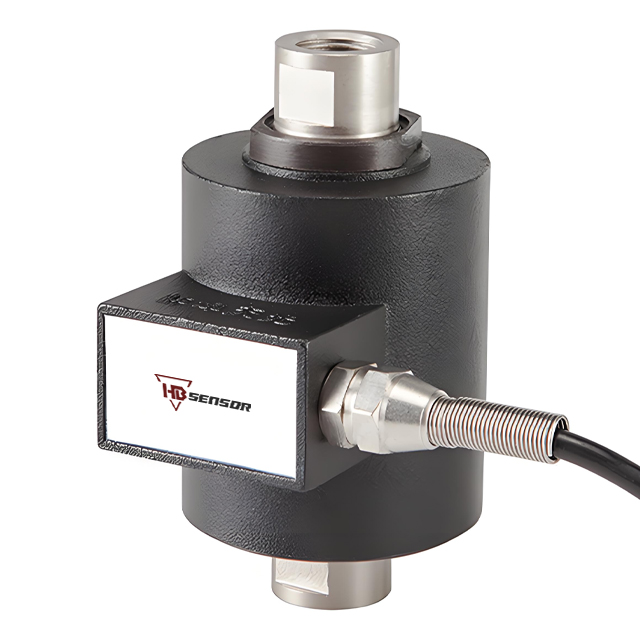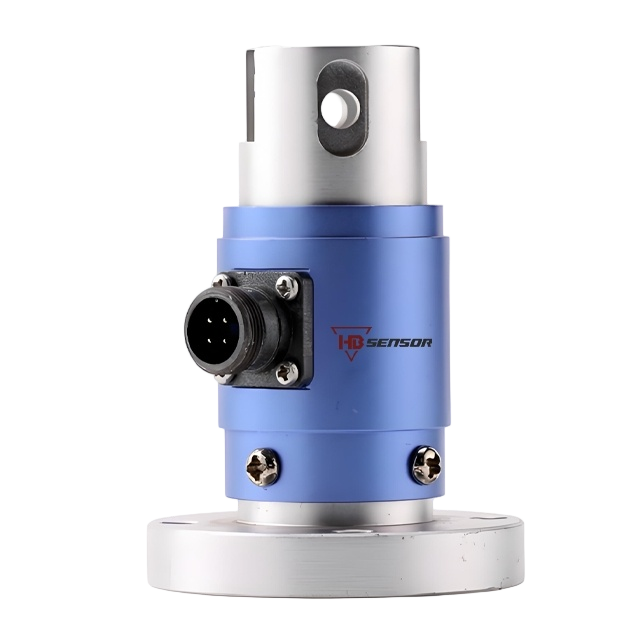

Strain gauges are among the most critical sensing elements in modern load cells, directly affecting measurement accuracy, stability, and reliability. Thanks to their high accuracy, cost-effectiveness, and excellent environmental adaptability, strain gauges have become the most widely adopted sensing technology in load cell manufacturing.
However, different strain gauge types are suitable for different strain gauge applications, depending on requirements such as sensitivity, operating temperature, and long-term stability. Selecting the wrong type may adversely affect the long-term stability and measurement performance of a sensor. Therefore, understanding the characteristics of different strain gauge types is essential for load cell design and selection. As a professional load cell manufacturer, this article introduces the most common strain gauge types to help you identify the solution that best fits your application requirements.
A thorough understanding of the strain gauge working principle helps users better understand sensor design and applications. For engineers, this knowledge supports product selection, structural design, and troubleshooting. For non-technical personnel, it helps build familiarity with key concepts and technical terminology, enabling more efficient communication with engineering teams.
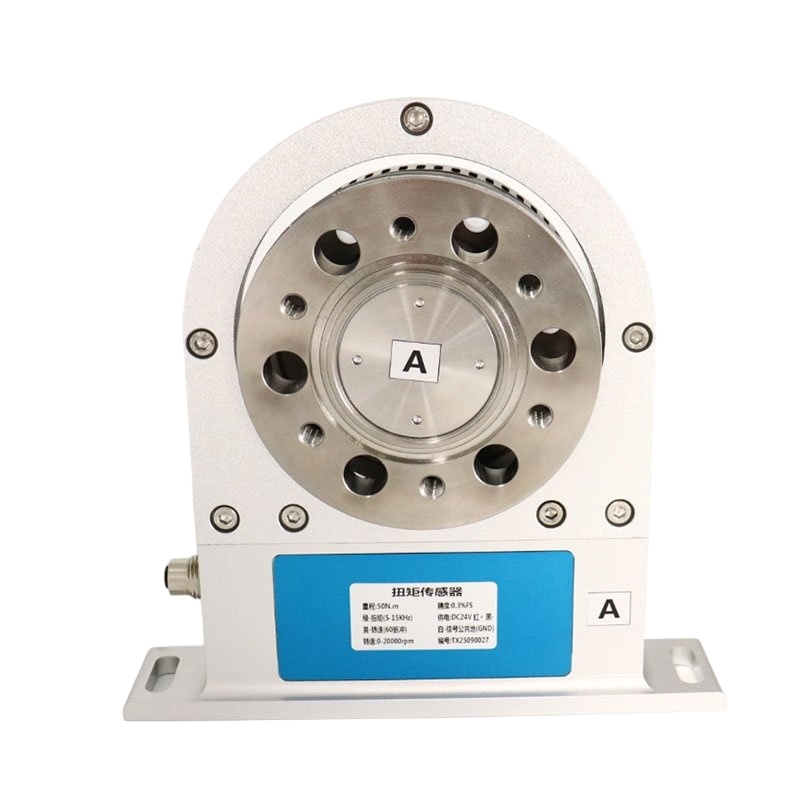
The operating principle of a strain gauge is based on the resistive strain effect. When the elastic element of a sensor is subjected to an external force, it undergoes mechanical deformation. The strain gauge bonded to its surface deforms simultaneously, causing its electrical resistance to change in proportion to the applied strain. By connecting multiple strain gauges in a Wheatstone bridge, these minute resistance changes can be converted into measurable voltage signals, enabling precise measurement of physical quantities such as force, pressure, and torque. This fundamental working principle forms the basis of numerous strain gauge applications and is widely used in strain gauge sensors such as load cells, pressure sensors, force sensors, and torque sensors.
| 参数 | Metal Strain Gauges | Semiconductor Strain Gauges |
| 敏感性 | Typically 2–5 | Typically 50–200 |
| Temperature Stability | Excellent | Relatively poor (requires temperature compensation) |
| Long-Term Stability | Excellent | Moderate |
| Cost | Low to moderate | High |
| 典型应用 | Industrial load cells, weighing systems, force measurement | Precision sensors, MEMS devices, aerospace instrumentation |
Based on sensing grid structure, metal strain gauges can be broadly classified into three types: Wire Strain Gauges, Foil Strain Gauges, and Thin-Film Strain Gauges.
Wire Strain Gauge: As the earliest type of strain gauge developed, wire strain gauges are constructed from fine metallic wires arranged in a grid pattern. They feature a simple structure and high mechanical strength. However, the curved end sections generate significant transverse effects, resulting in relatively lower measurement accuracy and long-term stability. With advances in manufacturing technology, wire strain gauges have gradually been replaced by higher-performance foil and thin-film strain gauges and are now used primarily in educational experiments and low-frequency dynamic testing.
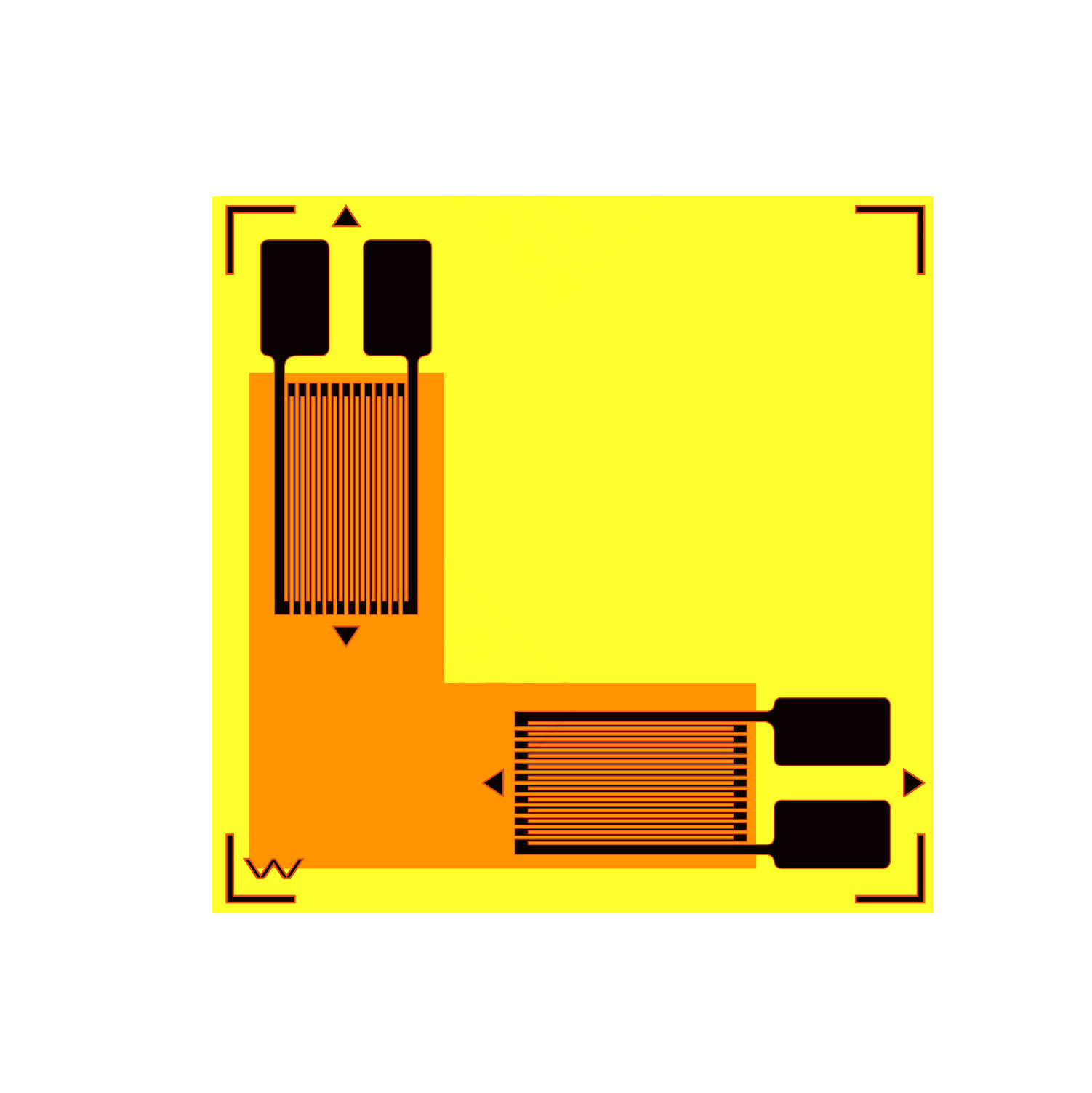
Foil Strain Gauge: Foil strain gauges are manufactured by chemically etching metallic foil into a grid pattern using photolithographic processes. Their thickness typically ranges from 0.003 to 0.01 mm. Compared with wire strain gauges, they offer superior heat dissipation, excellent long-term stability, low creep, minimal mechanical hysteresis, and extended service life. Due to their mature manufacturing technology, excellent repeatability, and cost-effectiveness, foil strain gauges have become the dominant type used in industrial load cells and general stress analysis applications.
Thin-Film Strain Gauge: Thin-film strain gauges are produced using thin-film deposition technologies such as vacuum evaporation or ion sputtering, which directly deposit the sensing grid onto the substrate surface. Their thickness can reach the micron or even submicron level. Thin-film strain gauges provide high accuracy, excellent stability, and fast response speed. However, their manufacturing process is relatively complex and costly. As a result, they are primarily used in aerospace, high-end pressure sensors, and other applications requiring exceptional precision and reliability.
Unlike metal strain gauges, semiconductor strain gauges are generally not classified by sensing grid structure (such as wire, foil, or thin-film types). Instead, they are typically categorized according to semiconductor material and manufacturing process. Based on material, semiconductor strain gauges can be divided into silicon strain gauges and germanium strain gauges, with silicon being the most widely used.
The primary advantage of semiconductor strain gauges is their exceptionally high sensitivity, which is typically 50 to 100 times greater than that of metal strain gauges. However, they also have certain limitations, including high temperature sensitivity, relatively high cost, and poorer long-term stability. Consequently, semiconductor strain gauges are mainly used in applications requiring extremely high sensitivity or miniaturization, while metal strain gauges remain the preferred choice for most industrial load cell applications.
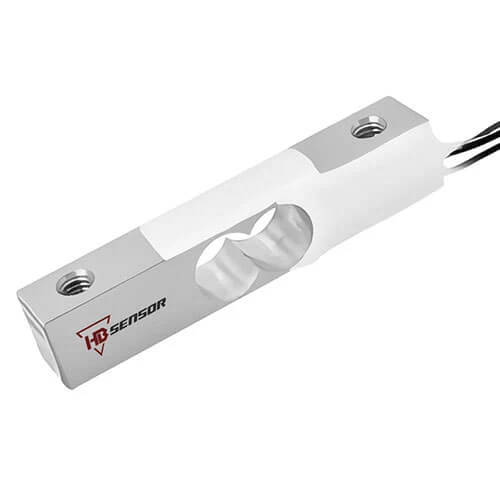
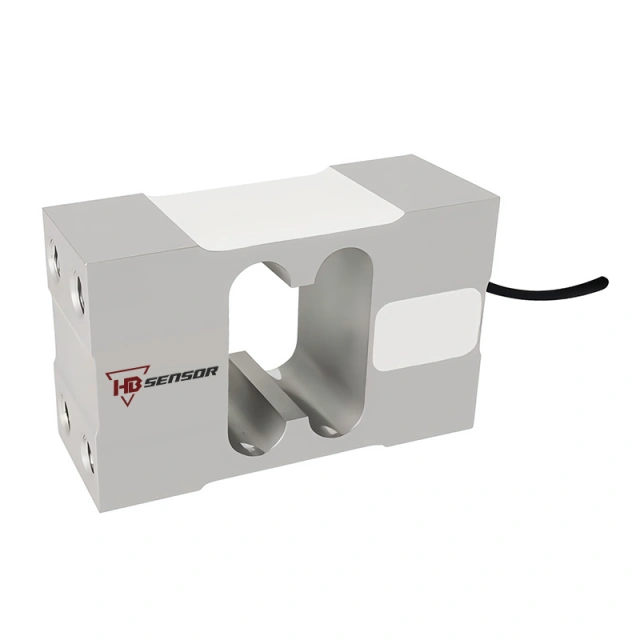
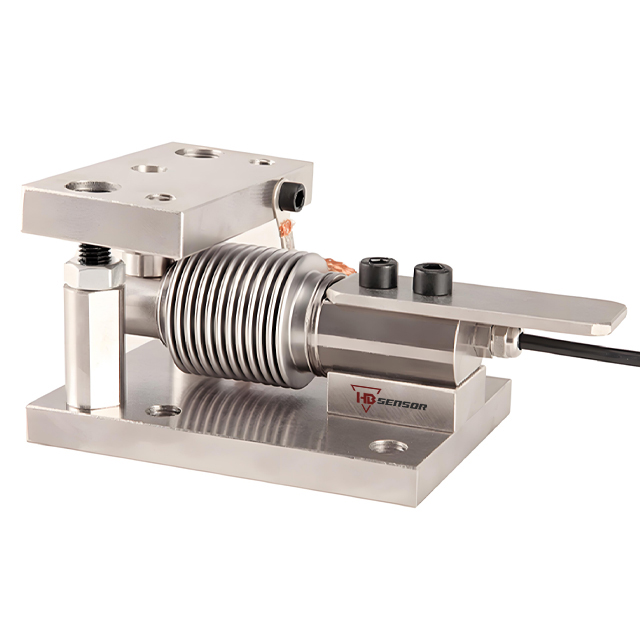
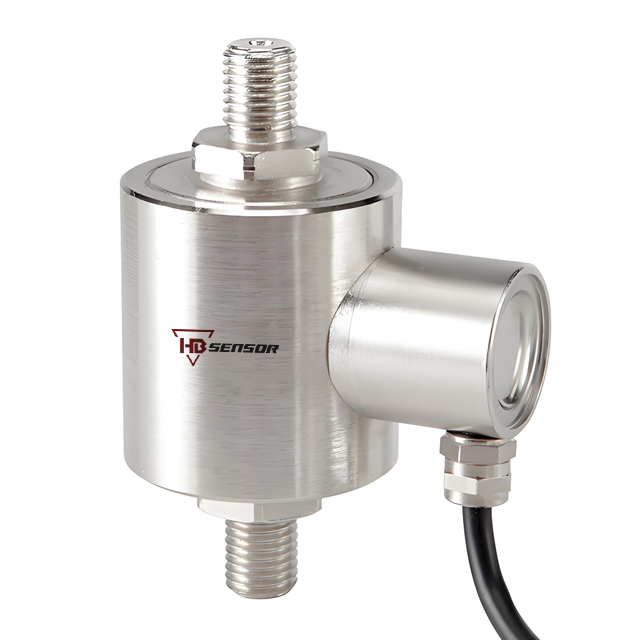
With 25 years of experience in strain gauge R&D and manufacturing, we not only produce a wide range of finished sensors but also independently develop and manufacture core strain gauge elements. Our product portfolio covers a full range of series, including EB, HB, GB, HA, BB, and KA. Through vertically integrated manufacturing—from strain gauges to finished sensors—we maintain full control over core technologies and product quality, enabling us to deliver stable performance, shorter lead times, and flexible OEM/ODM customization services. Below are some of the major strain gauge series manufactured at our facility.

The type of strain gauge has a significant impact on the performance, stability, and service life of a load cell. During the selection process, factors such as application requirements, accuracy requirements, operating temperature range, and cost budget should all be carefully considered to ensure optimal measurement performance.
For most conventional industrial weighing applications—such as platform scales, hopper scales, belt scales, and tank weighing systems—foil strain gauges are the preferred option. Their mature manufacturing process, excellent long-term stability, reliable temperature compensation, and outstanding cost-performance ratio enable them to meet the requirements of the vast majority of industrial weighing applications.
If your application requires extremely high sensitivity, such as micro-force measurement or miniature sensor design, semiconductor strain gauges may be a better choice. Their gauge factor can be 50 to 100 times higher than that of metal strain gauges, providing stronger output signals and helping simplify downstream signal amplification circuitry. However, semiconductor strain gauges exhibit relatively large temperature drift and usually require additional temperature compensation measures.
For extreme operating environments, such as high temperatures (>150°C), cryogenic conditions, or high-vibration applications, thin-film strain gauges are worth considering. They are widely used in aerospace, engine monitoring, and other demanding applications requiring superior reliability and environmental resistance.
If you are not sure which strain gauge type is suitable for your application or need strain gauge price information, our engineering team can provide professional selection support and customized solutions based on your requirements, including capacity, accuracy, operating temperature, installation constraints, and cost targets. Feel free to contact us for tailored technical support and quotation assistance for your project.
In summary, strain gauges can be broadly divided into two main categories: metal strain gauges and semiconductor strain gauges. Among them, foil strain gauges have become the most widely used sensing element in strain gauge load cells due to their excellent stability, mature manufacturing processes, and cost-effectiveness. They are also the primary type of strain gauge used in our manufacturing process.
Based on the resistive strain effect, strain gauge sensors serve as the core sensing element in a wide range of measurement applications, including load cells, pressure sensors, force sensors, and torque sensors. Among these applications, load cells represent the most important and widely adopted field, particularly for foil strain gauge technology.
我们是中国专业的称重传感器产品制造商,如有任何需求,请联系我们,我们将为您的项目提供任何定制解决方案!
您可以获得该型号的价格,也可以向我们提出任何问题,了解您想知道的任何信息,我们将尽快给您答复。