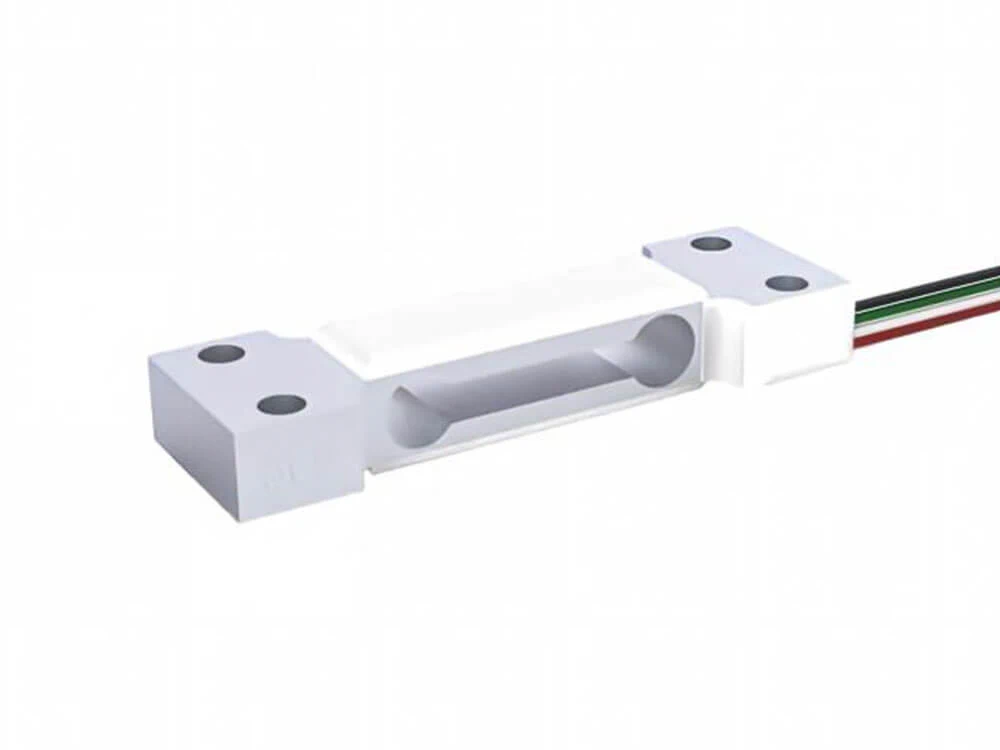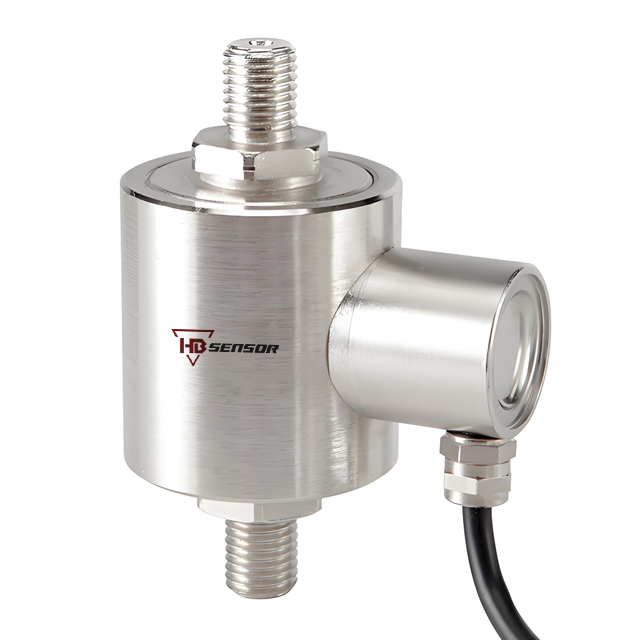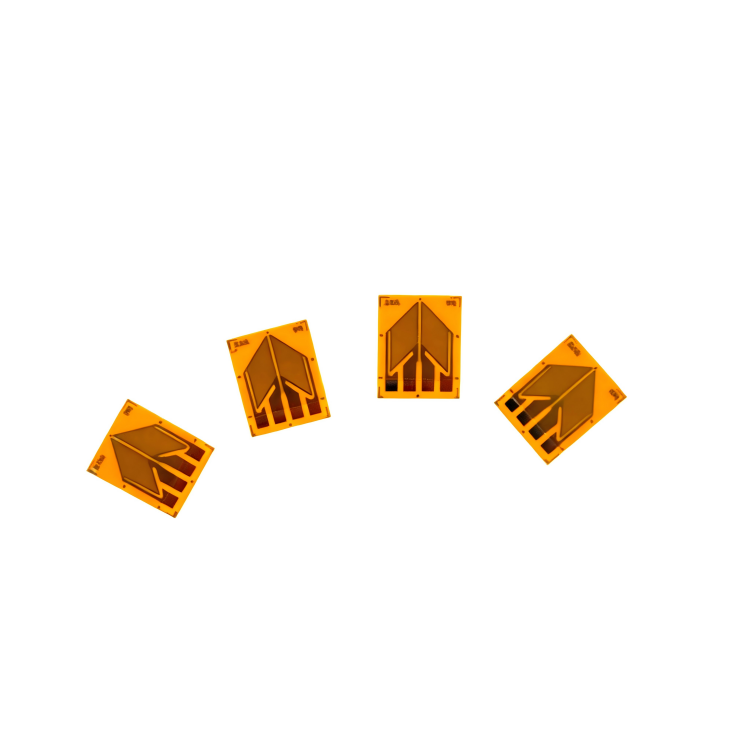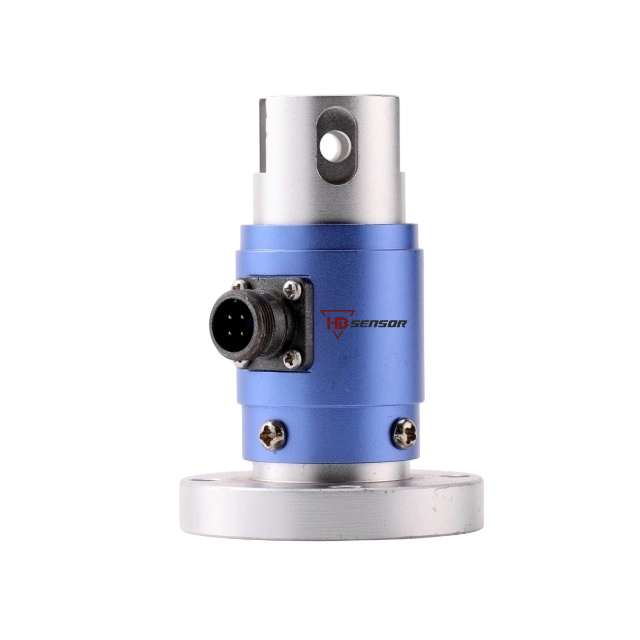

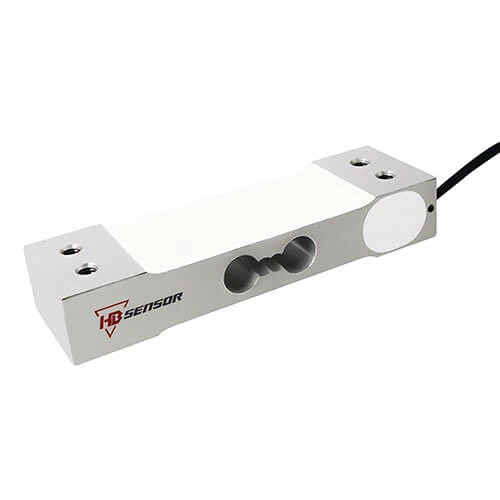

The 2kg load cell is a low-capacity load cell designed to accurately measure loads of up to 2 kg. It is widely used in lightweight weighing applications, including kitchen and baking scales, precious metal weighing, small electronic scales, and other devices that require precise weight measurement. Depending on its design and loading direction, it can also be used for low-force measurement applications.
As an experienced 2kg load cell manufacturer, HAIBOSENSOR has more than 15 years of R&D and manufacturing experience and provides high-precision load cells in various configurations, dimensions, and capacities. Custom 2kg load cell solutions are also available for specific equipment and weighing requirements.
A 2kg load cell is not limited to a single structure—it can be flexibly selected based on device design, force direction, mounting space, and measurement requirements. Choosing the appropriate structure helps ensure proper sensor installation and stable, accurate measurement performance. The three most common load cell types are single-point, bending beam, and S-type. Each is suited to different applications—let’s examine them one by one.

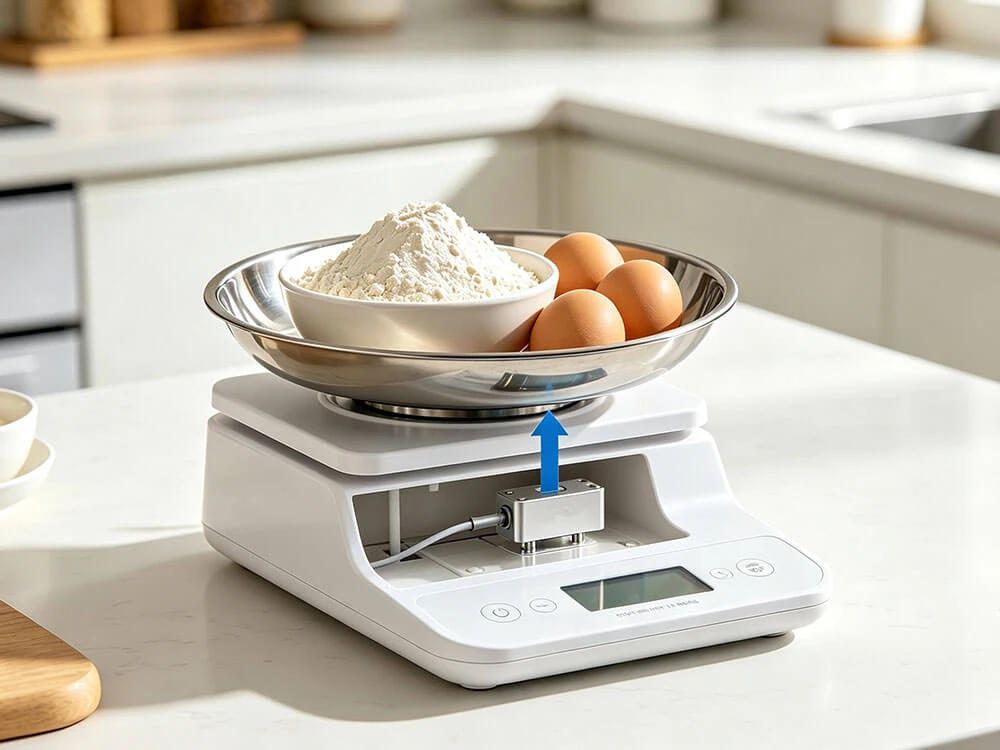
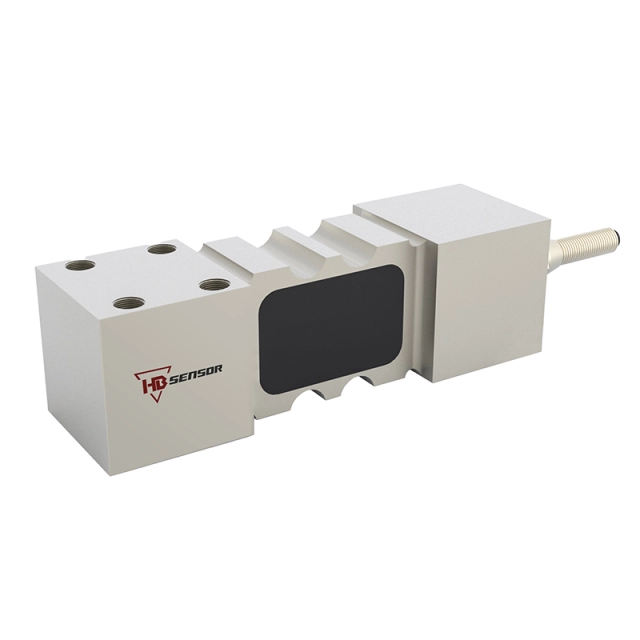
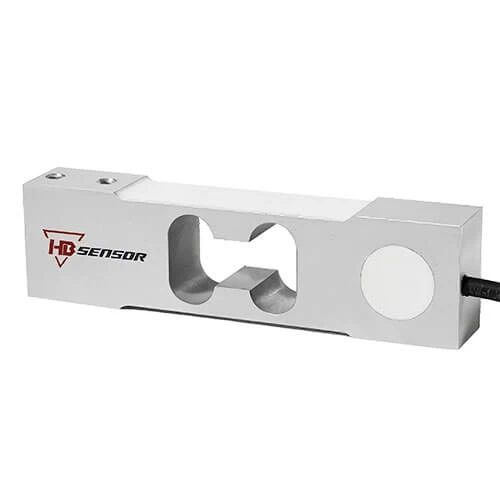
A 2kg single point load cell provides excellent resistance to off-center loading and can support an entire weighing platform as a single sensing element. It is commonly used in small platform scales, including kitchen scales, baking scales, and counting scales. Its simple installation and compact design make it an economical choice for high-volume scale production.

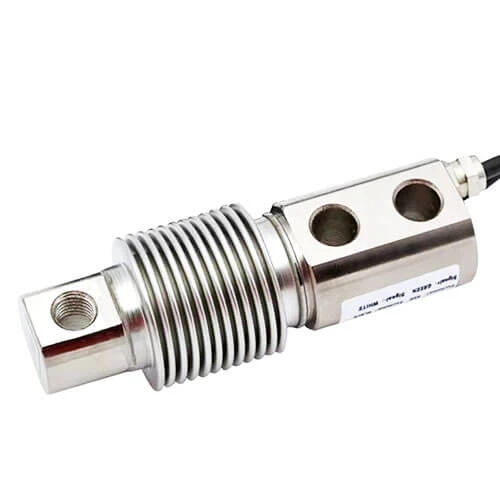
When installation space is limited, a 2kg bending beam load cell is a practical choice. Its simple structure and compact, low-profile design make it suitable for low-capacity weighing applications, including coffee scales, jewelry scales, and portable electronic scales. It is easy to integrate into space-constrained equipment and can help control costs in high-volume applications.

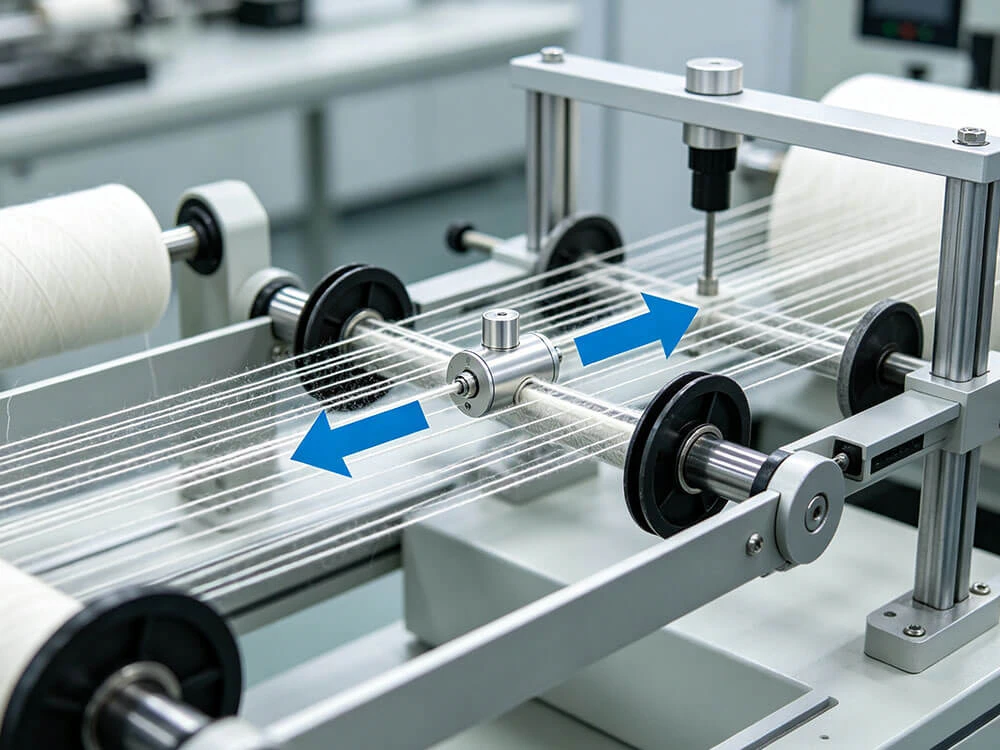
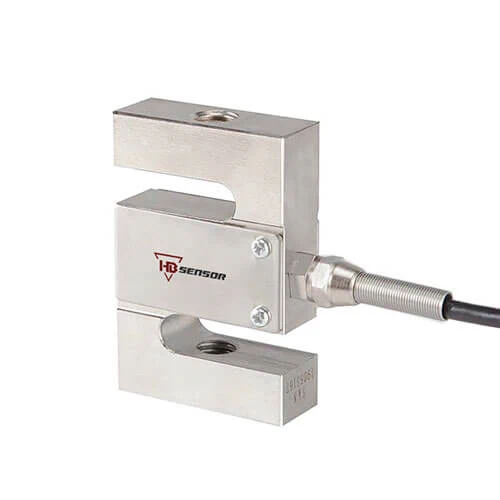
Unlike the previous two types, an S-type load cell measures both tension and compression, making it suitable for bidirectional force measurement. Its S-shaped elastomer and symmetrical design help keep the applied force aligned with the load axis for stable tension and compression measurements. It is particularly well suited for force measurement devices, material testing machines, and textile tension monitoring systems.
Once you’ve selected the right 2kg load cell structure, is it ready to order? Not necessarily. The structure is only the first step in selecting the right load cell. Different structures determine how the sensor is mounted, loaded, and transfers force, while specifications such as accuracy, material, and protection rating can further affect measurement performance, stability, durability, and service life. As a 2kg load cell manufacturer, we offer different specifications and configurations to meet the weighing requirements of various equipment and applications. The following are the main specifications to help you select the right 2kg load cell for your application.
| 参数 | 规格 | 说明 |
| 额定容量 | 2 kg (2000 g) | Suitable for low-capacity weighing applications |
| 精度等级 | C3 | Combined error ≤0.02% R.O. |
| 材料 | 铝合金 | Lightweight construction |
| 布线 | Red: Exc+ / Green: Sig+ / Black: Exc− / White: Sig− | Standard 4-wire configuration |
| 电缆 | ø0.6 mm × 100 mm, 4-core PVC | Standard cable configuration |
| 建议的激励 | ≤6 VDC | Recommended stable DC excitation |
| 绝缘阻抗 | ≥2000 MΩ (50 VDC) | Tested between circuit and load cell body |
| 工作温度 | −10 to +40°C | Suitable for most indoor industrial environments |
| 安全过载 | 150% R.C.简体中文(大陆). | Overload capacity under specified conditions |
The 2kg load cell is an important sensing component used in industrial automation and precision measurement. As demand for low-capacity, high-precision measurement continues to grow in products such as wearable devices, medical infusion pumps, food packaging machinery, and smart consumer scales, the 2kg capacity offers a good balance between measurement resolution and overload protection, making it widely used in a variety of weighing and force measurement equipment.

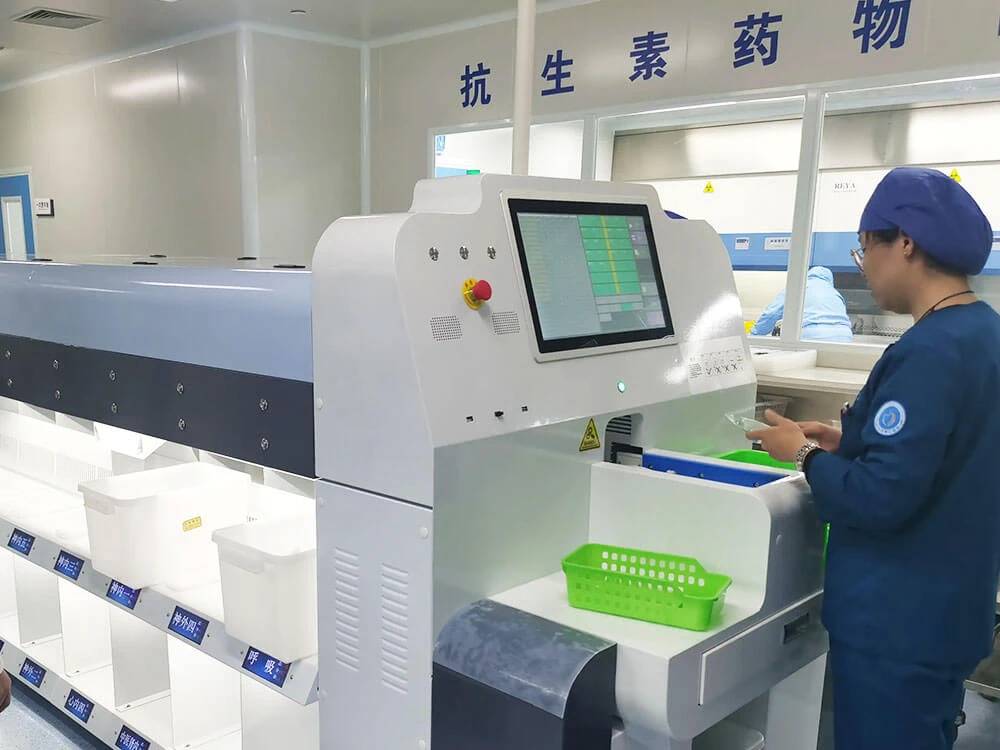
In medical equipment such as infusion pumps, dialysis systems, drug dispensing systems, and rehabilitation devices, accurate and stable weight measurement is essential for reliable operation. Our 2kg load cell delivers high-precision, stable performance during long-term operation, providing healthcare professionals with reliable real-time weight data.

Even a 1-gram or 0.5-gram difference in ingredient weight can affect baking results, especially when measuring ingredients such as yeast. For kitchen scales and small platform scales, a single-point 2kg load cell provides stable, accurate weighing with good resistance to off-center loading.

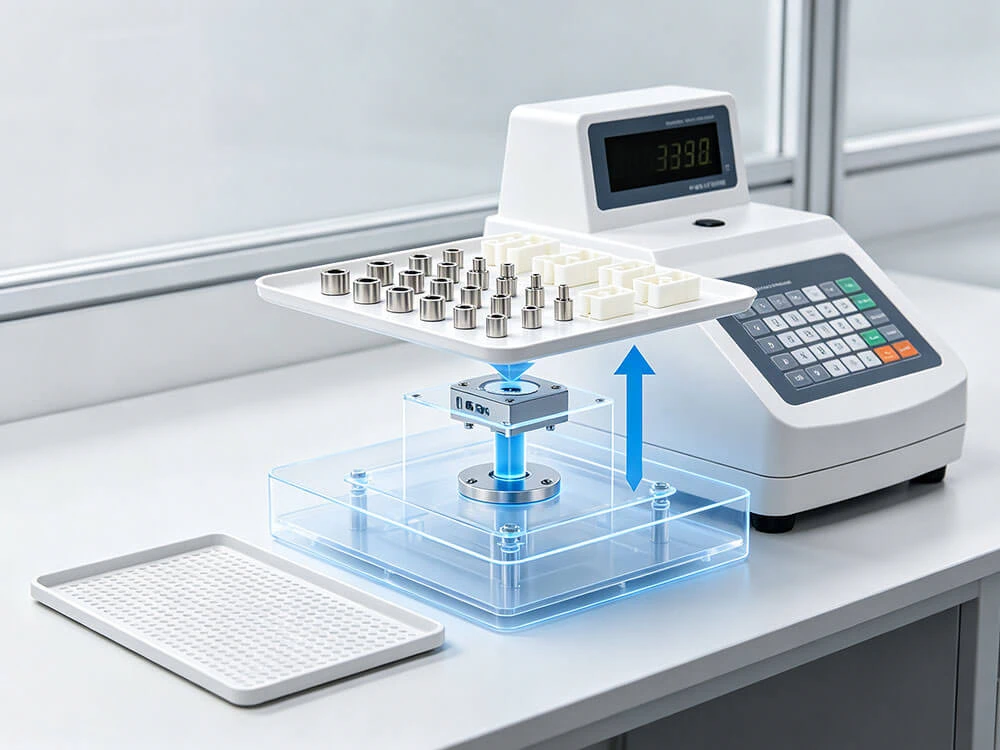
Manually counting small parts and electronic components is time-consuming and error-prone. Our 2kg load cell can be integrated into counting scales to quickly determine part quantities by weight, significantly improving efficiency and accuracy in warehouse inventory and small-parts material management.

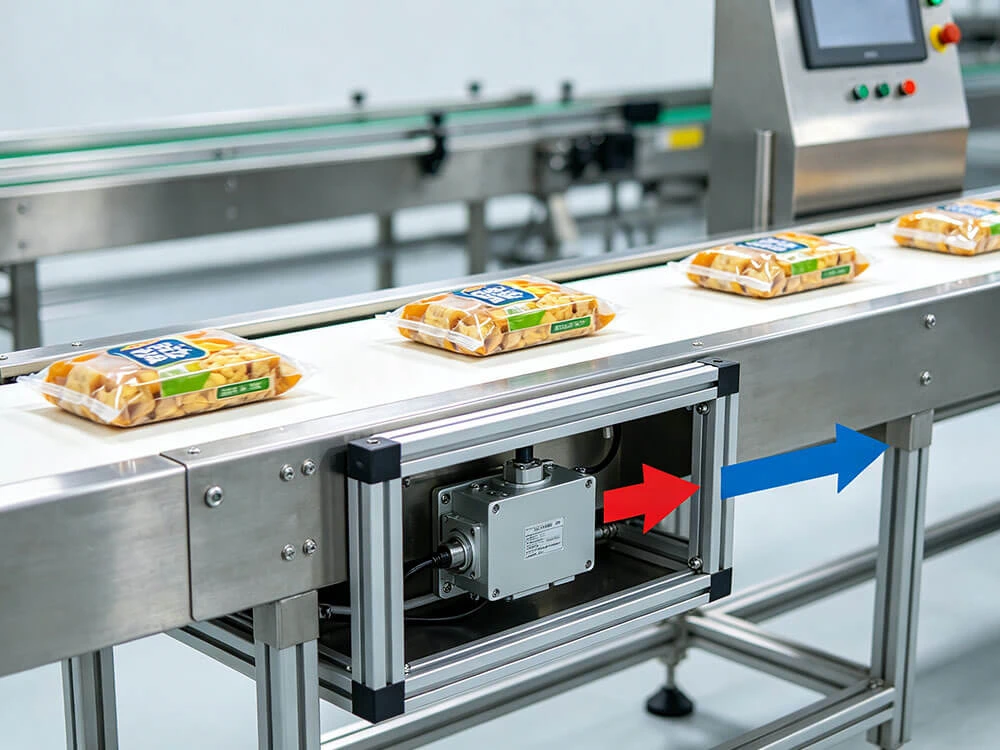
Underweight products may fail to meet specifications, while overweight products can increase material waste and costs. A 2kg capacity is well suited for lightweight products requiring precise weight control. It can be used in checkweighers and grading machines for real-time dynamic weighing, helping quickly identify and sort out-of-spec products.

E-commerce and shipping operations require fast and accurate package weighing, as inaccurate weights can lead to billing discrepancies and higher operating costs. The 2kg load cell is suitable for weighing small, lightweight packages, offering fast response and long-term stability. It can be used in postal scales and logistics sorting equipment for efficient and accurate package weighing.

The 2kg load cell is suitable not only for weighing but also for tension measurement. In textile production lines, it can monitor yarn tension in real time through guide rollers, helping prevent breakage caused by excessive tension and fabric quality issues caused by insufficient tension, while providing reliable tension data for production control.
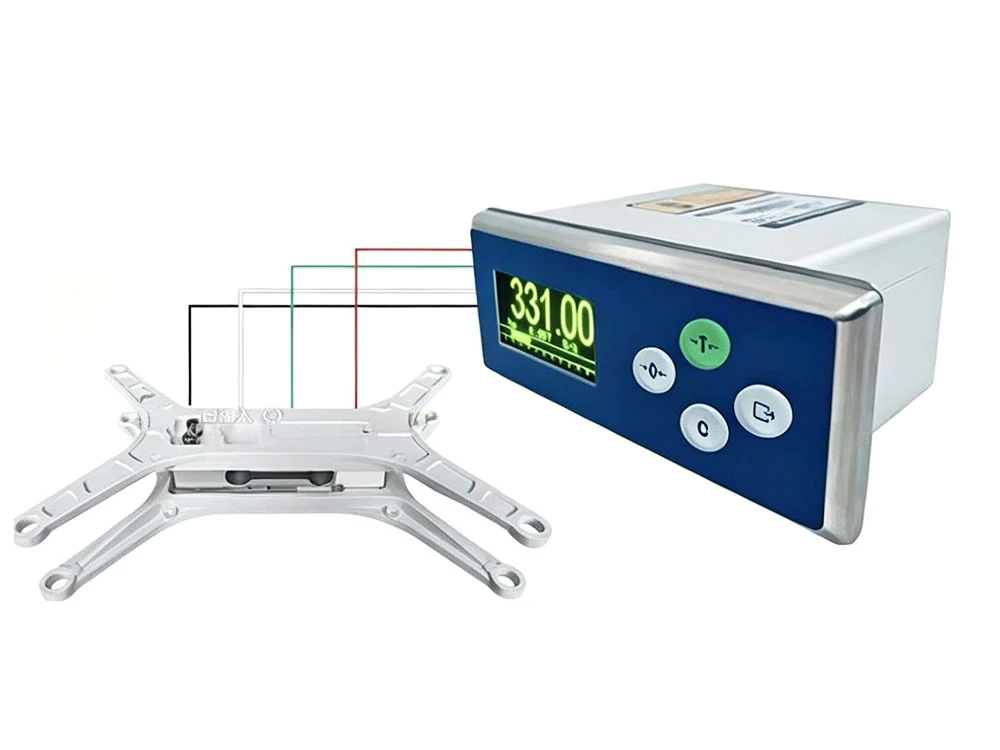
Proper wiring is the first step to ensuring reliable load cell operation. Understanding how a load cell works and how it is wired helps maintain stable signal transmission and prevent abnormal readings or damage caused by incorrect connections. Wiring shows how to connect the sensor, while pinout defines the function of each connection.

A load cell does not actively generate an output signal and requires an external instrument to provide excitation voltage. When the sensor is subjected to a load, the resistance of its internal strain gauges changes, causing the Wheatstone bridge to produce a small output voltage change for reading and processing by an instrument, PLC, or amplifier.
Our 2kg load cell uses a standard 4-wire load cell connection for reliable signal transmission.

With a standard 4-wire connection, our 2kg load cell uses the following 4 wire load cell wiring color code: red for Exc+ (positive excitation), black for Exc− (negative excitation), green for Sig+ (positive signal output), and white for Sig− (negative signal output).
This connection configuration is suitable for weighing instruments and amplifiers compatible with 4-wire Wheatstone bridge load cells. For cable extensions or applications with strong electromagnetic interference, shielded cable is recommended, with the shield connected according to the system grounding scheme.
A larger capacity isn’t always better. Many customers choose a larger range “just to be safe”—only to find that accuracy drops. Here’s why, using 2kg and 5kg as an example.
| 2kg Load Cell | 5kg Load Cell | |
| Operating range at 1kg load | 50% of capacity | 20% of capacity |
| Resolution | Higher (down to 0.1g) | Lower (1g+) |
| 准确性 | Optimal | Noticeably lower in low-load range |
| Overload margin | Smaller | Larger |
| Best for | Stable loads, high precision | Fluctuating loads, shock risk |
Load cells are most accurate near full capacity and less accurate in the low-load range. If the actual load is only 1kg, a 2kg cell operates at 50% of range—near optimal accuracy. A 5kg cell, however, operates at just 20% of range, reducing resolution and increasing measurement error. As a rule of thumb, keep the actual load within 30%–70% of the sensor’s capacity—too large wastes precision, too small risks overload. The 2kg vs 5kg example illustrates a simple principle: keep your sensor in its optimal accuracy zone.
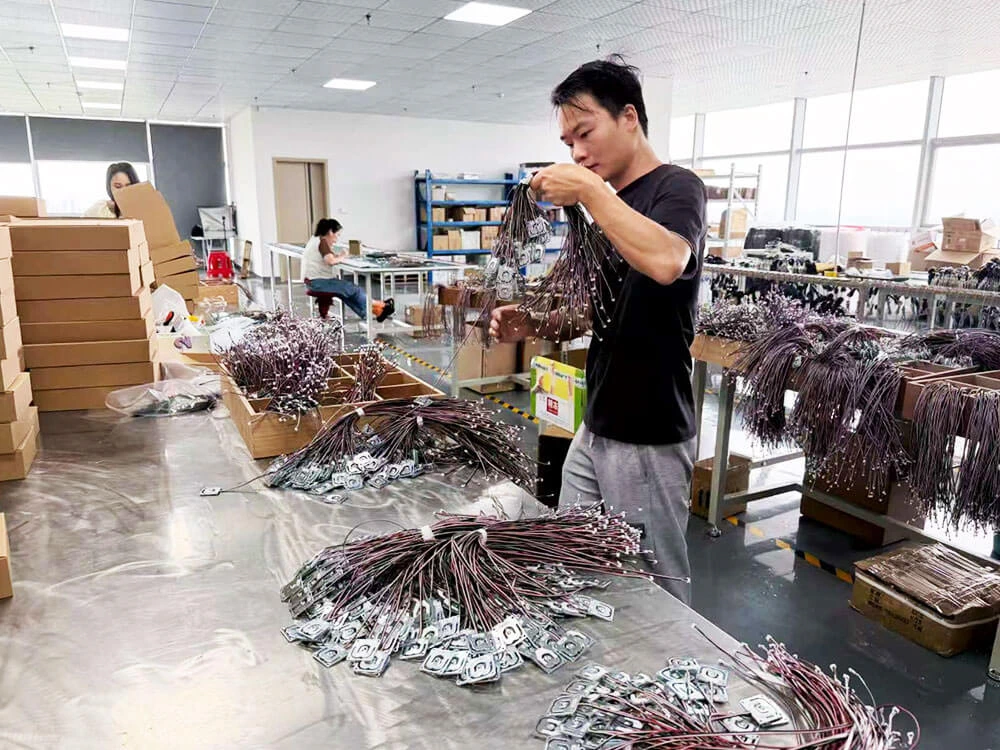
From a metal blank to a stable sensor, manufacturing a 2kg load cell involves multiple precision steps. With full in-house capabilities—from element machining to final calibration—we ensure consistency and reliability across every batch.
Step 1: CNC Machining & Heat Treatment
Precision CNC machining forms the exact load cell dimensions, followed by heat treatment to relieve internal stress and improve stability.
Step 2: Strain Gauge Bonding & Curing
The bonding surface is polished and cleaned, then strain gauges are bonded and cured at a controlled temperature.
Step 3: Wiring & Wheatstone Bridge Assembly
Wires are soldered and the complete Wheatstone bridge is assembled—the core load cell working principle.
Step 4: Compensation & Protection
Temperature compensation and zero-point adjustment ensure stable load cell output voltage, followed by a protective coating for moisture and dust resistance.
Step 5: Calibration
The load cell is calibrated with standard weights to verify 2kg capacity weighing accuracy and load cell accuracy.
Step 6: Final Inspection & Packaging
Each sensor undergoes final inspection and packaging before shipment. As a professional load cell supplier, we also offer low cost load cell solutions without compromising quality.
Standard 2kg load cells can meet the requirements of many conventional weighing applications. However, equipment with limited installation space, special dimensions, or specific environmental requirements may require a customized solution. We provide flexible customization in dimensions, materials, output and signal conditioning, cables, connectors, and other specifications to better match your equipment and application requirements. Below are some examples of our custom load cell projects.

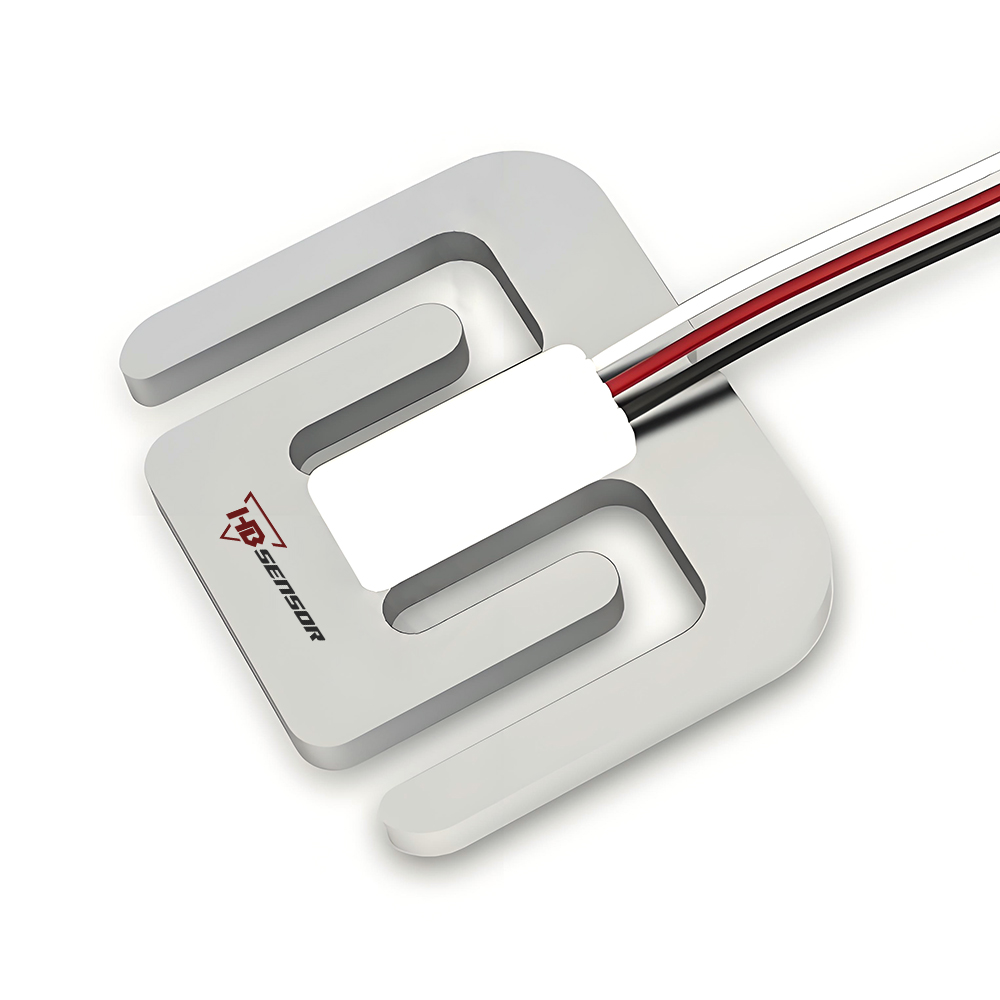
A 2kg miniature half-bridge load cell was customized for an overseas customer and designed for use in a pet feeder. Its compact design fits the limited installation space inside the equipment, and the sensors have been supplied in volume.

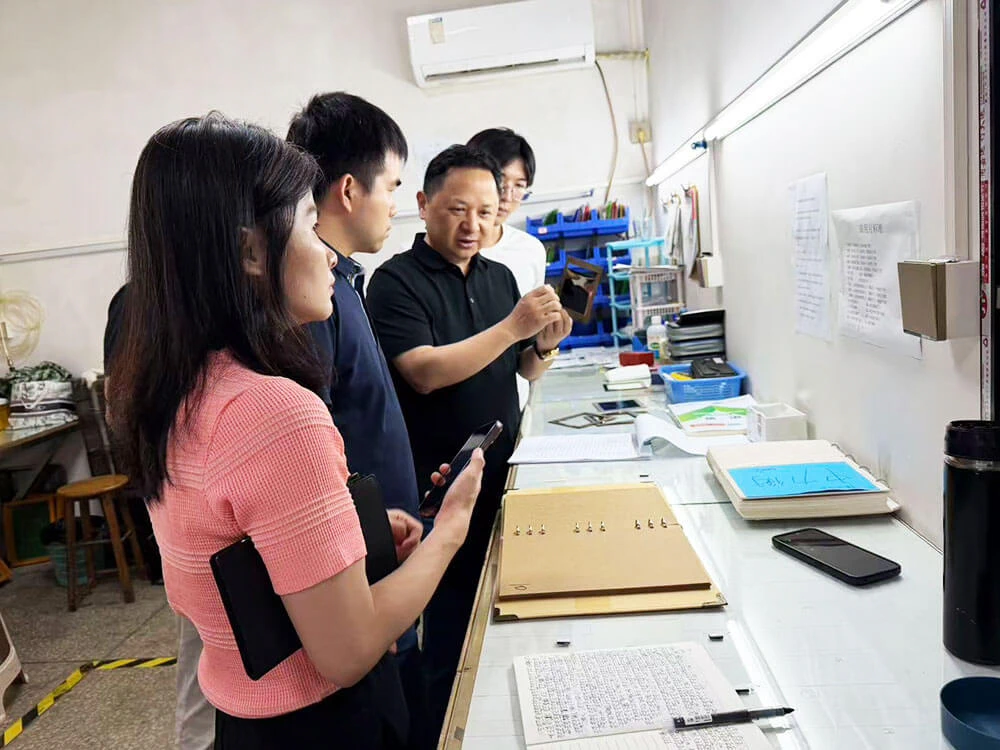
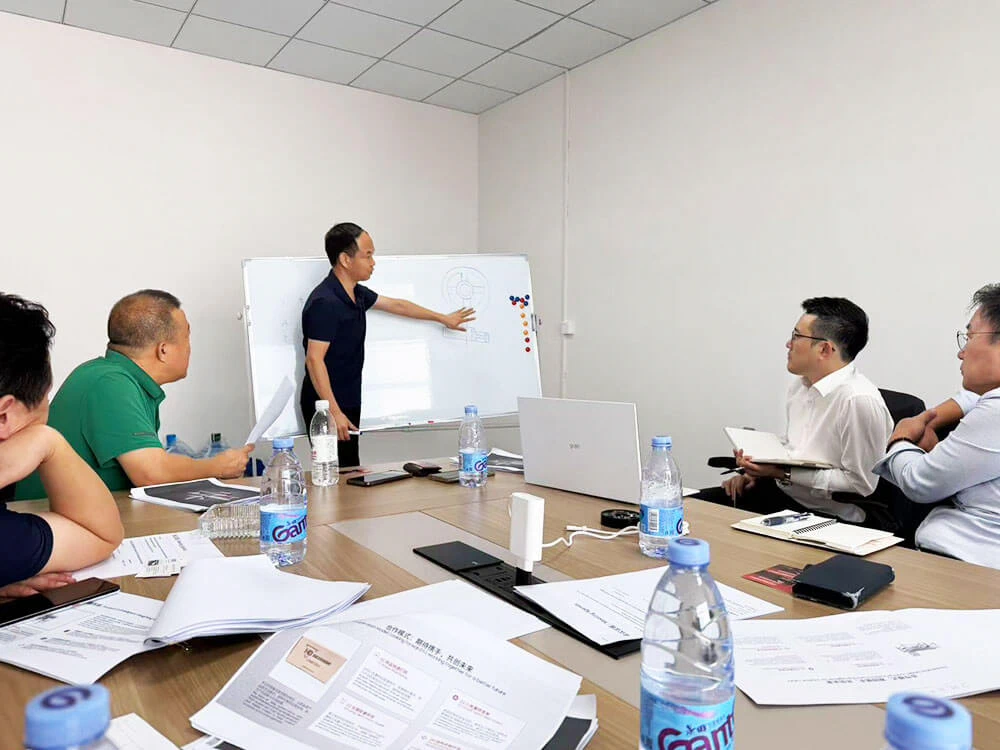
We provided a 2kg miniature load cell for a customer in the smart appliance industry, designed for weight detection and control within the appliance. Xiamen Intretech visited our factory for technical discussions, and cooperation on the project has continued to progress.

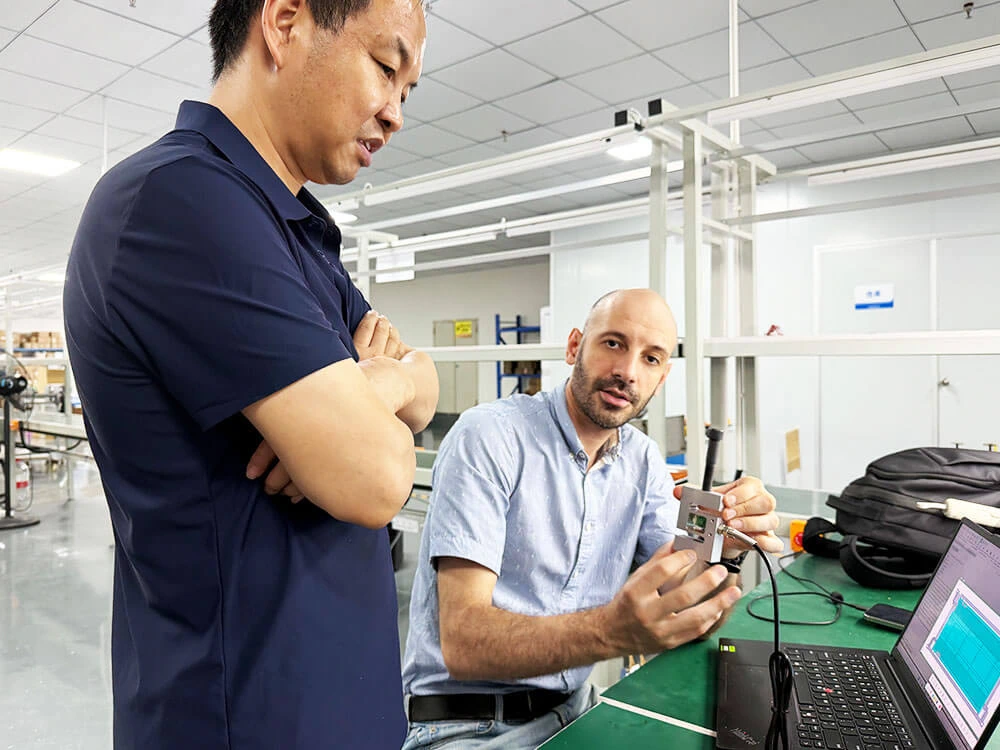
A customer from Morocco visited our factory with a custom requirement for a 2kg S-type tension sensor. The customer provided design drawings on site, and our engineering team developed the sensor structure based on the required loading and installation conditions, ultimately providing a complete customized solution, quotation, and technical recommendations.

A Korean customer team visited our factory and expressed interest in torque-joint load cells, custom force-measurement load cells, and custom strain-gauge sensors. The team particularly valued our in-house capabilities, from strain gauge production to elastomer machining. The two sides held in-depth discussions on future custom load cell projects, and cooperation is currently progressing.
Although a 2kg load cell is designed for relatively low-capacity weighing, it is widely used in medical equipment, kitchen scales, counting scales, checkweighing systems, logistics scales, and textile tension monitoring. Choosing the right structure, accuracy, material, and specifications helps ensure stable and reliable measurement performance. As a 2kg load cell manufacturer and supplier, we offer standard and customized products. Contact us to learn more.
您可以获得该型号的价格,也可以向我们提出任何问题,了解您想知道的任何信息,我们将尽快给您答复。